Tell us about the job
Takes about a minute. No obligation.
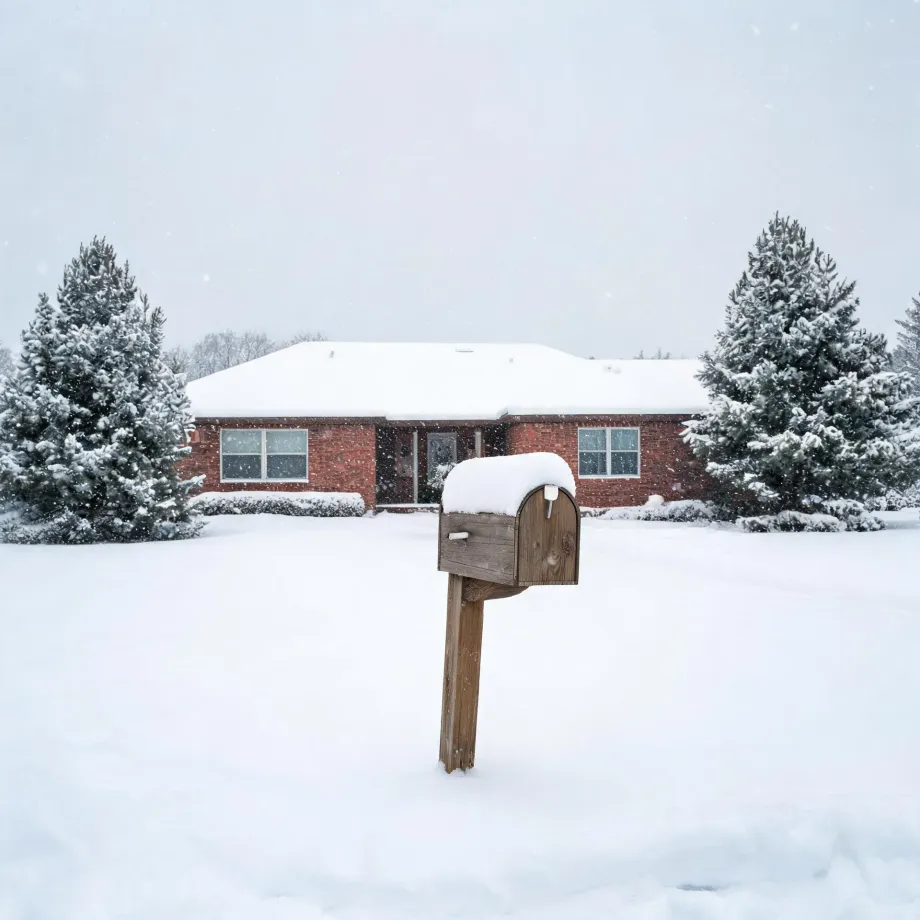
Sizing a heat pump for Randolph County means working out what the system can actually deliver on a hard February morning, not just what it can deliver at moderate temperatures. Homes in Randolph County, MO run heat about seven months a year, from October through April. A heat pump loses capacity as the outdoor temperature falls, so a contractor has to establish the design temperature for this area and check whether the unit holds adequate output there, or whether back-up heat is required to cover the gap. Ductwork condition and the service panel both factor into that answer before a quote is final.
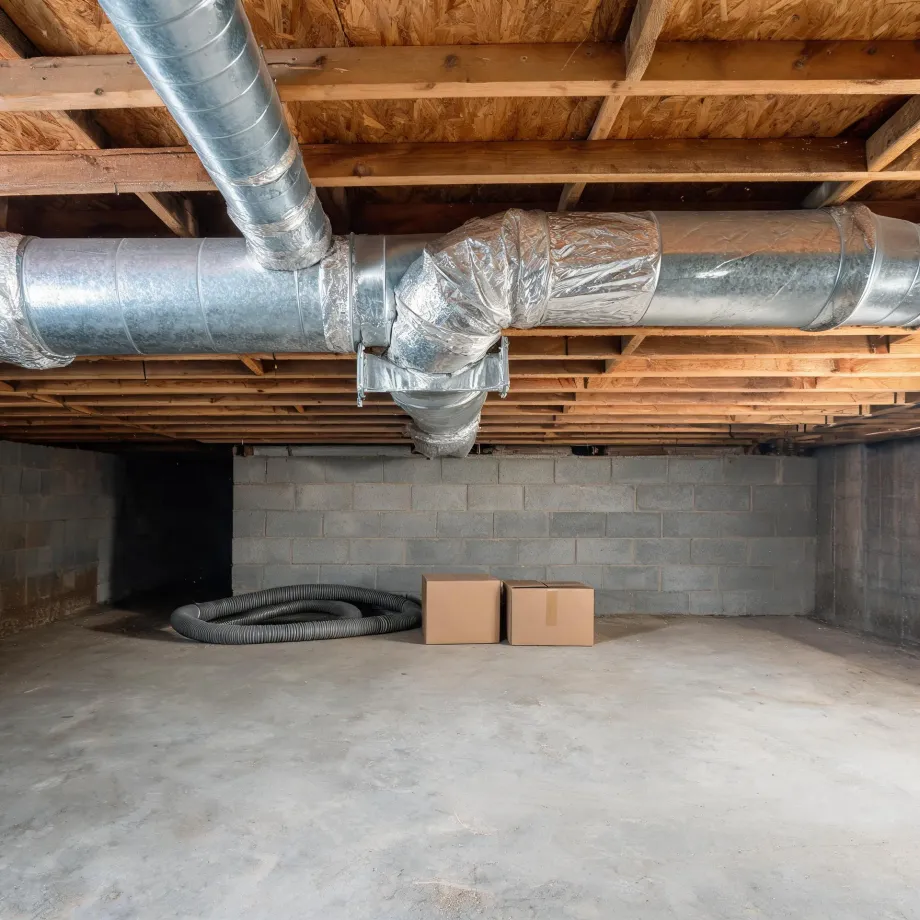
Ductwork sized and routed for an older forced-air system does not automatically carry what a heat pump requires. Half the homes in Randolph County, Missouri were built in 1974 or earlier (2020-2024 ACS 5-year). That spread across the housing stock means a contractor quoting a heat pump installation has to assess what the existing ducts can actually deliver before the equipment choice becomes meaningful. Return air capacity, trunk sizing, and how the original layout distributes air through the house are what that assessment turns on. The unit itself gets specified after.
What a Heat Pump Installation Covers
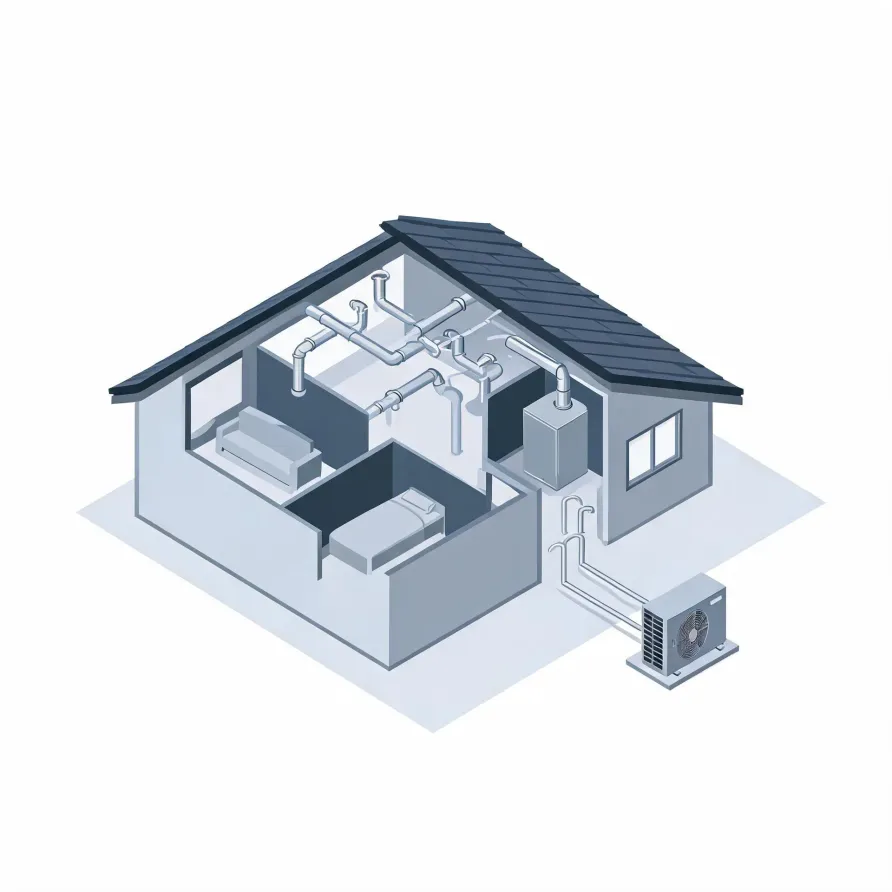
The outdoor unit is the piece most homeowners see first. It sits on a pad beside the house and holds the compressor and the outdoor coil, which together handle the exchange of heat between the refrigerant and the outside air. An indoor air handler or coil unit pairs with it, mounted in a closet, attic, or utility space, and moves conditioned air into the home.
A refrigerant line set runs between the two units, carrying refrigerant back and forth through insulated copper tubing. A thermostat on an interior wall ties the whole system together, giving the homeowner control over when and how the equipment runs.
The drawing beside this text shows the general layout of these components, and a licensed contractor determines exactly how each one applies to your house.
Find a contractor in Randolph CountyRandolph County, by the numbers
61 severe weather events were recorded in Randolph County, Missouri between 2015 and 2024.
NOAA National Centers for Environmental Information, Storm Events Database, bulk CSV export, events 2015-01-01 through 2024-12-31.Half the homes in Randolph County, Missouri were built in 1974 or earlier (2020-2024 ACS 5-year).
U.S. Census Bureau, 2020-2024 American Community Survey 5-Year EstimatesRandolph County, Missouri holds 10,862 housing units (2020-2024 ACS 5-year).
U.S. Census Bureau, 2020-2024 American Community Survey 5-Year EstimatesOwners occupy 71.4% of the occupied homes in Randolph County, Missouri (2020-2024 ACS 5-year).
U.S. Census Bureau, 2020-2024 American Community Survey 5-Year EstimatesSevere Weather Events in Randolph County
Weather in this part of Missouri puts real stress on heating and cooling equipment, and that stress shapes what a heat pump here needs to handle over its working life. How hard a system runs, and how well it holds up, is a local question.
61 severe weather events, 2015–2024. Source: NOAA National Centers for Environmental Information, Storm Events Database.