Tell us about the job
Takes about a minute. No obligation.
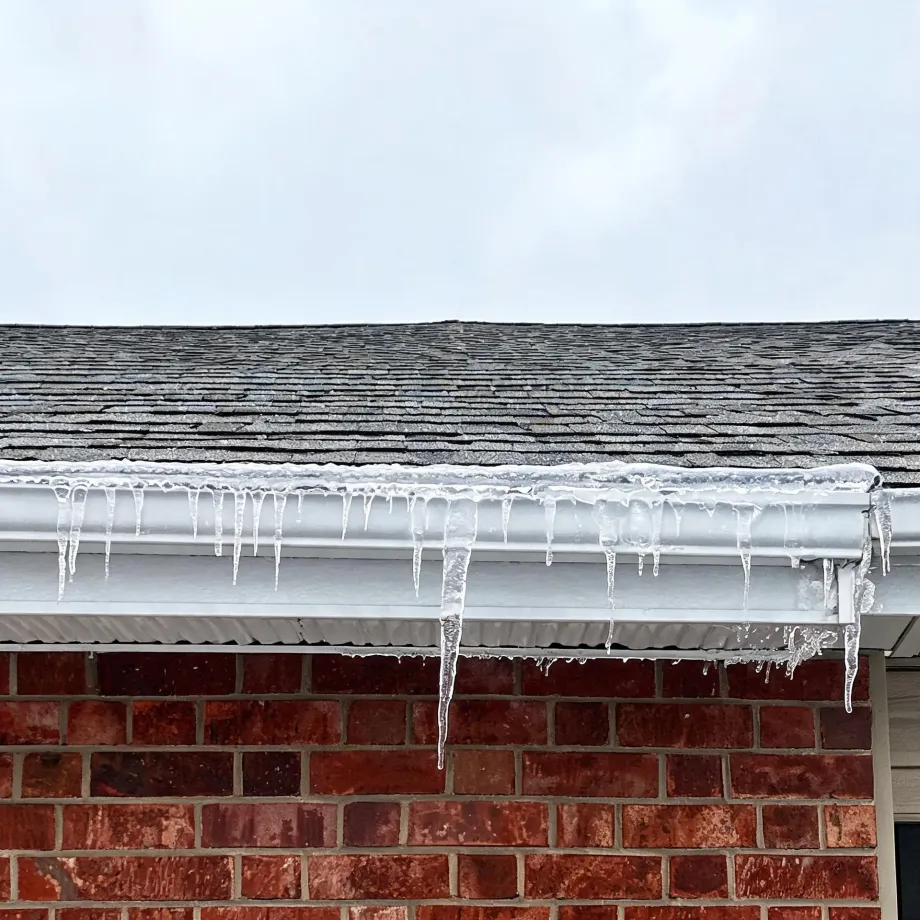
Sizing a heat pump for this county means working out what it can actually deliver when outdoor temperatures bottom out, not what it delivers on a mild October afternoon. Homes in Chariton County, MO run heat about seven months a year, from October through April. A heat pump loses heating capacity as the temperature drops, so a unit that covers the load in November may fall short in January, forcing the electric backup strip to carry the difference. A contractor who skips a proper load calculation before quoting leaves that gap unresolved, and the homeowner pays for it every winter the system runs.
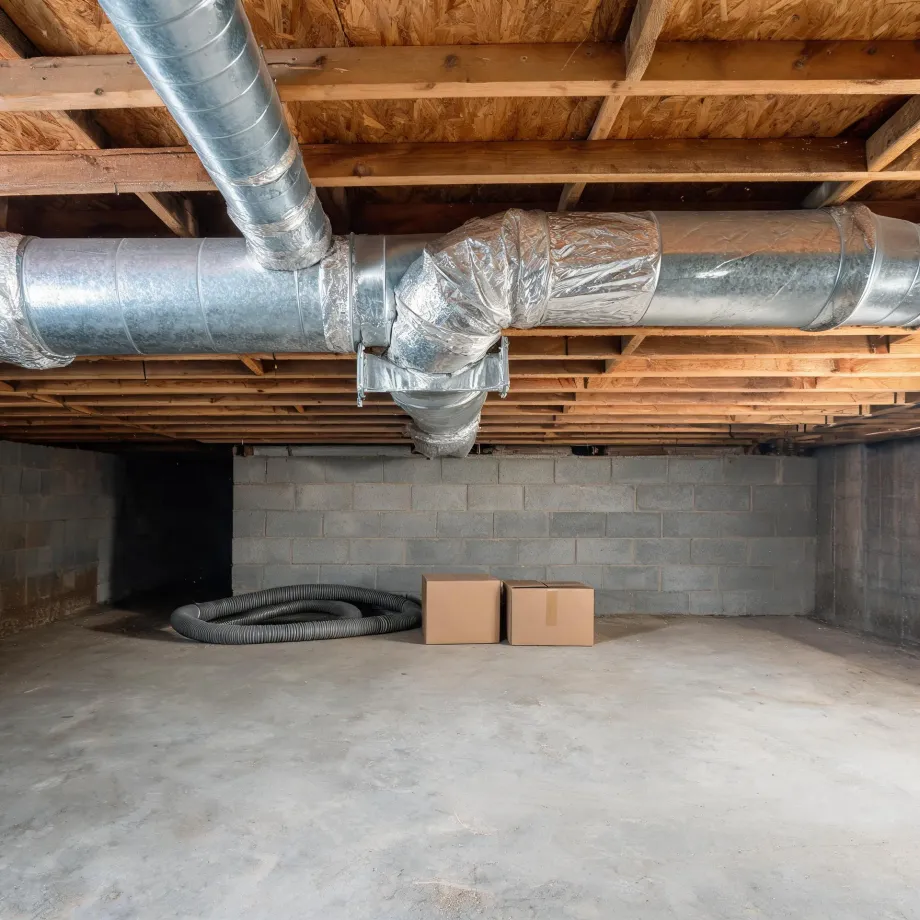
Ductwork laid out for a furnace and window units does not carry a heat pump's air distribution requirements without evaluation. Half the homes in Chariton County, Missouri were built in 1968 or earlier (2020-2024 ACS 5-year). That depth of stock means a contractor sizing a new heat pump here is working out what the ducts already in the house can actually move, and whether the electrical service at the panel will carry the load the new unit draws. Those two questions, answered by inspection, determine the shape and cost of the job before any equipment is ordered.
What a Heat Pump Installation Covers
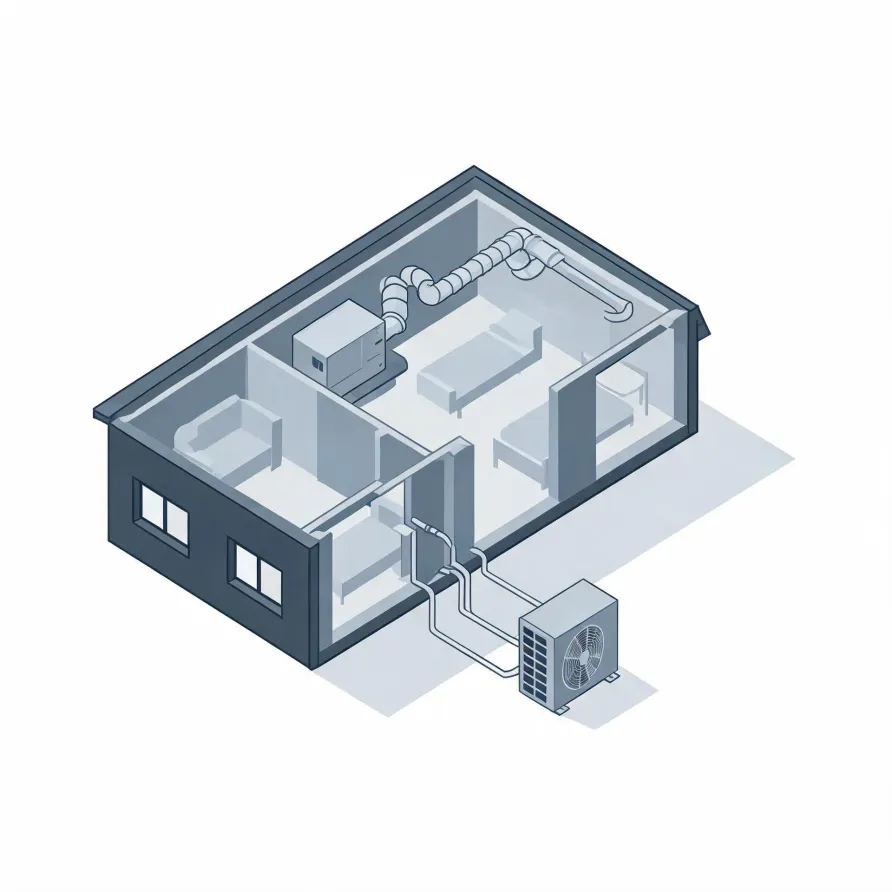
The outdoor unit sits on a pad beside the house and holds the compressor and the coil that exchange heat with the outside air. The indoor air handler mounts in a utility space, basement, or closet and moves conditioned air through the home. These two units are the core of what a contractor installs.
A refrigerant line set runs between the outdoor unit and the air handler, carrying refrigerant through insulated copper tubing that passes through the wall. A condensate drain line runs from the air handler to a nearby drain, and a thermostat mounts on an interior wall to control the whole system.
The drawing beside this text shows how those pieces relate to one another in a typical layout, and a licensed contractor determines exactly how the installation takes shape in your house.
Find a contractor in Chariton CountyChariton County, by the numbers
42 severe weather events were recorded in Chariton County, Missouri between 2015 and 2024.
NOAA National Centers for Environmental Information, Storm Events Database, bulk CSV export, events 2015-01-01 through 2024-12-31.Half the homes in Chariton County, Missouri were built in 1968 or earlier (2020-2024 ACS 5-year).
U.S. Census Bureau, 2020-2024 American Community Survey 5-Year EstimatesChariton County, Missouri holds 3,788 housing units (2020-2024 ACS 5-year).
U.S. Census Bureau, 2020-2024 American Community Survey 5-Year EstimatesOwners occupy 83.5% of the occupied homes in Chariton County, Missouri (2020-2024 ACS 5-year).
U.S. Census Bureau, 2020-2024 American Community Survey 5-Year EstimatesSevere Weather Events in Chariton County
Weather patterns shape how hard heating and cooling equipment works over its lifetime. A heat pump sized and installed for local conditions holds up better than one that wasn't, and Chariton County's weather record is part of that picture.
42 severe weather events, 2015–2024. Source: NOAA National Centers for Environmental Information, Storm Events Database.