Tell us about the job
Takes about a minute. No obligation.
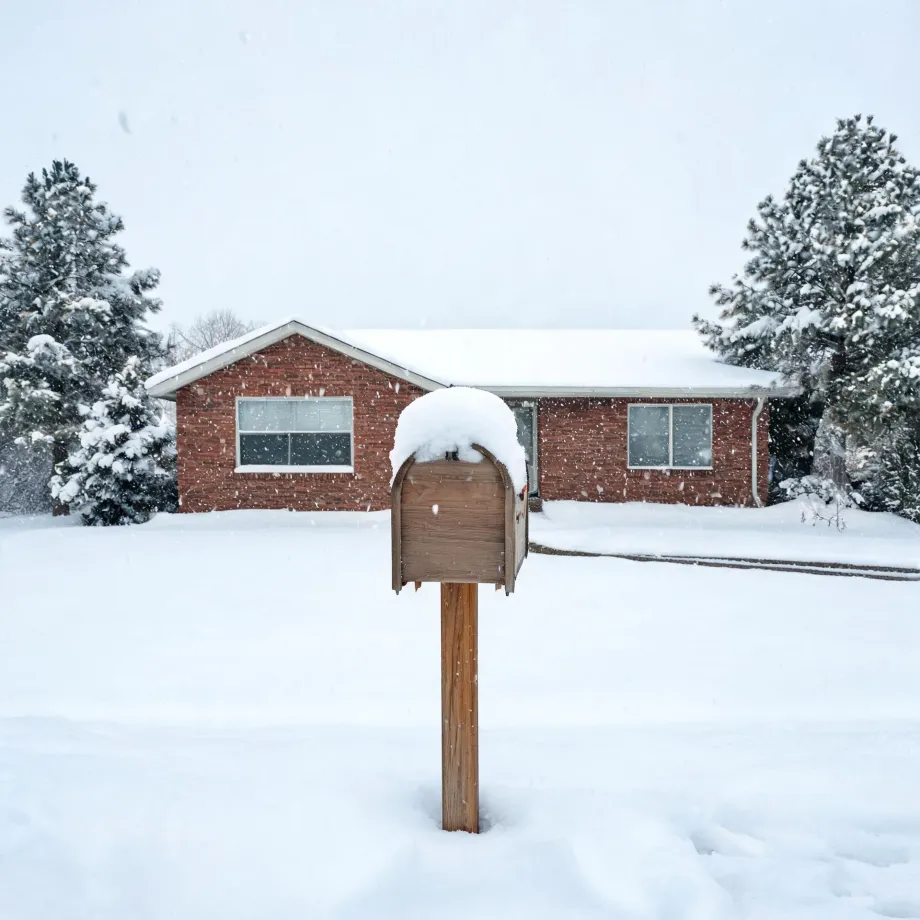
Sizing a heat pump for Monroe County starts with what the heating season actually demands, because capacity drops as outdoor temperatures fall and the equipment has to work hardest exactly when it is coldest. Homes in Monroe County, MO run heat about seven months a year, from October through April. A contractor who skips a proper load calculation leaves the backup resistance elements to carry the slack, and those elements were designed as a supplement, not a primary heat source. The refrigerant circuit, the reversing valve, and the coil all accumulate wear across a heating season this long, so an undersized or poorly commissioned system shows its faults before a well-matched one would.
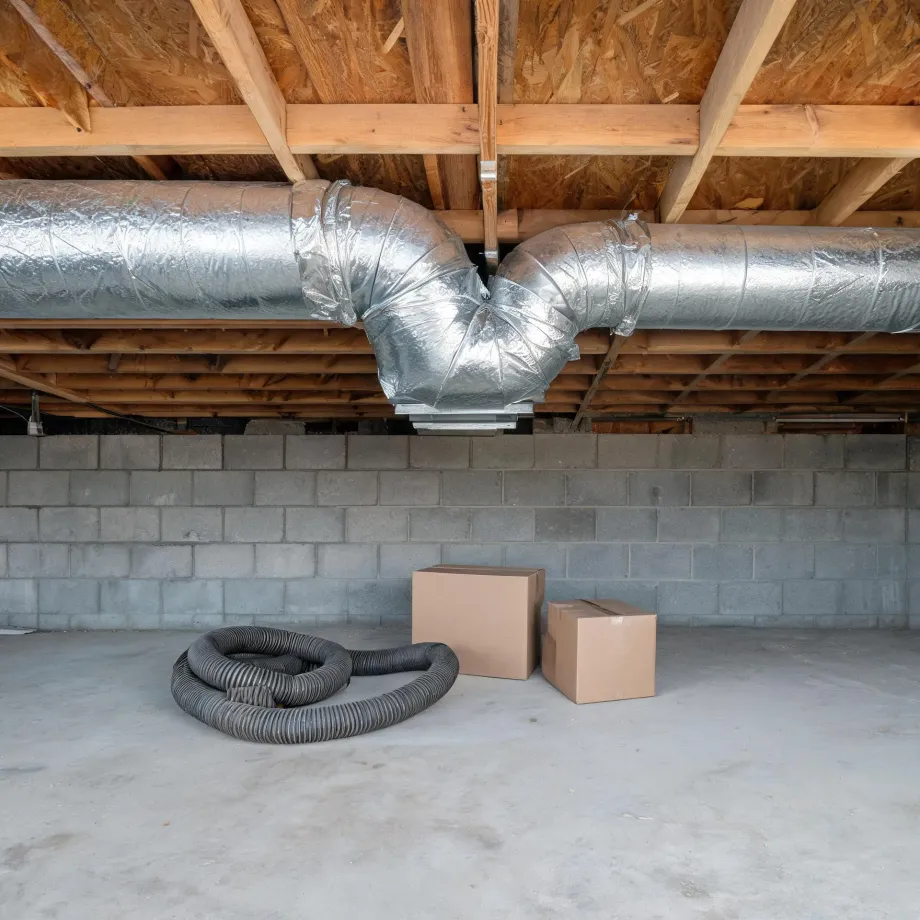
Existing ductwork is what a heat pump installation in Monroe County turns on. Half the homes in Monroe County, Missouri were built in 1976 or earlier (2020-2024 ACS 5-year). That stock was ducted for older systems, and what a contractor finds when they get into the plenum and the branch runs determines whether those passages carry what a new unit needs or have to be reworked first. Electrical service is the second check: a panel sized for a previous generation of equipment may not have the capacity a heat pump draws. The ductwork is the job before the job.
What to Expect From a Heat Pump Installation
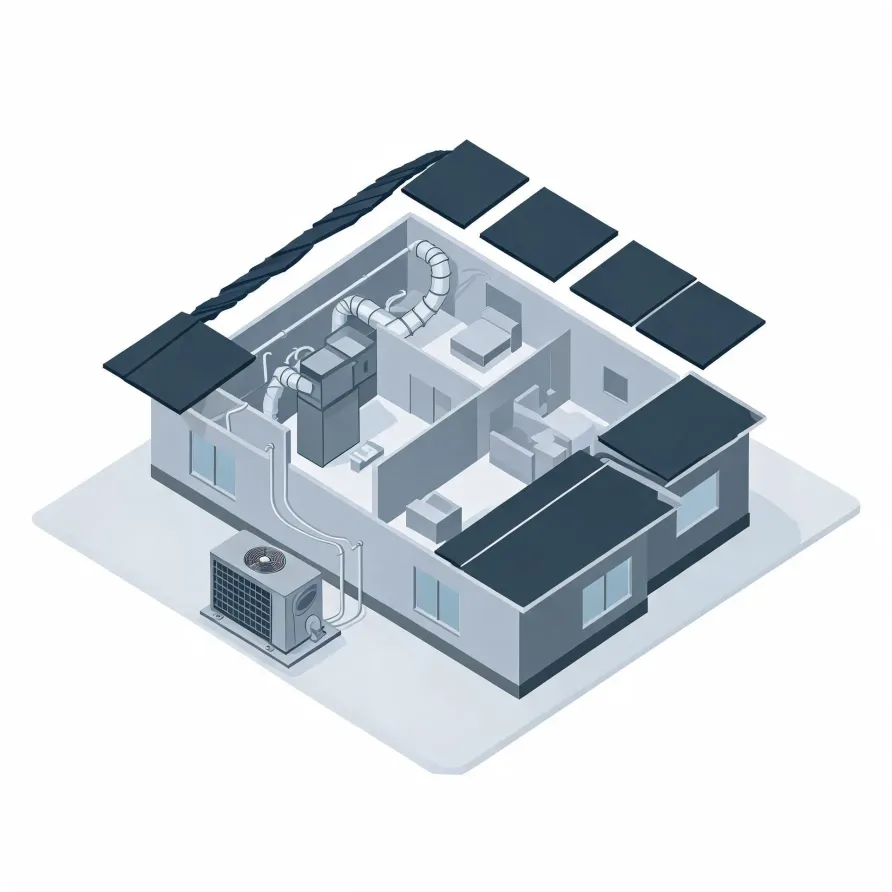
The outdoor unit sits on a concrete pad or wall bracket beside the house and holds the compressor and the main coil. The indoor air handler mounts in a utility space, closet, or attic and moves conditioned air through the home. These two units are the core of what a contractor puts in place.
A refrigerant line set connects the outdoor and indoor units, running through the wall or alongside the house. A thermostat goes on an interior wall where it can read the living space accurately, and a condensate drain line carries moisture from the air handler to a suitable outlet.
The drawing shows a typical layout, and a licensed contractor determines exactly how each piece applies to your house.
Find a contractor in Monroe CountyMonroe County, Missouri, by the numbers
44 severe weather events were recorded in Monroe County, Missouri between 2015 and 2024.
NOAA National Centers for Environmental Information, Storm Events Database, bulk CSV export, events 2015-01-01 through 2024-12-31.Half the homes in Monroe County, Missouri were built in 1976 or earlier (2020-2024 ACS 5-year).
U.S. Census Bureau, 2020-2024 American Community Survey 5-Year EstimatesMonroe County, Missouri holds 4,467 housing units (2020-2024 ACS 5-year).
U.S. Census Bureau, 2020-2024 American Community Survey 5-Year EstimatesOwners occupy 74.3% of the occupied homes in Monroe County, Missouri (2020-2024 ACS 5-year).
U.S. Census Bureau, 2020-2024 American Community Survey 5-Year EstimatesSevere Weather Events in Monroe County
Weather shapes how hard a heat pump has to work, and how often. Understanding the local pattern is part of sizing and installing equipment that holds up over time in this specific place.
44 severe weather events, 2015–2024. Source: NOAA National Centers for Environmental Information, Storm Events Database.