Tell us about the job
Takes about a minute. No obligation.
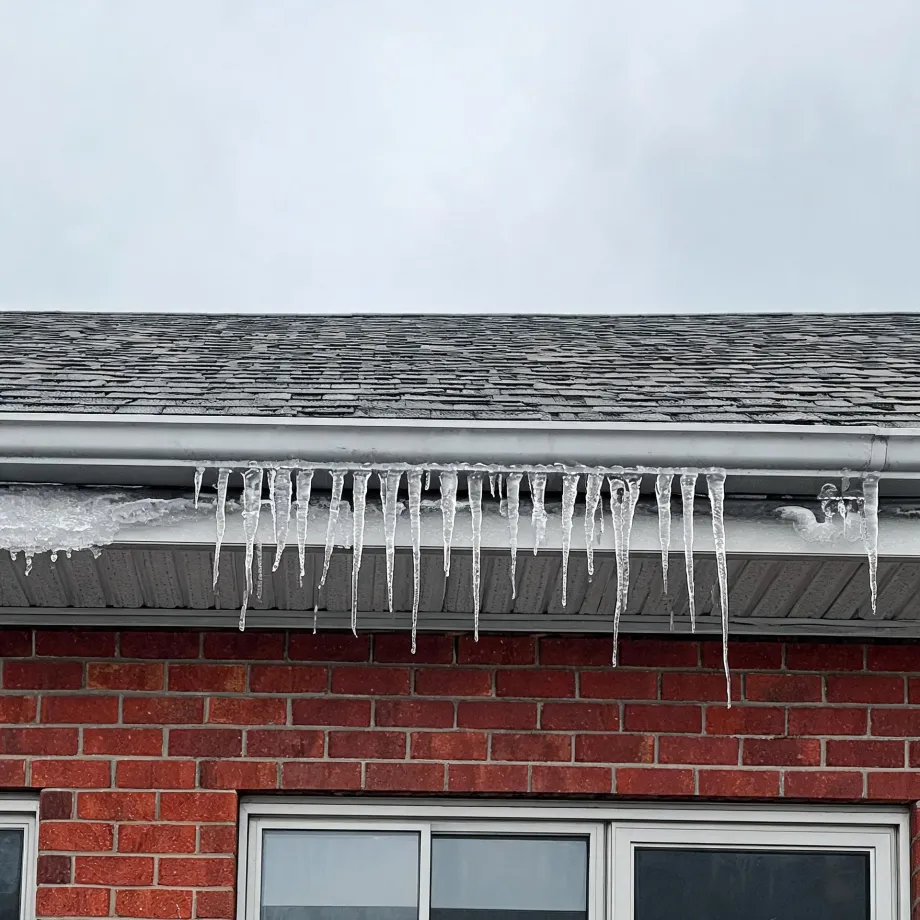
Sizing a heat pump for Franklin County means accounting for what happens when outdoor temperatures drop far enough that the heat pump's capacity falls short and backup heat has to carry the load. Homes in Franklin County, MO run heat about seven months a year, from October through April. A contractor who skips a proper load calculation and installs a unit based on square footage alone leaves the homeowner with a system that leans on electric resistance strips through the coldest weeks, which shortens the life of those elements and raises bills. The refrigerant circuit, the reversing valve, and the defrost controls all accumulate wear across that long heating run, so installation quality and correct sizing matter more here than in places where the heating demand is lighter.
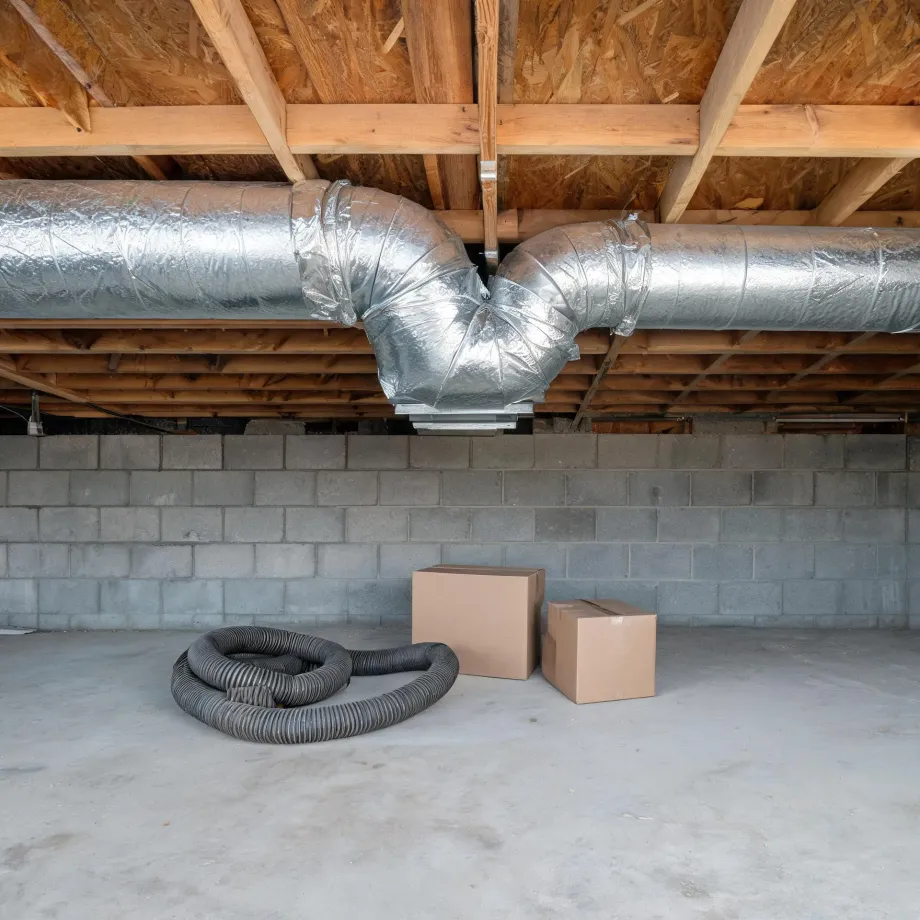
Ductwork in a house this old was designed around whatever system the builder put in, and a heat pump moves air differently enough that the existing runs may not carry the load a new unit needs. Half the homes in Franklin County, Missouri were built in 1984 or earlier (2020-2024 ACS 5-year). That matters most at the quoting stage: a contractor has to open and measure what is already there before the installation scope is fixed, because the duct layout decides whether the job is straightforward or whether sections have to be reworked. Electrical service in houses of this vintage is a separate check, since heat pump draw does not always match what the panel was built to handle.
What a Heat Pump Installation Puts in Your Home
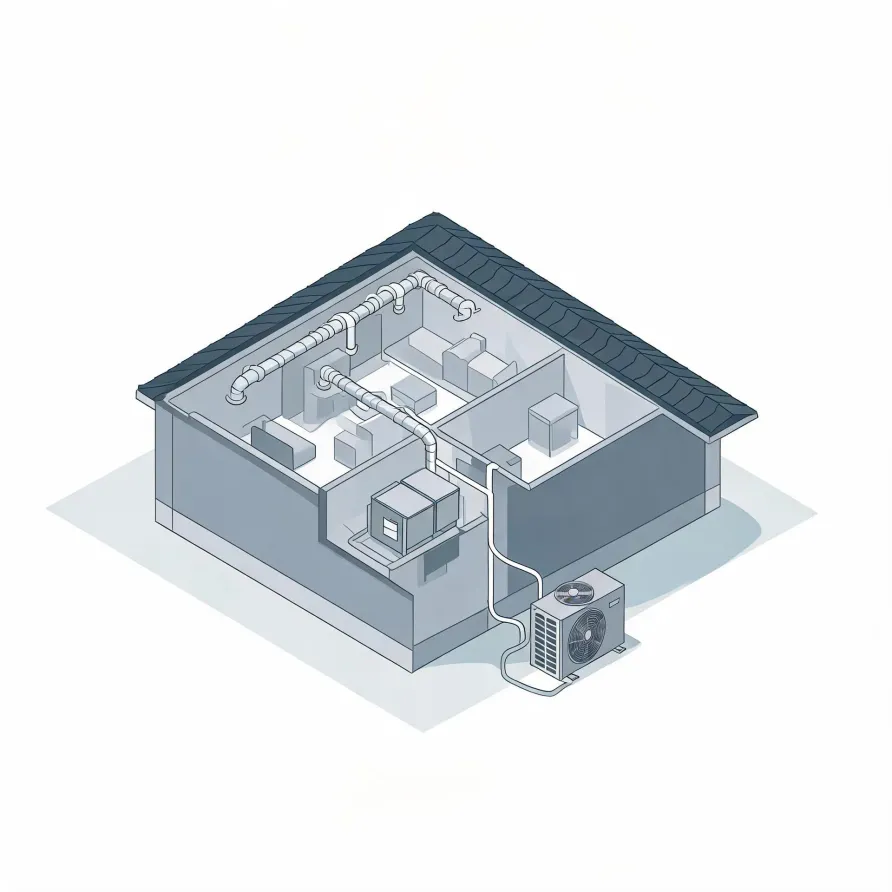
The outdoor unit sits on a pad beside the house and holds the compressor and the main coil. The indoor air handler mounts inside, most often in a closet, utility room, or attic, and pushes conditioned air through the home's supply vents. Together these two pieces are what a contractor is physically placing and connecting.
A refrigerant line set runs between the two units, carrying the working fluid that lets them act as one system. The thermostat goes on an interior wall and gives the homeowner control over the whole setup. A condensate drain line runs from the air handler to carry away the moisture the coil pulls from indoor air.
The drawing shows a typical layout, and a licensed contractor determines exactly what applies to your house.
Find a contractor in Franklin CountyFranklin County, by the numbers
129 severe weather events were recorded in Franklin County, Missouri between 2015 and 2024.
NOAA National Centers for Environmental Information, Storm Events Database, bulk CSV export, events 2015-01-01 through 2024-12-31.Half the homes in Franklin County, Missouri were built in 1984 or earlier (2020-2024 ACS 5-year).
U.S. Census Bureau, 2020-2024 American Community Survey 5-Year EstimatesFranklin County, Missouri holds 46,312 housing units (2020-2024 ACS 5-year).
U.S. Census Bureau, 2020-2024 American Community Survey 5-Year EstimatesOwners occupy 76.5% of the occupied homes in Franklin County, Missouri (2020-2024 ACS 5-year).
U.S. Census Bureau, 2020-2024 American Community Survey 5-Year EstimatesSevere Weather Events in Franklin County
Franklin County's weather puts real demands on heating and cooling equipment, and those demands shape what a heat pump needs to handle over its working life. How often conditions push a system hard is a local fact, and it belongs in any honest look at heat pump installation here.
129 severe weather events, 2015–2024. Source: NOAA National Centers for Environmental Information, Storm Events Database.