Tell us about the job
Takes about a minute. No obligation.
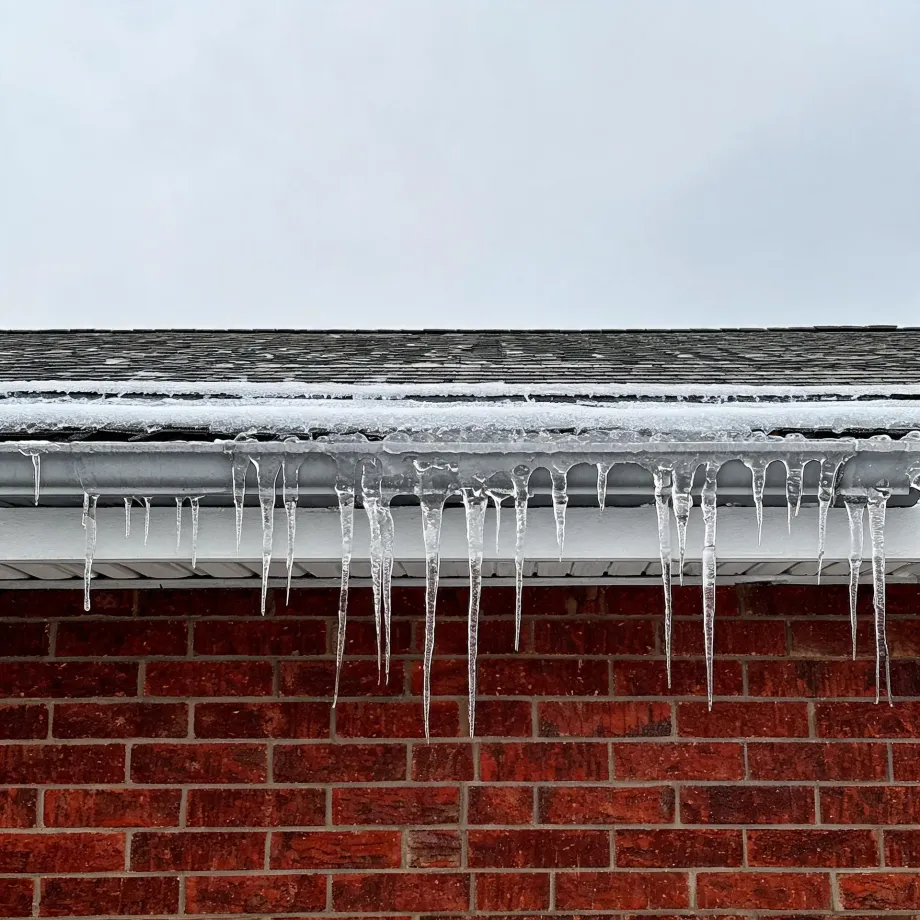
What a contractor has to settle before quoting a heat pump here is whether the system can carry the load on the coldest days of a long heating season, not just the average ones. Homes in St. Charles County, MO run heat about seven months a year, from October through April. Heat pump capacity drops as outdoor temperatures fall, so a unit that tests fine in October may run short in January, leaving the backup heat source to cover the difference. A contractor who skips a proper load calculation and picks equipment by house size alone sets up that shortfall from day one. Getting the sizing right is the install.
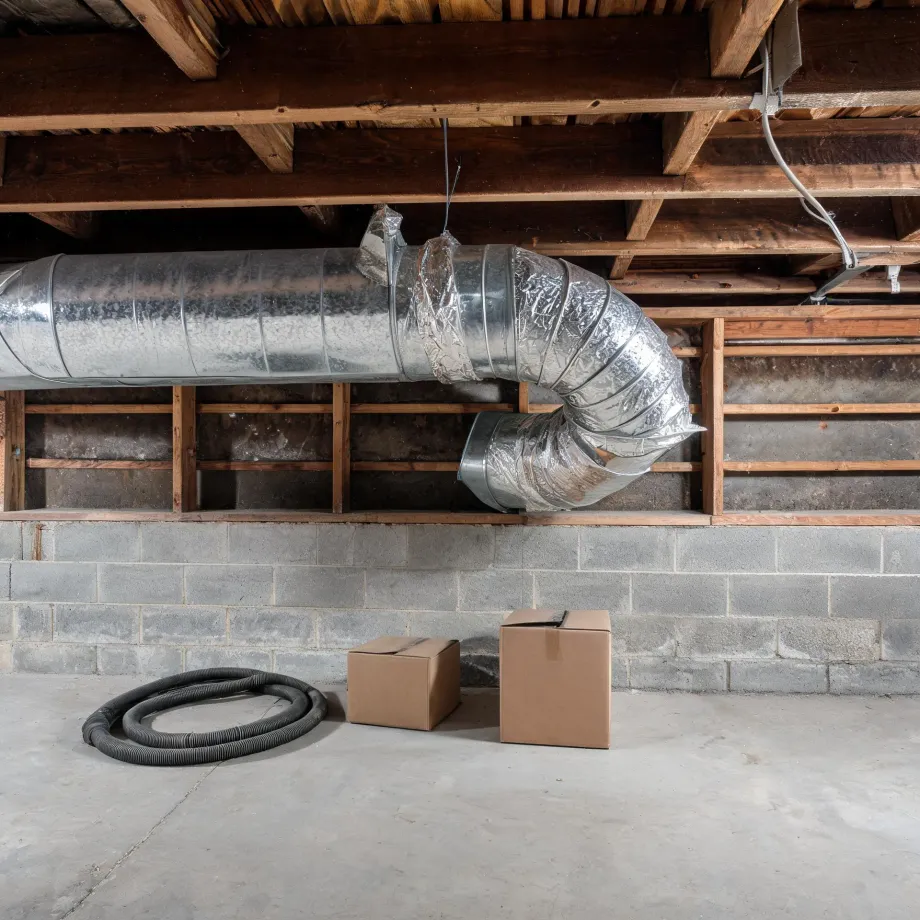
Ductwork and electrical panels in houses of this vintage were built around what was running then, not what runs now. Half the homes in St. Charles County, Missouri were built in 1994 or earlier (2020-2024 ACS 5-year). A heat pump draws more current than most of what that era of construction was wired to carry, so a contractor sizing a new system has to pull the panel first and find out what it actually holds before the equipment quote means anything. Ductwork gets the same check: whether it moves enough air for the new unit determines whether it stays or gets pulled.
What a Heat Pump Installation Covers
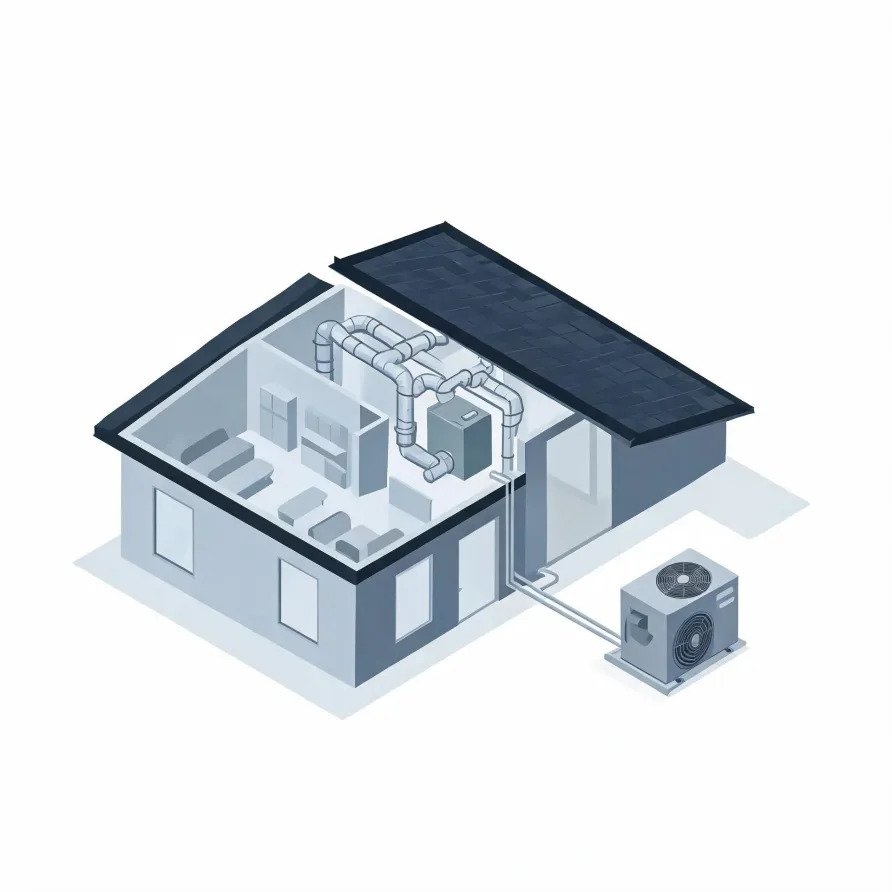
The outdoor unit sits on a pad beside the house and holds the compressor and the outdoor coil, which together do the work of moving heat between inside and outside. The indoor air handler mounts in a closet, attic, or utility space and pushes conditioned air through the home. A thermostat on an interior wall gives the homeowner control over both.
A refrigerant line set runs between the outdoor unit and the air handler, carrying the working fluid that ties the two sides of the system together. An emergency heat strip often mounts inside the air handler as a backup source of warmth when outdoor temperatures fall sharply.
The drawing shows a typical layout, and a licensed contractor determines what applies to your specific house.
Find a contractor in St. Charles CountySt. Charles County, by the numbers
141 severe weather events were recorded in St. Charles County, Missouri between 2015 and 2024.
NOAA National Centers for Environmental Information, Storm Events Database, bulk CSV export, events 2015-01-01 through 2024-12-31.Half the homes in St. Charles County, Missouri were built in 1994 or earlier (2020-2024 ACS 5-year).
U.S. Census Bureau, 2020-2024 American Community Survey 5-Year EstimatesSt. Charles County, Missouri holds 167,163 housing units (2020-2024 ACS 5-year).
U.S. Census Bureau, 2020-2024 American Community Survey 5-Year EstimatesOwners occupy 80.5% of the occupied homes in St. Charles County, Missouri (2020-2024 ACS 5-year).
U.S. Census Bureau, 2020-2024 American Community Survey 5-Year EstimatesSevere Weather Events in St. Charles County
Weather puts measurable stress on heating and cooling equipment, and what the climate does in a given place shapes how hard a heat pump has to work year after year. A chart of recorded severe weather events in this area gives a concrete picture of the conditions a system installed here will face.
141 severe weather events, 2015–2024. Source: NOAA National Centers for Environmental Information, Storm Events Database.