Tell us about the job
Takes about a minute. No obligation.
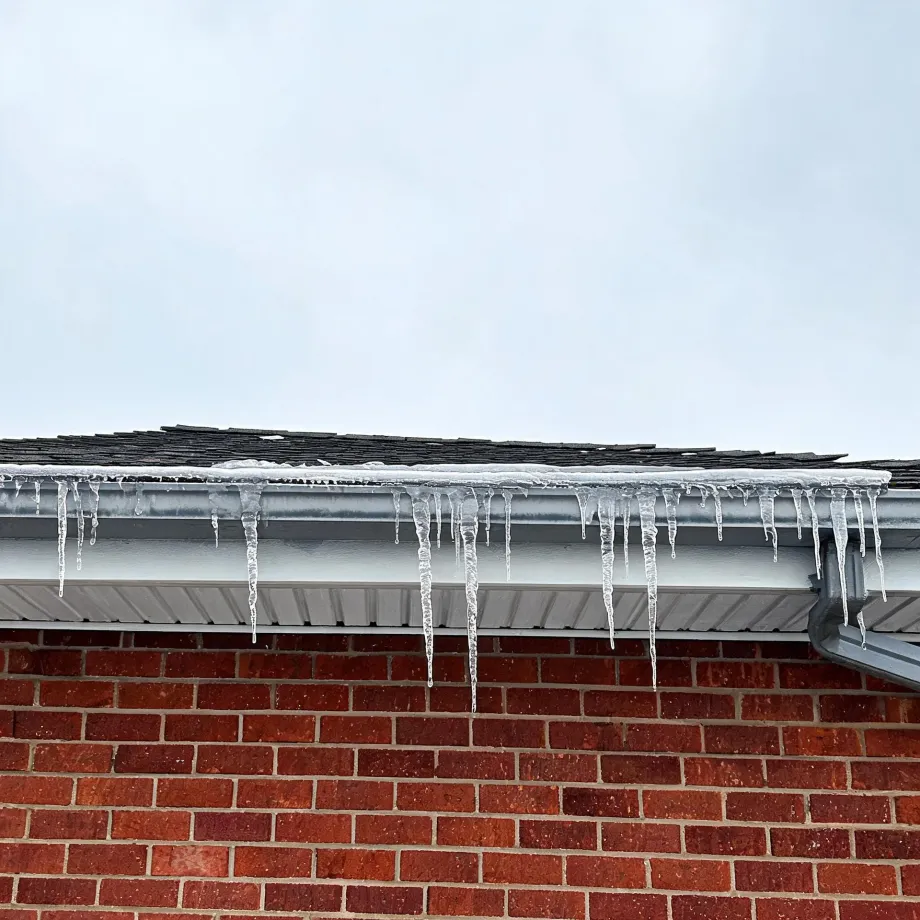
On a heat pump running the heating season this county asks of it, the reversing valve cycles repeatedly through its full range, and the refrigerant circuit holds pressure through cold that pushes the system toward its capacity floor. Homes in Shelby County, MO run heat about seven months a year, from October through April. Contractors diagnosing a heat pump here look at the reversing valve and the refrigerant charge before anything else, because those are the components that absorb the bulk of the load when outdoor temperatures drop and the unit has to work harder to move the same heat. A slow refrigerant leak that might stay hidden in a milder climate will show up as inadequate heating long before spring.
Ductwork that was fitted for one generation of equipment and then pressed into service for another carries the evidence of every change in between: patched joints, rerouted lines, refrigerant fittings that belong to an older standard. Half the homes in Shelby County, Missouri were built in 1971 or earlier (2020-2024 ACS 5-year). That history shows up inside the unit when a contractor opens it for a repair. What they find there decides whether the job is a straightforward part swap or a wider fix that traces the problem back through what feeds the system.
The Parts of a Heat Pump a Contractor Checks First
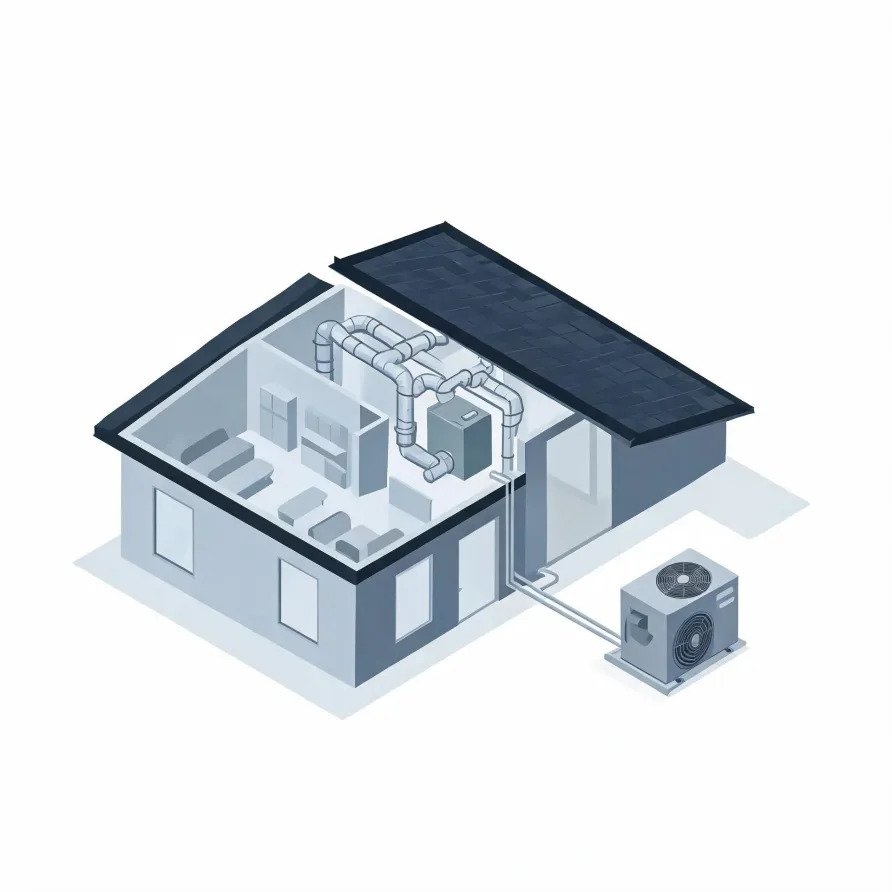
The outdoor unit sits on a pad beside the house and holds the compressor and one of the two coils. The compressor is where most repair calls start. When it labors, runs short cycles, or stops altogether, the whole system follows. The coil beside it is where heat moves in or out depending on the season, and a bent fin or a refrigerant problem here shows up fast in how the system performs.
Inside the house, the air handler hangs in a utility closet, attic, or basement and pushes conditioned air through the home. It holds the second coil and the blower motor, both of which a contractor examines closely when airflow is weak or temperatures are off. The reversing valve, which sits inside the outdoor unit and tells the system which direction to run, is what a contractor checks when the system heats but will not cool, or the other way around.
The drawing shows the general layout of a heat pump system, and a licensed contractor determines what applies to the specific setup in your house.
Find a contractor in Shelby CountyShelby County, by the numbers
41 severe weather events were recorded in Shelby County, Missouri between 2015 and 2024.
NOAA National Centers for Environmental Information, Storm Events Database, bulk CSV export, events 2015-01-01 through 2024-12-31.Half the homes in Shelby County, Missouri were built in 1971 or earlier (2020-2024 ACS 5-year).
U.S. Census Bureau, 2020-2024 American Community Survey 5-Year EstimatesShelby County, Missouri holds 2,950 housing units (2020-2024 ACS 5-year).
U.S. Census Bureau, 2020-2024 American Community Survey 5-Year EstimatesOwners occupy 77.5% of the occupied homes in Shelby County, Missouri (2020-2024 ACS 5-year).
U.S. Census Bureau, 2020-2024 American Community Survey 5-Year EstimatesWeather Stress on HVAC Equipment in Shelby County
Heat pumps work against outdoor conditions every time the temperature swings, and Missouri weather can push that load hard. How often severe weather hits a county shapes how hard local equipment runs and how quickly wear adds up.
41 severe weather events, 2015–2024. Source: NOAA National Centers for Environmental Information, Storm Events Database.