Tell us about the job
Takes about a minute. No obligation.
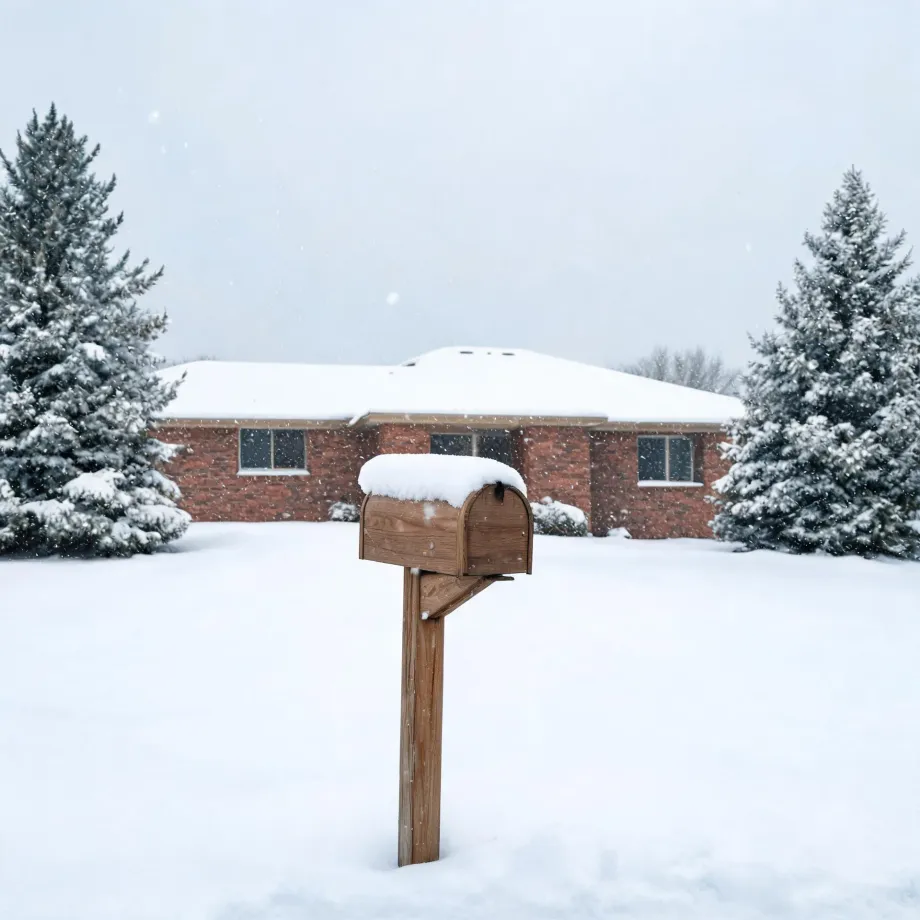
A heat pump here runs its hardest in the cold months, when outdoor temperatures drop and the system has to work harder to pull usable heat from the air. Homes in Marion County, MO run heat about seven months a year, from October through April. That heating load is where compressor wear actually builds. The reversing valve cycles between heating and cooling modes each spring and fall, and repeated cycling over many seasons leaves it the most likely single point of failure a contractor opens to. A refrigerant charge that was adequate at installation can read low after years of that kind of demand, which is why a technician checks pressure before quoting any other repair.
Ductwork installed for one generation of heating equipment and then left to carry whatever came after accumulates its own record of strain on every system connected to it. Half the homes in Marion County, Missouri were built in 1971 or earlier (2020-2024 ACS 5-year). A heat pump running through that original ductwork draws air through joints, bends, and plenums sized for something else, and the wear pattern inside the unit reflects it. When a contractor pulls a heat pump apart to find a fault here, what they find in the coils and the blower often traces back to airflow the duct system never delivered cleanly. The part that failed is rarely the whole story.
The Parts of a Heat Pump a Contractor Checks First
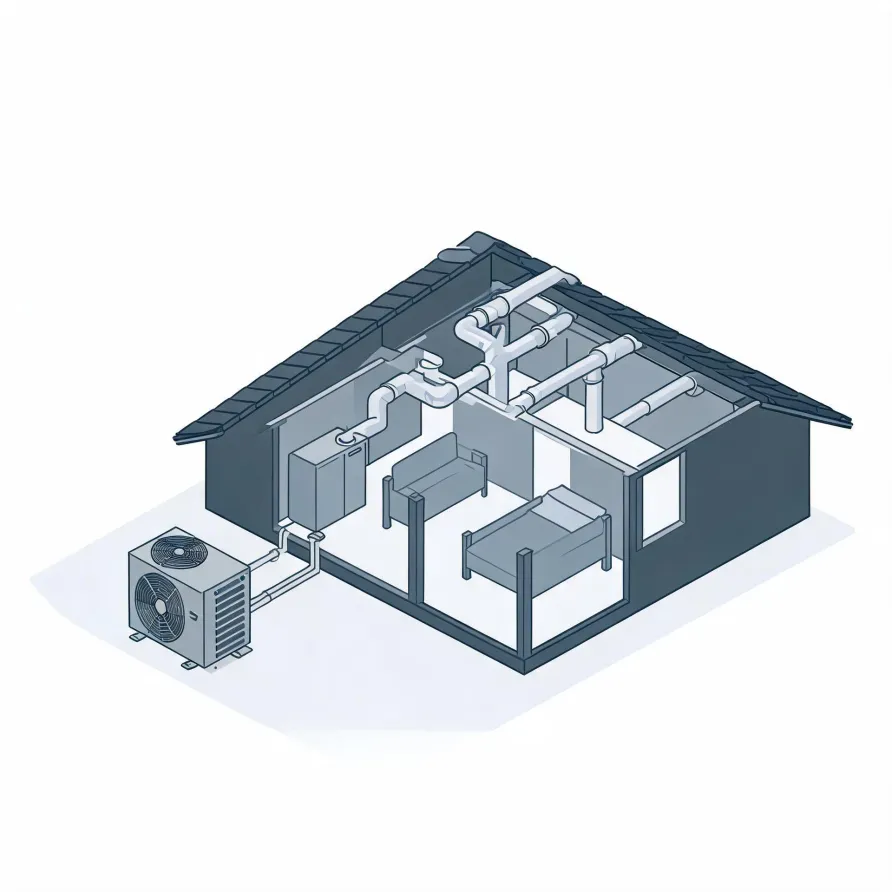
The outdoor unit is usually what a homeowner notices first, sitting on a pad beside the house. It holds the compressor and the outdoor coil, and when either one fails, the system stops moving heat. The compressor is often where a contractor looks first because it carries the heaviest load in the refrigeration cycle.
Inside the house, the air handler contains the indoor coil and the blower fan, which pulls air across the coil and pushes it through the ducts. The refrigerant lines connecting the two units, and the reversing valve inside the system that shifts it between heating and cooling, are also points a contractor checks when the symptom does not point clearly at one component.
The drawing shows a typical heat pump layout, and a licensed contractor determines which parts apply to your specific home and situation.
Find a contractor in Marion CountyMarion County, Missouri, by the numbers
66 severe weather events were recorded in Marion County, Missouri between 2015 and 2024.
NOAA National Centers for Environmental Information, Storm Events Database, bulk CSV export, events 2015-01-01 through 2024-12-31.Half the homes in Marion County, Missouri were built in 1971 or earlier (2020-2024 ACS 5-year).
U.S. Census Bureau, 2020-2024 American Community Survey 5-Year EstimatesMarion County, Missouri holds 12,917 housing units (2020-2024 ACS 5-year).
U.S. Census Bureau, 2020-2024 American Community Survey 5-Year EstimatesOwners occupy 69.3% of the occupied homes in Marion County, Missouri (2020-2024 ACS 5-year).
U.S. Census Bureau, 2020-2024 American Community Survey 5-Year EstimatesSevere Weather Events in Marion County
Weather puts a measurable load on heat pumps. Every swing between extremes is work the equipment absorbs, and that cumulative stress shapes how often repair needs come up in Marion County.
66 severe weather events, 2015–2024. Source: NOAA National Centers for Environmental Information, Storm Events Database.