Tell us about the job
Takes about a minute. No obligation.
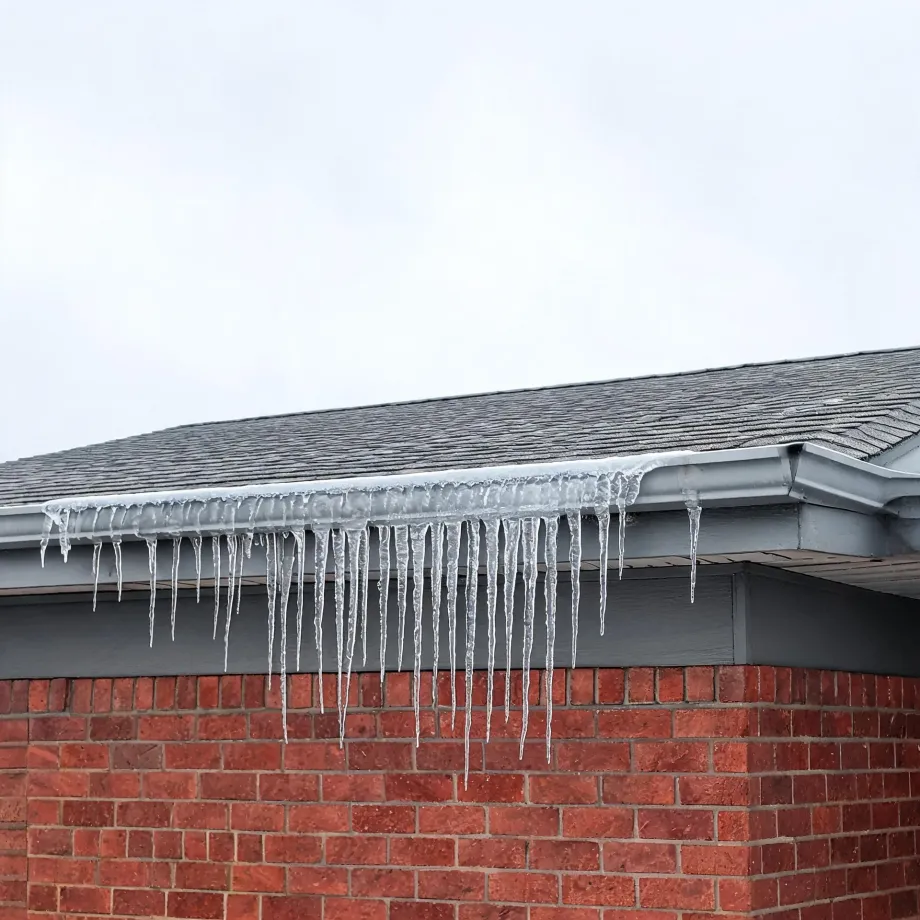
A heat pump running through a cold winter works differently than one cooling a house in summer: as outdoor temperatures fall, the compressor has to work harder to pull usable heat from the air, and the strain accumulates on the parts that cycle most. Homes in Andrew County, MO run heat about seven months a year, from October through April. A contractor diagnosing a heat pump here looks first at the compressor and the reversing valve, because those are the components that bear the load when the system is fighting cold air rather than rejecting warm air. Refrigerant pressure readings taken mid-season tell a contractor more than a visual inspection alone, and a unit that is undersized for this climate shows the gap in its heating output before anything fails outright.
Ductwork laid out for an earlier generation of equipment carries dimensions that shape what a repair job actually requires. Half the homes in Andrew County, Missouri were built in 1980 or earlier (2020-2024 ACS 5-year). A heat pump running in a house like that may be sitting in duct geometry that was adapted rather than designed for it, and a contractor opening the system will check whether restricted airflow is driving the fault before pricing any part. If the ductwork is the constraint, fixing a component without addressing it produces the same call-back.
The Parts of a Heat Pump a Contractor Checks First
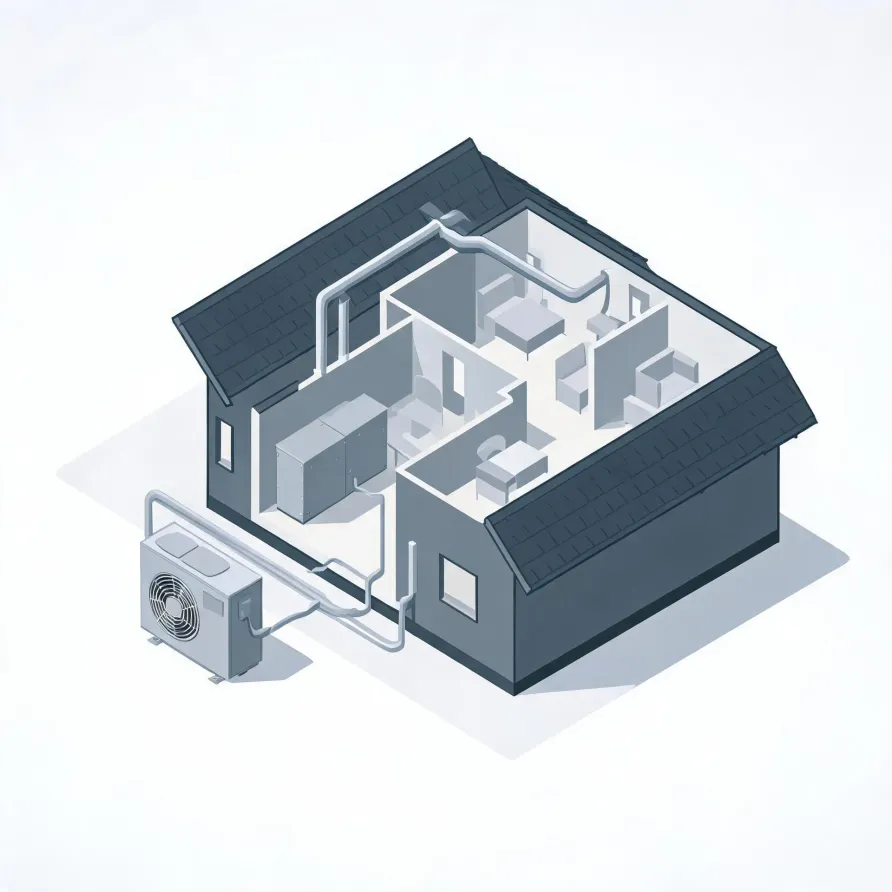
The outdoor unit sits outside the house and holds the compressor and the condenser coil. These are where most faults show up. A refrigerant leak, a failed compressor, or a seized fan motor in that cabinet will stop the whole system from conditioning air. The indoor air handler, mounted inside on a wall or in a utility space, draws air across its coil and moves conditioned air into the home.
The refrigerant lines run between the two units, and the reversing valve inside the system is what lets a heat pump both heat and cool. The thermostat, mounted on an interior wall, is the control point and a common source of faults that look like bigger problems. The contractor checks all of these before any part is replaced.
The drawing shows a typical layout, and a licensed contractor determines what applies to your specific house and equipment.
Find a contractor in Andrew CountyAndrew County, by the numbers
46 severe weather events were recorded in Andrew County, Missouri between 2015 and 2024.
NOAA National Centers for Environmental Information, Storm Events Database, bulk CSV export, events 2015-01-01 through 2024-12-31.Half the homes in Andrew County, Missouri were built in 1980 or earlier (2020-2024 ACS 5-year).
U.S. Census Bureau, 2020-2024 American Community Survey 5-Year EstimatesAndrew County, Missouri holds 7,558 housing units (2020-2024 ACS 5-year).
U.S. Census Bureau, 2020-2024 American Community Survey 5-Year EstimatesOwners occupy 76.7% of the occupied homes in Andrew County, Missouri (2020-2024 ACS 5-year).
U.S. Census Bureau, 2020-2024 American Community Survey 5-Year EstimatesSevere Weather Events in Andrew County
Weather places real mechanical demands on heat pump equipment, and those demands vary by location. What the climate does in Andrew County shapes how hard the system works and what repairs it tends to need.
46 severe weather events, 2015–2024. Source: NOAA National Centers for Environmental Information, Storm Events Database.