Tell us about the job
Takes about a minute. No obligation.
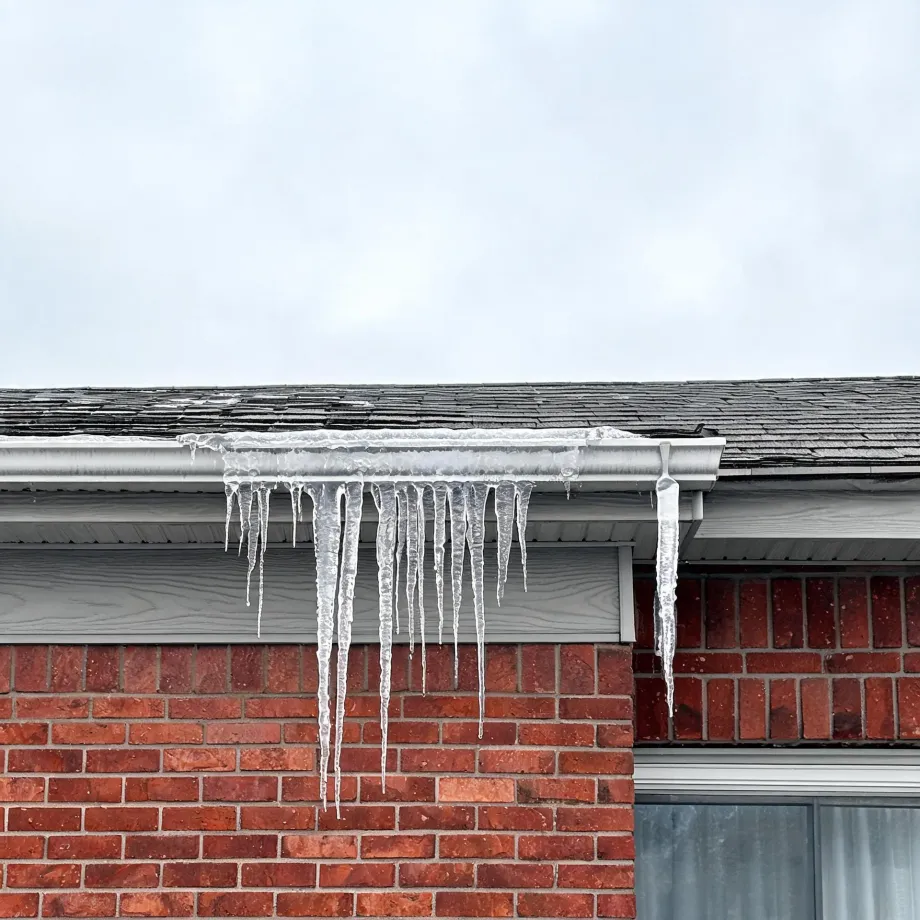
A heat pump in Gentry County is running in heating mode for the bulk of what its compressor knows as a working year. Homes in Gentry County, MO run heat about eight months a year, from October through May. Cold air pulls harder on the refrigerant circuit than mild air does, because the system has to extract heat from less of it, and the compressor cycles more to keep up. By the time a unit fails, the reversing valve has toggled through that load repeatedly, and the compressor has logged the hardest kind of hours a heat pump accumulates. A contractor diagnosing a failure here checks those components first, because they carry the heating season's load directly.
Half the homes in Gentry County, Missouri were built in 1971 or earlier (2020-2024 ACS 5-year). A heat pump sitting in a house that old shares walls and ducts with systems it was never originally paired with. When a contractor opens the unit to find the fault, the ductwork feeding it is where the repair scope often widens: gaps, degraded seals, or geometry sized for a different era of equipment can be driving the failure as much as any component inside the cabinet. The mechanical fix and the duct condition are the same diagnostic question on a house like this.
The Parts of a Heat Pump a Contractor Checks First
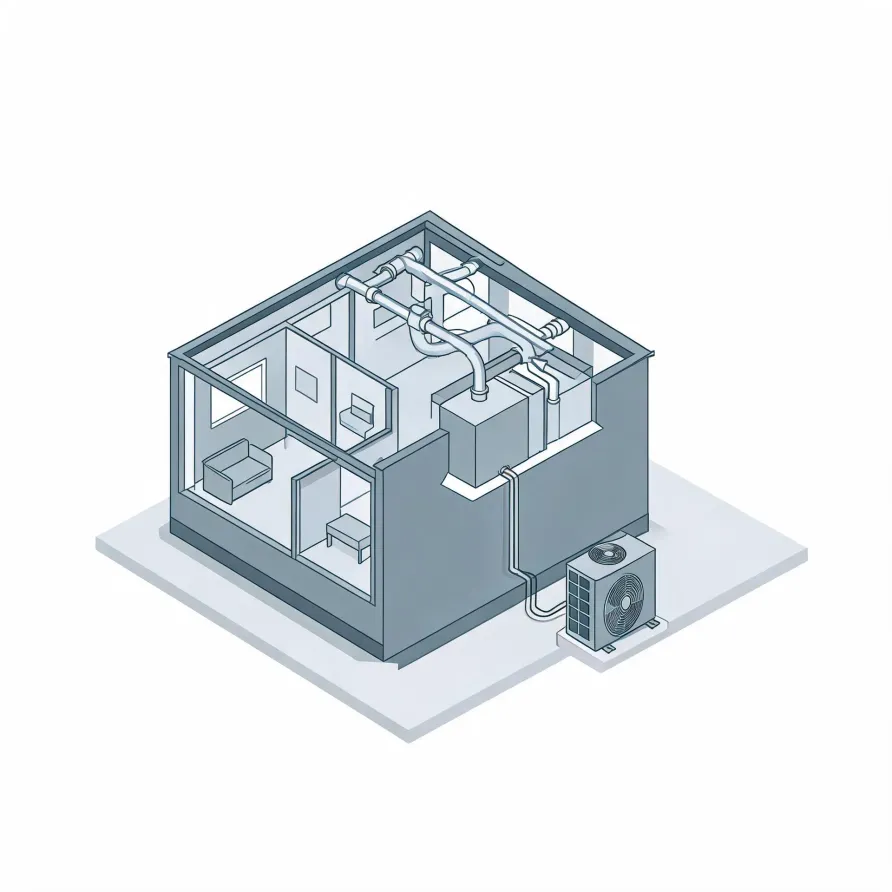
The outdoor unit is what most homeowners see first, and it is where a contractor starts. That cabinet houses the compressor, the refrigerant coil, and the fan. When the system stops heating or cooling properly, or makes a new noise, the compressor and the coil in that outdoor cabinet are early suspects.
Inside the house, the air handler holds a second coil and a blower that moves conditioned air through the home. The reversing valve, which sits near the compressor, is what lets the system shift between heating and cooling modes. A contractor checks both the air handler and that valve when the system runs but delivers the wrong kind of air.
The drawing shows the general layout of a heat pump system, and a licensed contractor determines what applies to your particular house.
Find a contractor in Gentry CountyGentry County by the Numbers
43 severe weather events were recorded in Gentry County, Missouri between 2015 and 2024.
NOAA National Centers for Environmental Information, Storm Events Database, bulk CSV export, events 2015-01-01 through 2024-12-31.Half the homes in Gentry County, Missouri were built in 1971 or earlier (2020-2024 ACS 5-year).
U.S. Census Bureau, 2020-2024 American Community Survey 5-Year EstimatesGentry County, Missouri holds 2,923 housing units (2020-2024 ACS 5-year).
U.S. Census Bureau, 2020-2024 American Community Survey 5-Year EstimatesOwners occupy 74.4% of the occupied homes in Gentry County, Missouri (2020-2024 ACS 5-year).
U.S. Census Bureau, 2020-2024 American Community Survey 5-Year EstimatesSevere Weather Events in Gentry County
Extreme weather puts heat pumps under sustained stress, and the harder a system works to hold temperature against outside conditions, the faster small problems become repair calls. How much of that pressure a heat pump in Gentry County faces is a local question, and the chart below pulls from recorded county-level data to give it a local answer.
43 severe weather events, 2015–2024. Source: NOAA National Centers for Environmental Information, Storm Events Database.