Tell us about the job
Takes about a minute. No obligation.
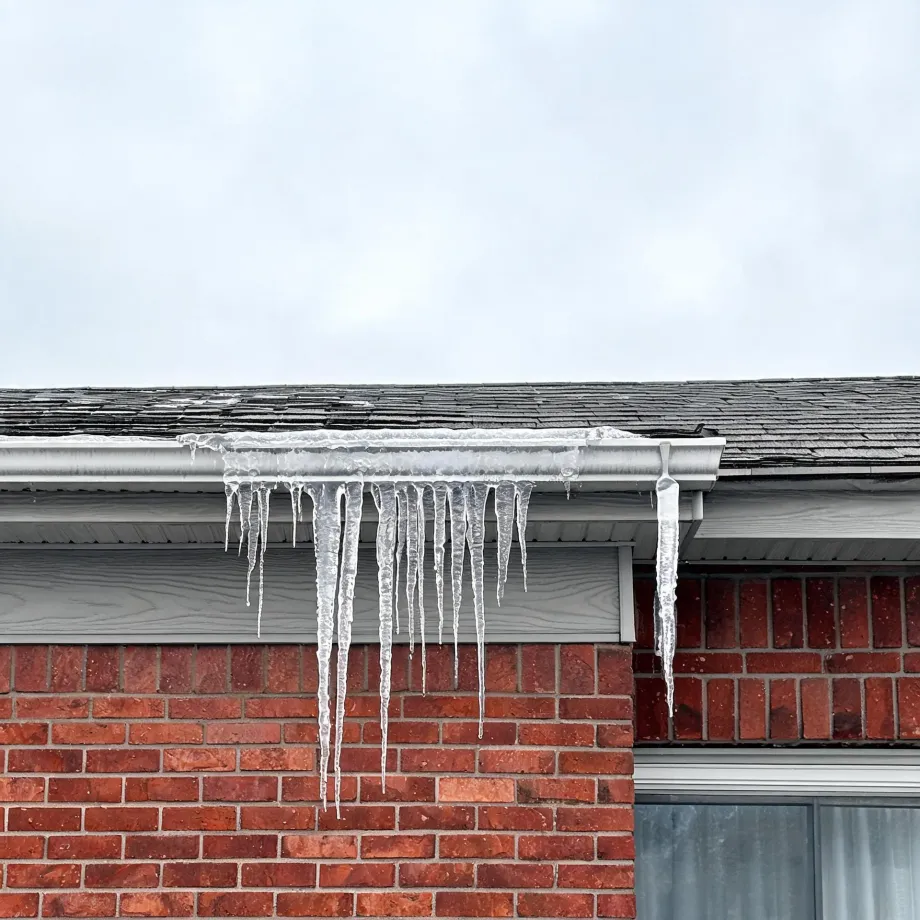
A heat pump running through a cold winter loses capacity as outdoor temperatures fall, so the refrigerant circuit and the reversing valve cycle hard every time the unit shifts modes. Homes in Holt County, MO run heat about seven months a year, from October through April. That sustained demand on the refrigerant side shows up as compressor fatigue, worn valve seats, and coil stress that builds over successive winters. A contractor coming out to diagnose a struggling unit in this county checks refrigerant charge and reversing valve operation early, because those are the components carrying the bulk of the seasonal load.
Ductwork that has been spliced, capped, and re-routed across successive systems carries its own repair complications, separate from whatever the heat pump itself turns out to need. Half the homes in Holt County, Missouri were built in 1965 or earlier (2020-2024 ACS 5-year). When a contractor opens a unit in stock like this, the refrigerant circuit and electrical connections often reflect repairs and adaptations from prior equipment, not the original install, and parts that fit the current unit may not fit what surrounds it. A refrigerant line running through a wall that was modified for a different system can change the scope of what should be a straightforward fix.
The Parts of a Heat Pump a Contractor Checks First
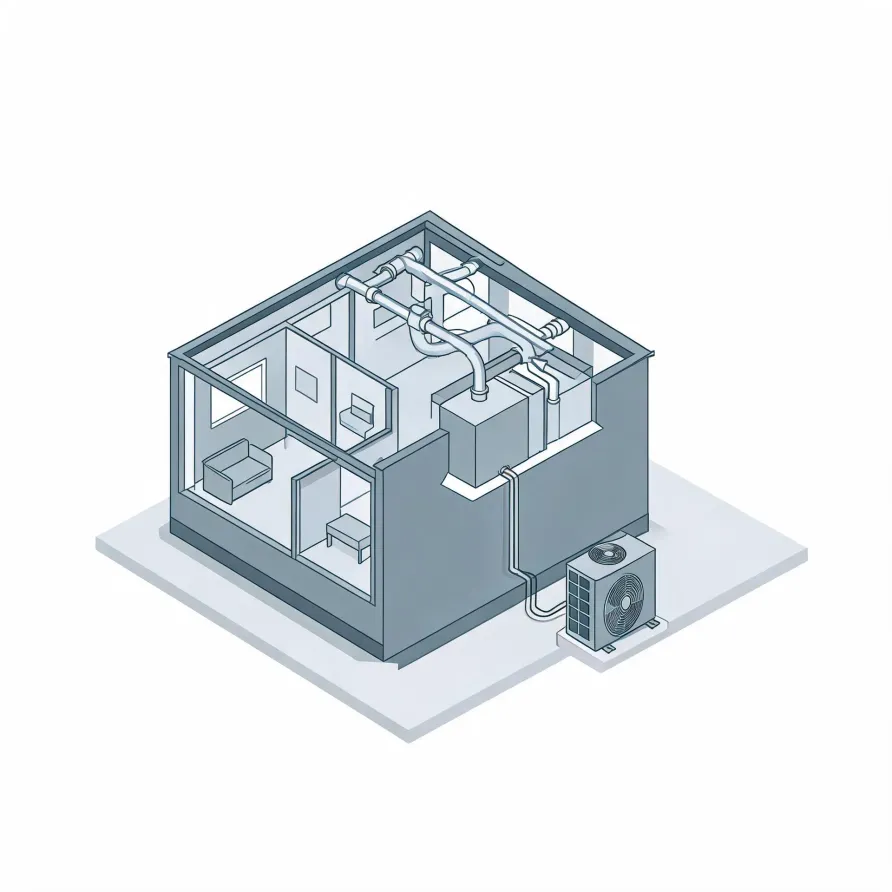
The outdoor unit sits outside the house and holds the compressor and the condenser coil. These are common starting points when a heat pump stops heating or cooling properly. The compressor pressurizes the refrigerant; the coil either releases or absorbs heat depending on the season. Either one can be the source of a breakdown.
Inside the house, the air handler moves conditioned air through the home and contains the evaporator coil and the blower motor. The reversing valve, which tells the system whether to heat or cool, sits in the outdoor unit and is a frequent point of failure when a heat pump is stuck in one mode. The refrigerant lines connecting both units and the expansion valve that regulates refrigerant flow are also on a contractor's checklist.
The drawing shows a general layout of how these parts relate to one another, and a licensed contractor determines which components are relevant in your specific home.
Find a contractor in Holt CountyHolt County, by the numbers
67 severe weather events were recorded in Holt County, Missouri between 2015 and 2024.
NOAA National Centers for Environmental Information, Storm Events Database, bulk CSV export, events 2015-01-01 through 2024-12-31.Half the homes in Holt County, Missouri were built in 1965 or earlier (2020-2024 ACS 5-year).
U.S. Census Bureau, 2020-2024 American Community Survey 5-Year EstimatesHolt County, Missouri holds 2,405 housing units (2020-2024 ACS 5-year).
U.S. Census Bureau, 2020-2024 American Community Survey 5-Year EstimatesOwners occupy 77.2% of the occupied homes in Holt County, Missouri (2020-2024 ACS 5-year).
U.S. Census Bureau, 2020-2024 American Community Survey 5-Year EstimatesWeather Stress on Heat Pumps in Holt County
Severe weather puts direct mechanical load on heat pumps, forcing the equipment to work harder and recover longer after each event. How much of that a system absorbs over the years shapes what repair work it eventually needs.
67 severe weather events, 2015–2024. Source: NOAA National Centers for Environmental Information, Storm Events Database.