Tell us about the job
Takes about a minute. No obligation.
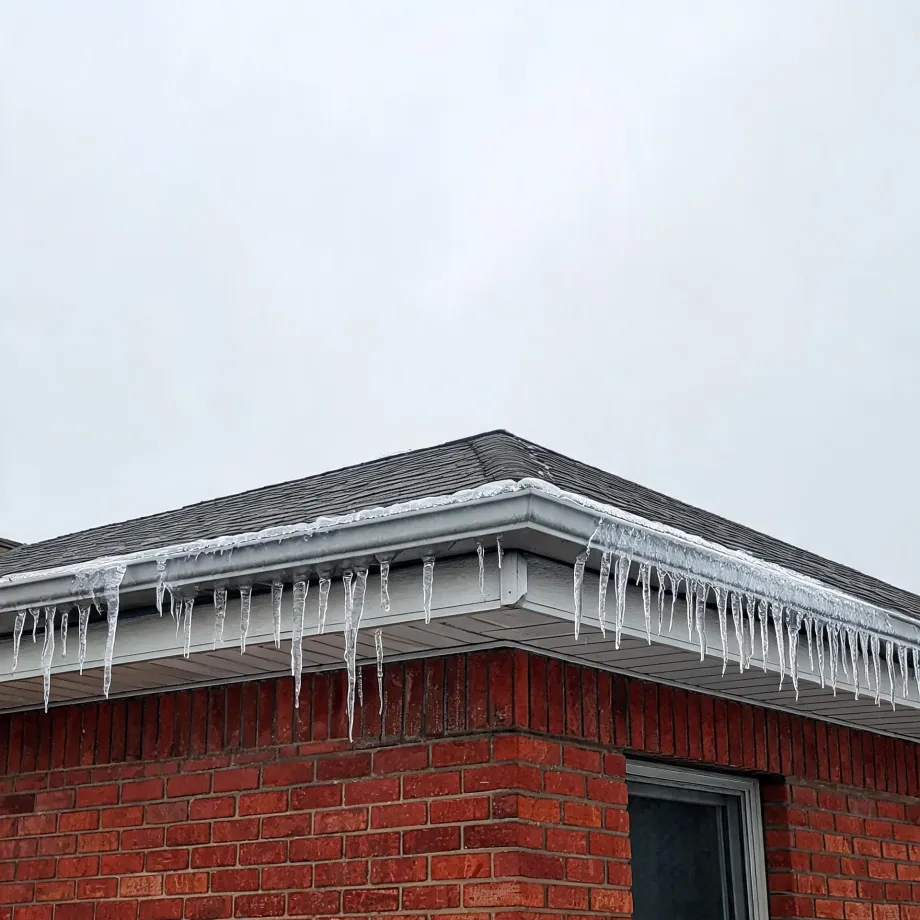
Homes in Atchison County, MO run heat about eight months a year, from October through May. A heat pump running heating that long puts the most stress on its reversing valve and compressor, both of which cycle every time the system calls for heat. By the time a homeowner notices a fault, those parts have already logged years of hard starts and pressure changes. A contractor diagnosing a heat pump here checks the compressor capacity and the reversing valve response early, because those are the components most likely to have been worn down by the cumulative load, not by a single event.
Houses that have carried successive rounds of equipment accumulate a repair history that shows up inside the unit itself: corroded line sets, mismatched connections, coil surfaces that have been cleaned around rather than cleaned. Half the homes in Atchison County, Missouri were built in 1957 or earlier (2020-2024 ACS 5-year). A contractor opening a heat pump in a house from that era of the stock finds components that reflect what earlier systems left behind as much as what the current unit has done on its own. Whether a part that needs replacing is still manufactured for a system of that configuration is a question that gets answered only once the covers come off.
The Parts of a Heat Pump a Contractor Checks First
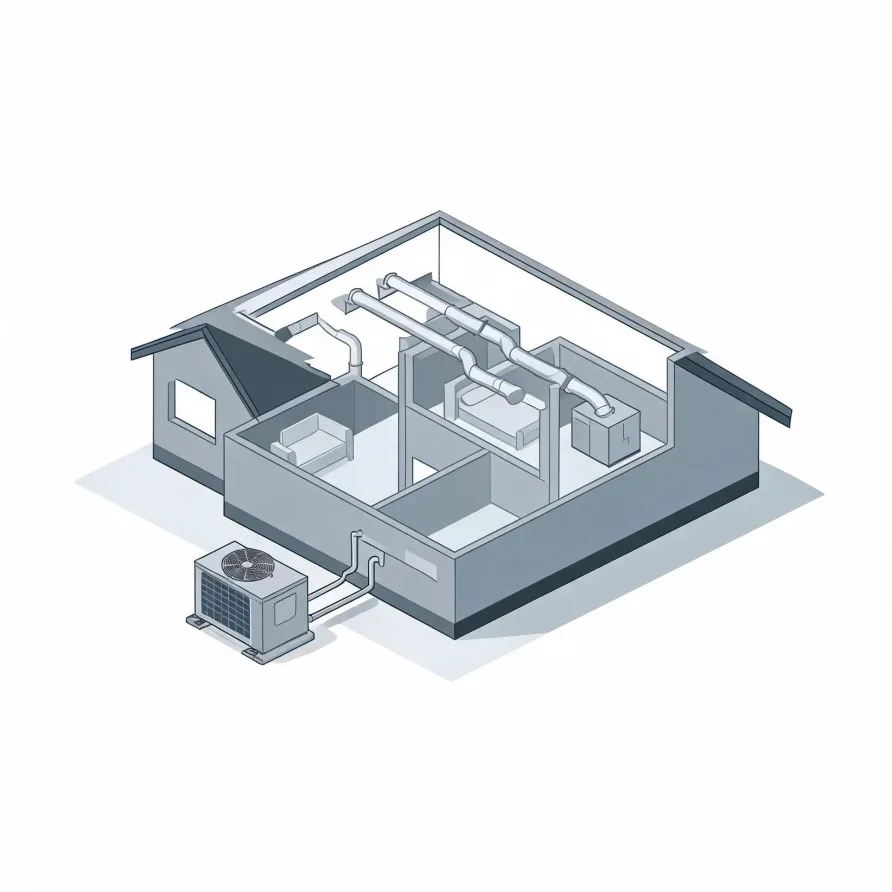
The outdoor unit sits outside the house and holds the compressor and condenser coil. These are where a contractor starts when a heat pump stops moving heat the way it should. A failed compressor, a refrigerant leak at the coil, or a seized fan motor in that cabinet are among the first things a technician rules in or out.
Inside, the air handler hangs in a closet, attic, or mechanical room and contains the indoor coil, the blower, and the reversing valve that tells the system which direction to run. The refrigerant lines connecting the two units and the expansion device that controls refrigerant flow are also part of what a contractor traces when the system behaves oddly.
The drawing shows the general layout of a heat pump system, and a licensed contractor determines which parts apply and need attention in your specific home.
Find a contractor in Atchison CountyAtchison County, Missouri, by the numbers
76 severe weather events were recorded in Atchison County, Missouri between 2015 and 2024.
NOAA National Centers for Environmental Information, Storm Events Database, bulk CSV export, events 2015-01-01 through 2024-12-31.Half the homes in Atchison County, Missouri were built in 1957 or earlier (2020-2024 ACS 5-year).
U.S. Census Bureau, 2020-2024 American Community Survey 5-Year EstimatesAtchison County, Missouri holds 2,726 housing units (2020-2024 ACS 5-year).
U.S. Census Bureau, 2020-2024 American Community Survey 5-Year EstimatesOwners occupy 76.8% of the occupied homes in Atchison County, Missouri (2020-2024 ACS 5-year).
U.S. Census Bureau, 2020-2024 American Community Survey 5-Year EstimatesSevere Weather Events in Atchison County
Weather in this part of Missouri puts real stress on heat pump systems, which run year-round and bear the load every time conditions push hard in either direction. How often that happens in Atchison County shapes how much repair work the equipment sees over its life.
76 severe weather events, 2015–2024. Source: NOAA National Centers for Environmental Information, Storm Events Database.