Tell us about the job
Takes about a minute. No obligation.
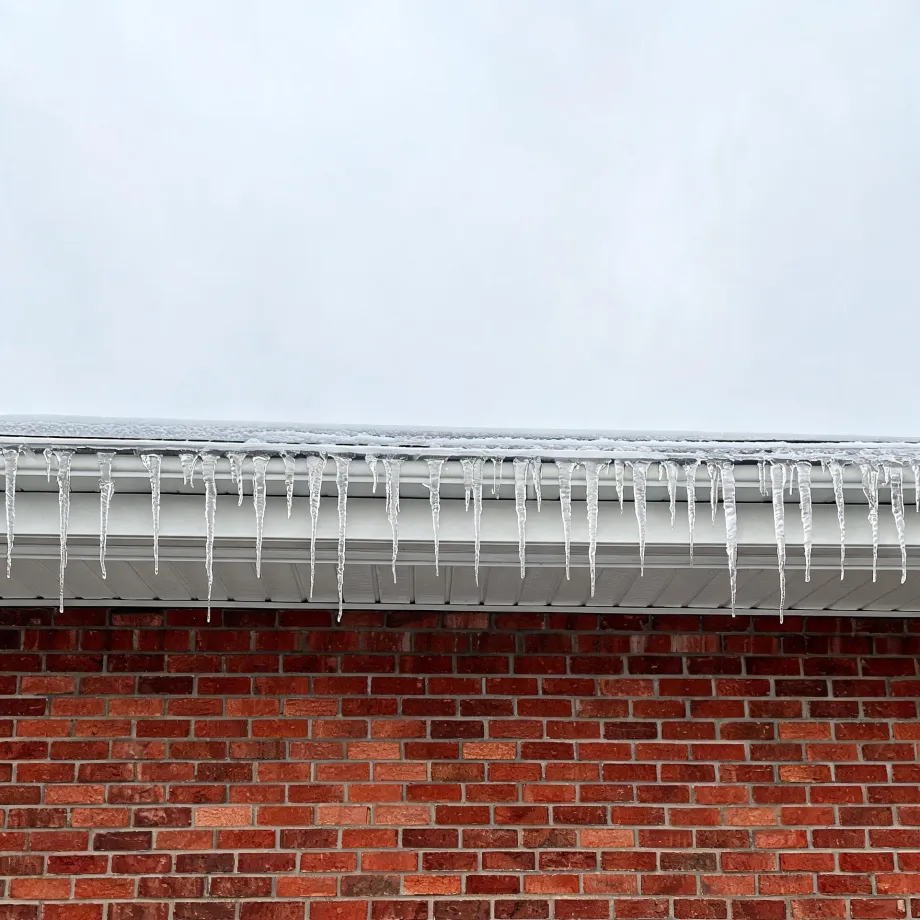
On a repair call, the part a contractor reaches for first tells you something about where the load actually lands. Homes in Camden County, MO run heat about seven months a year, from October through April. Through that stretch, a heat pump runs its refrigerant circuit hard every time outdoor temperatures drop, and the reversing valve cycles each time the system shifts between modes. Defrost cycles add to that count. By the time a homeowner calls for a repair, the compressor and the reversing valve have accumulated the wear that a contractor needs to account for before anything else gets priced.
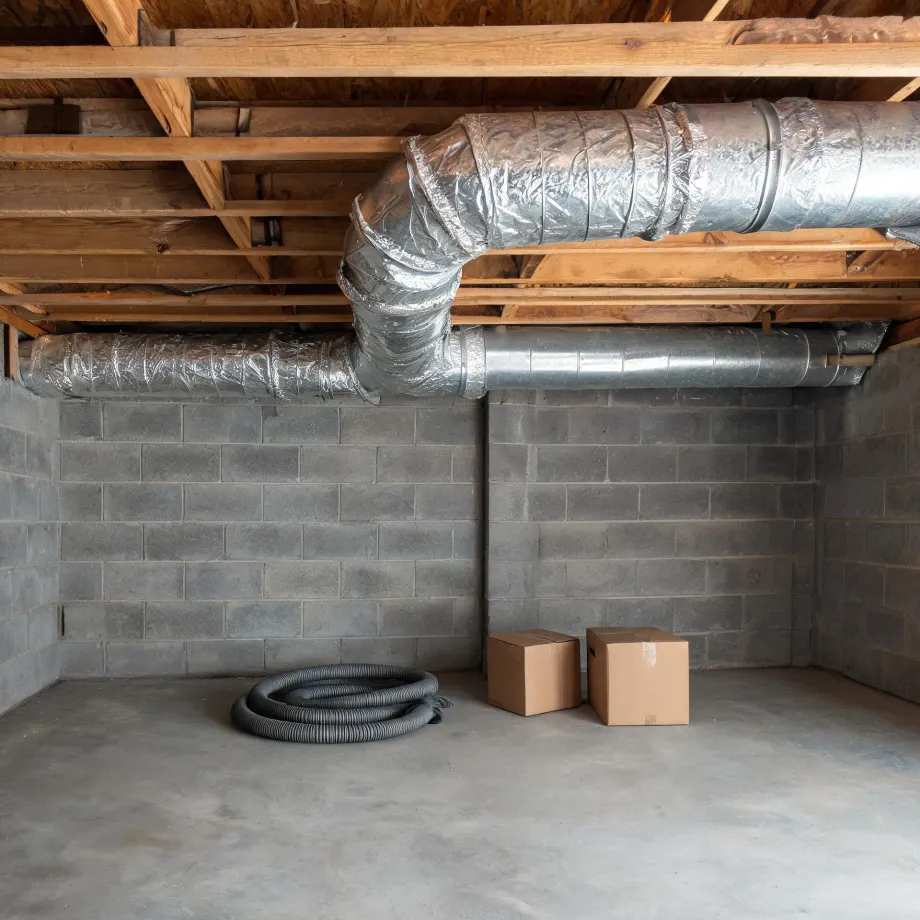
Ductwork laid down for one system and then asked to carry another accumulates compromises: gaps, partial reseals, transitions that were never quite right. Half the homes in Camden County, Missouri were built in 1988 or earlier (2020-2024 ACS 5-year). A heat pump running in stock like this inherits all of it, and when something fails, a contractor pulling the unit open has to sort out what belongs to the equipment and what belongs to the path the air travels. A failed reversing valve is one kind of repair. A reversing valve failing because of restricted airflow through joints that have never seated properly is a different bill.
The Parts of a Heat Pump a Contractor Checks First
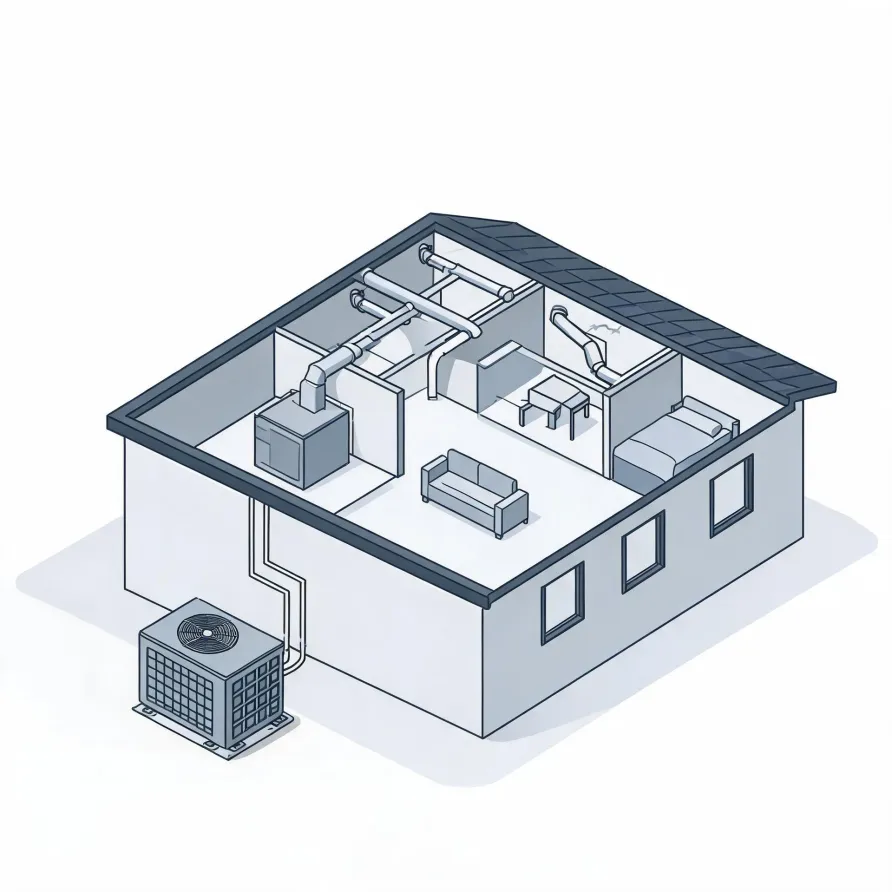
The outdoor unit is where most repair calls begin. It houses the compressor, which is the heart of the system, along with the condenser coil and a fan. When the system stops moving heat, runs loud, or trips the breaker, the compressor and coil are the first things a contractor puts hands on.
Inside the house, the air handler holds the evaporator coil and the blower that pushes conditioned air through the home. The refrigerant lines connecting the two units and the reversing valve, which tells the system whether to heat or cool, round out the pieces a contractor traces when the symptom points away from the outdoor unit.
The drawing shows a typical heat pump layout, and a licensed contractor determines which parts apply to your specific home and setup.
Find a contractor in Camden CountyCamden County, by the numbers
142 severe weather events were recorded in Camden County, Missouri between 2015 and 2024.
NOAA National Centers for Environmental Information, Storm Events Database, bulk CSV export, events 2015-01-01 through 2024-12-31.Half the homes in Camden County, Missouri were built in 1988 or earlier (2020-2024 ACS 5-year).
U.S. Census Bureau, 2020-2024 American Community Survey 5-Year EstimatesCamden County, Missouri holds 40,072 housing units (2020-2024 ACS 5-year).
U.S. Census Bureau, 2020-2024 American Community Survey 5-Year EstimatesOwners occupy 82.5% of the occupied homes in Camden County, Missouri (2020-2024 ACS 5-year).
U.S. Census Bureau, 2020-2024 American Community Survey 5-Year EstimatesSevere Weather Events in Camden County
Heat pumps work hardest when the weather swings hardest, and those swings accumulate as wear. How much strain the climate puts on equipment here is a local fact, and it shapes how often repair becomes necessary.
142 severe weather events, 2015–2024. Source: NOAA National Centers for Environmental Information, Storm Events Database.