Tell us about the job
Takes about a minute. No obligation.
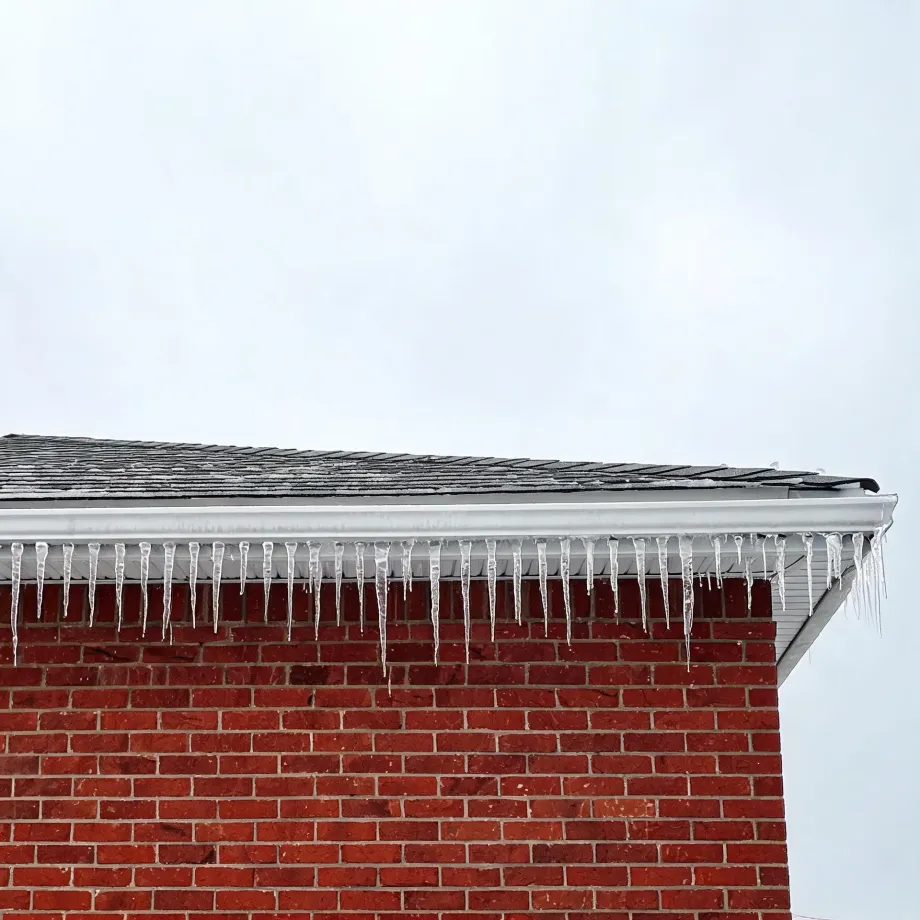
A contractor quoting a heat pump repair here starts with the parts that carry the heating load: the reversing valve, the coil, and the refrigerant circuit. Homes in Benton County, MO run heat about seven months a year, from October through April. That stretch of sustained cold cycling wears the reversing valve hard, and coil degradation often shows up as capacity loss before anything fails outright. A homeowner who notices the system struggling in January may have been living with a slow fault since fall. The refrigerant circuit tells the contractor how far along that wear is.
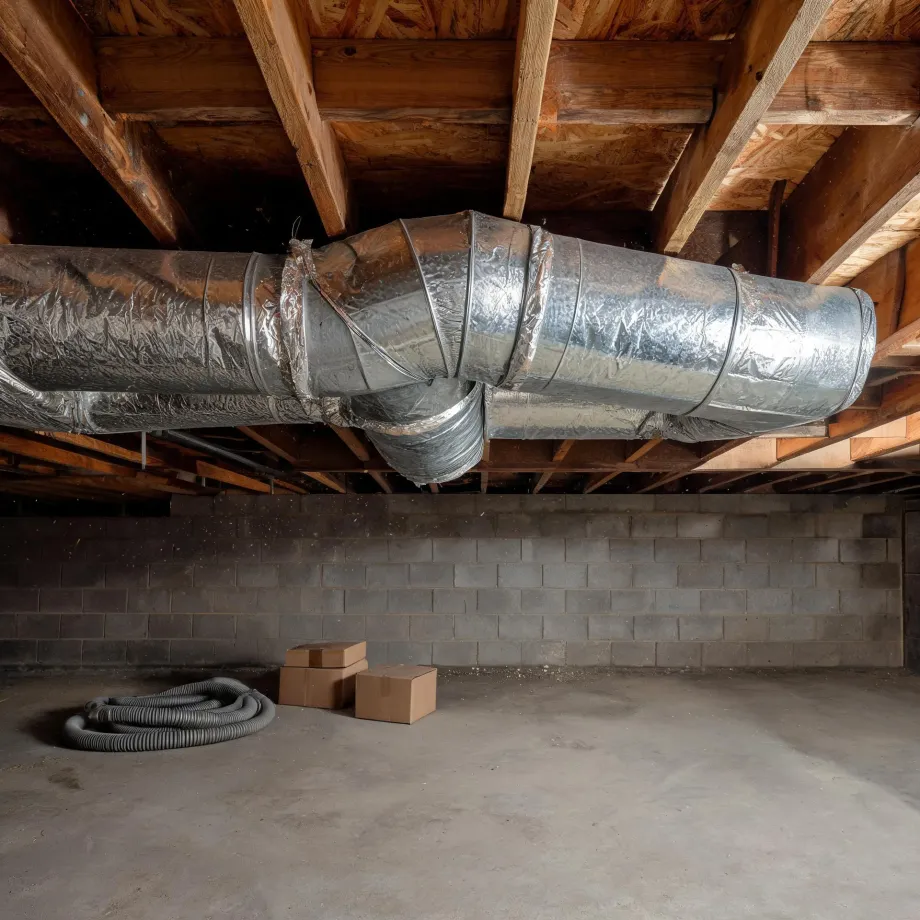
Half the homes in Benton County, Missouri were built in 1985 or earlier (2020-2024 ACS 5-year). A heat pump running in housing stock that old has had time to move through multiple repair cycles, and the unit a contractor opens today is carrying that history in its contactor wear, its capacitor condition, and sometimes in control boards whose part numbers have aged out of active distribution. When a part is still available, the repair is straightforward. When it is not, the contractor has to work out whether a cross-referenced substitute fits the system's existing wiring and refrigerant type, which is where the job gets longer and the scope gets rewritten.
The Parts of a Heat Pump a Contractor Checks First
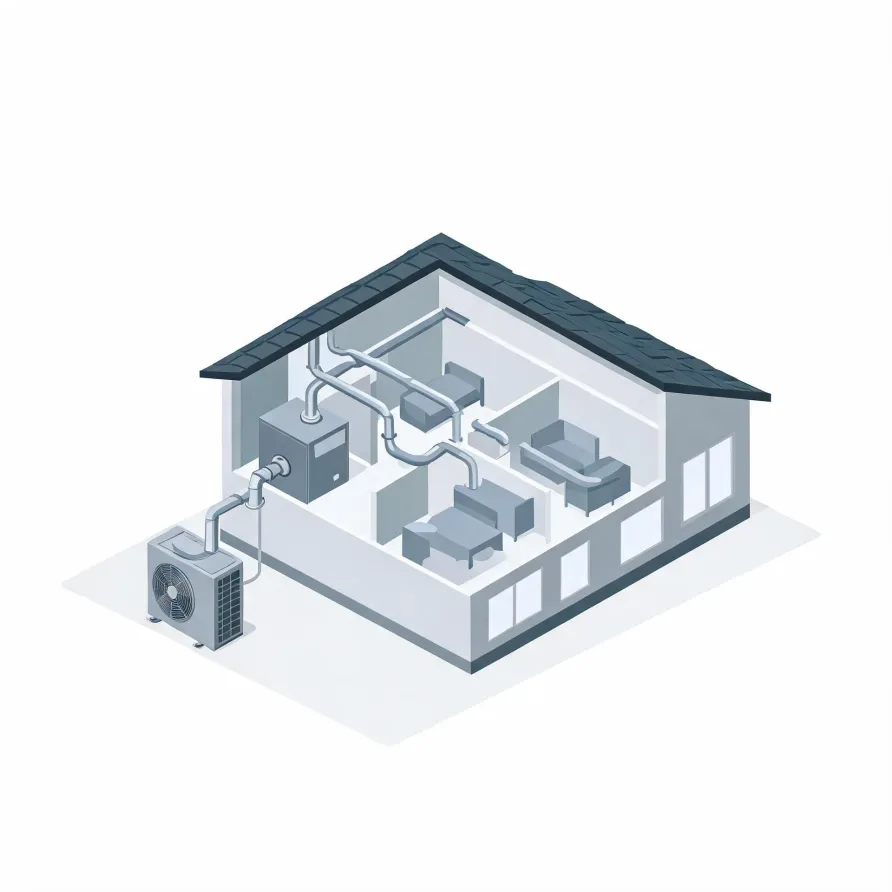
The outdoor unit is the piece most homeowners recognize on sight. It sits on a pad beside the house and holds the compressor and the outdoor coil. Both are common starting points when a system stops heating or cooling properly. The compressor moves refrigerant through the loop; the coil is where heat transfer happens at the outside end.
Inside the house, the air handler holds the indoor coil and the blower. The coil handles the indoor side of heat transfer, and the blower pushes conditioned air through the vents. The reversing valve, which sits in the refrigerant line and tells the system which direction to run, is another piece a contractor will check when the system runs but delivers the wrong kind of air.
The drawing shows a typical heat pump layout, and a licensed contractor determines which components apply to your specific setup.
Find a contractor in Benton CountyBenton County, by the numbers
96 severe weather events were recorded in Benton County, Missouri between 2015 and 2024.
NOAA National Centers for Environmental Information, Storm Events Database, bulk CSV export, events 2015-01-01 through 2024-12-31.Half the homes in Benton County, Missouri were built in 1985 or earlier (2020-2024 ACS 5-year).
U.S. Census Bureau, 2020-2024 American Community Survey 5-Year EstimatesBenton County, Missouri holds 13,594 housing units (2020-2024 ACS 5-year).
U.S. Census Bureau, 2020-2024 American Community Survey 5-Year EstimatesOwners occupy 83.8% of the occupied homes in Benton County, Missouri (2020-2024 ACS 5-year).
U.S. Census Bureau, 2020-2024 American Community Survey 5-Year EstimatesSevere Weather Events in Benton County
Extreme weather puts heat pumps under strain, and how hard a system works over its lifetime depends heavily on local conditions. Repair needs in Benton County reflect that load.
96 severe weather events, 2015–2024. Source: NOAA National Centers for Environmental Information, Storm Events Database.