Tell us about the job
Takes about a minute. No obligation.
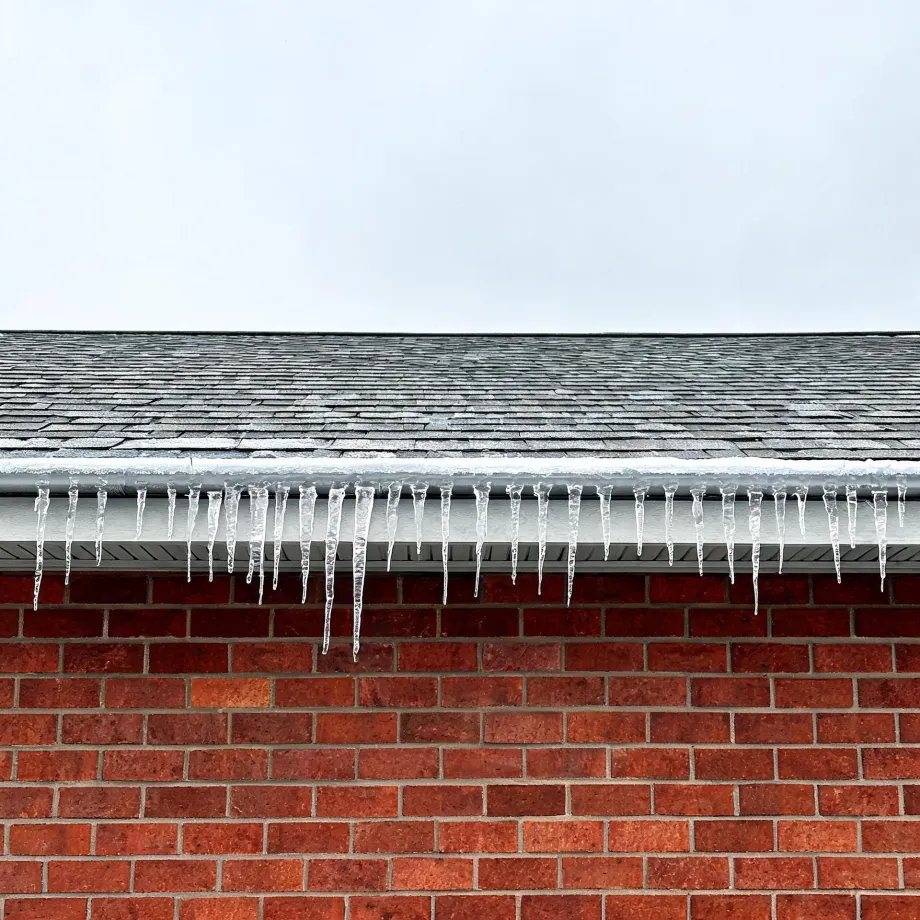
A heat pump in this area carries a real heating load, not just a shoulder-season one. Homes in Greene County, MO run heat about seven months a year, from October through April. Capacity on a heat pump falls as outdoor temperatures drop, so a contractor has to establish the coldest design conditions before they can size the system. An undersized unit hands the load to backup resistance elements, which draw far more electricity than the heat pump itself. The installer who skips a proper load calculation leaves the homeowner paying for that shortfall every winter.
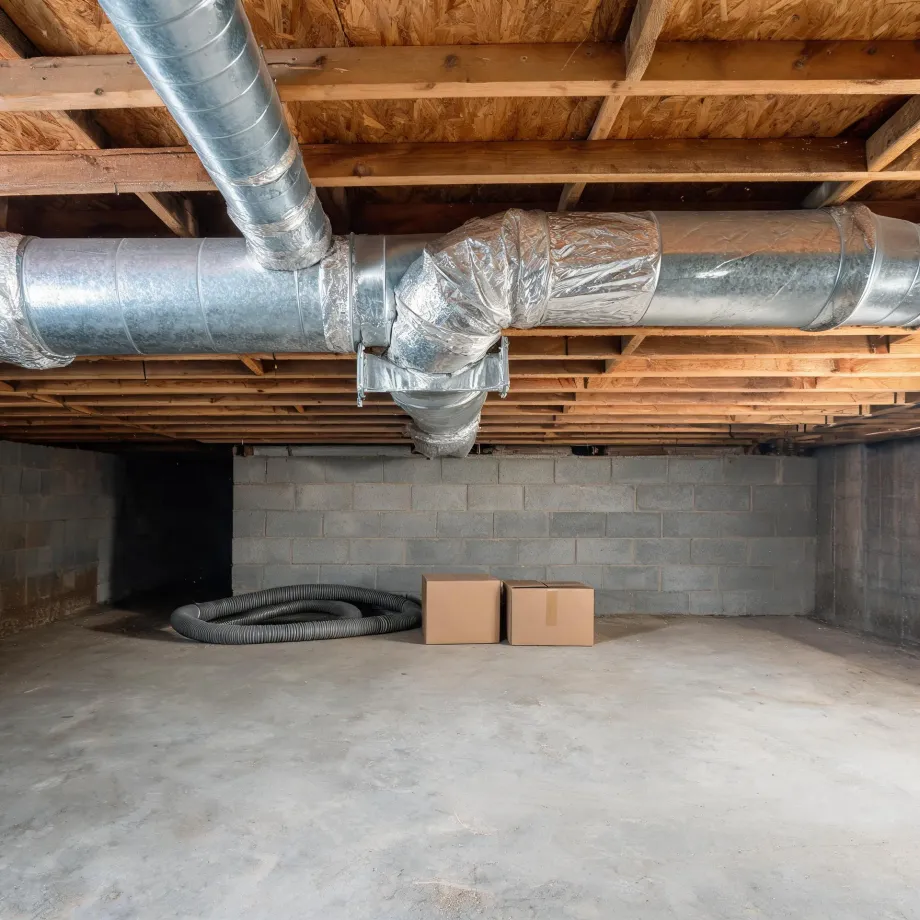
Ductwork laid out for an older system carries assumptions about airflow, return placement, and static pressure that a heat pump does not share. Half the homes in Greene County, Missouri were built in 1982 or earlier (2020-2024 ACS 5-year). That gap between what the house was built around and what a contractor is installing now is where most of the variables in a heat pump job actually live. A contractor sizing a new unit here has to confirm the existing duct layout will move air the way the new system needs it to, and the electrical service can support the load, before the equipment choice settles anything.
What a Heat Pump Installation Puts in Your Home
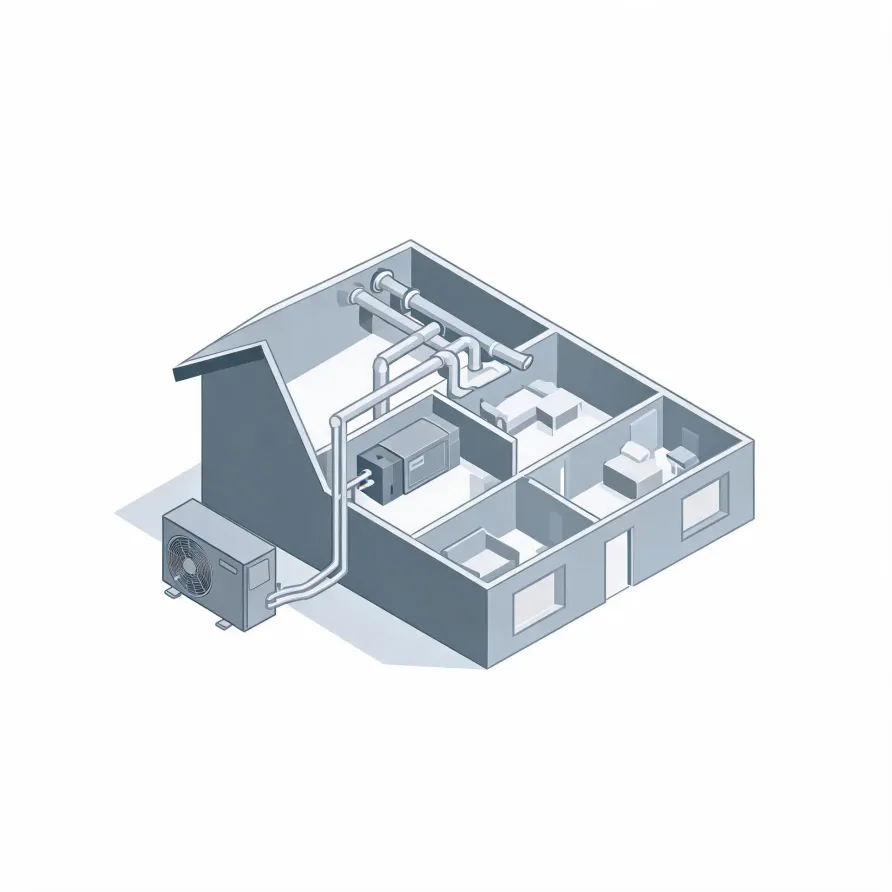
The outdoor unit sits on a pad beside the house and holds the compressor and the main coil. The indoor air handler mounts in a utility space, a closet, or an attic and moves conditioned air into the living space. These two units are the core of what a contractor places during a heat pump installation.
A refrigerant line set runs between the outdoor unit and the air handler, connecting the two halves of the system through the wall or floor. A thermostat goes on an interior wall where it reads the temperature of the living space and tells the system when to run.
The drawing alongside this text shows the general layout of these components, and a licensed contractor determines exactly how each one applies to your house.
Find a contractor in Greene CountyGreene County, by the numbers
474 severe weather events were recorded in Greene County, Missouri between 2015 and 2024.
NOAA National Centers for Environmental Information, Storm Events Database, bulk CSV export, events 2015-01-01 through 2024-12-31.Half the homes in Greene County, Missouri were built in 1982 or earlier (2020-2024 ACS 5-year).
U.S. Census Bureau, 2020-2024 American Community Survey 5-Year EstimatesGreene County, Missouri holds 138,982 housing units (2020-2024 ACS 5-year).
U.S. Census Bureau, 2020-2024 American Community Survey 5-Year EstimatesOwners occupy 57.5% of the occupied homes in Greene County, Missouri (2020-2024 ACS 5-year).
U.S. Census Bureau, 2020-2024 American Community Survey 5-Year EstimatesSevere Weather Events in Greene County
Weather in Greene County puts real demands on heating and cooling equipment, and those demands shape what a heat pump here has to handle across its working life. Sizing and installing the right system is a local decision, and the local record is part of what informs it.
474 severe weather events, 2015–2024. Source: NOAA National Centers for Environmental Information, Storm Events Database.