Tell us about the job
Takes about a minute. No obligation.
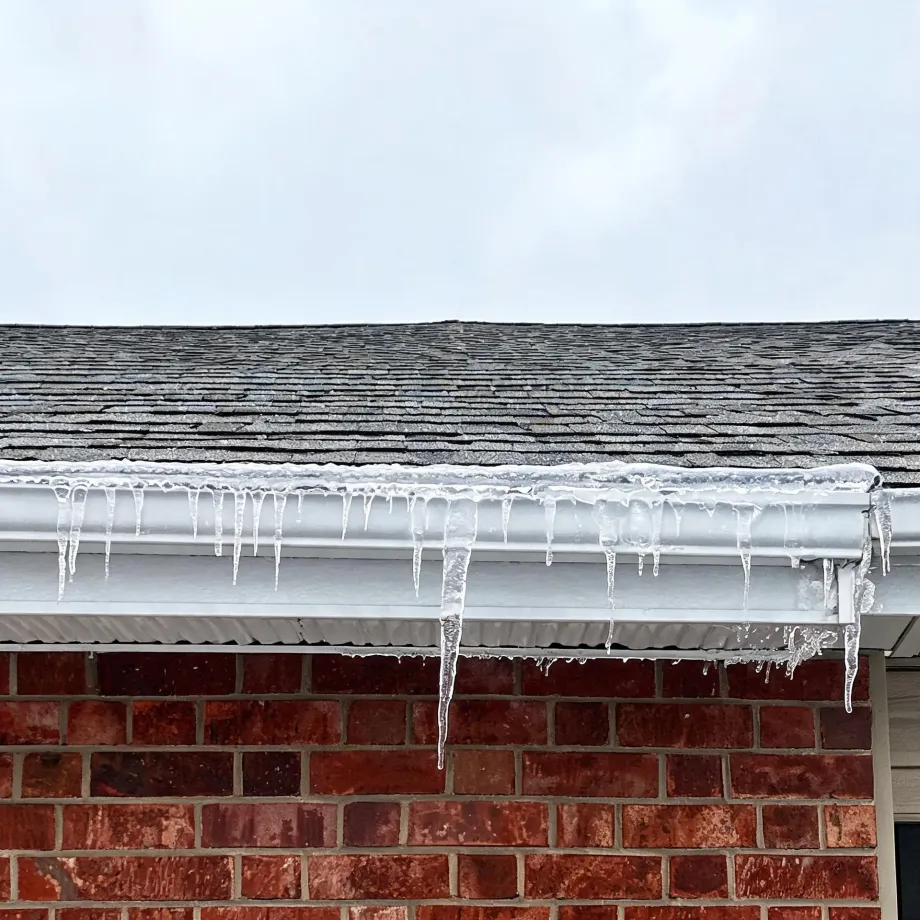
A heat pump in Greene County earns its wear in winter, not in summer. Homes in Greene County, MO run heat about seven months a year, from October through April. When outdoor temperatures drop, a heat pump's capacity falls and the compressor works harder to move the same amount of heat indoors. A contractor diagnosing a refrigerant or reversing valve fault here will check how the system has been performing through repeated cold months, because that is where stress accumulates on those components. Coil condition and refrigerant charge both drift under that kind of thermal load.
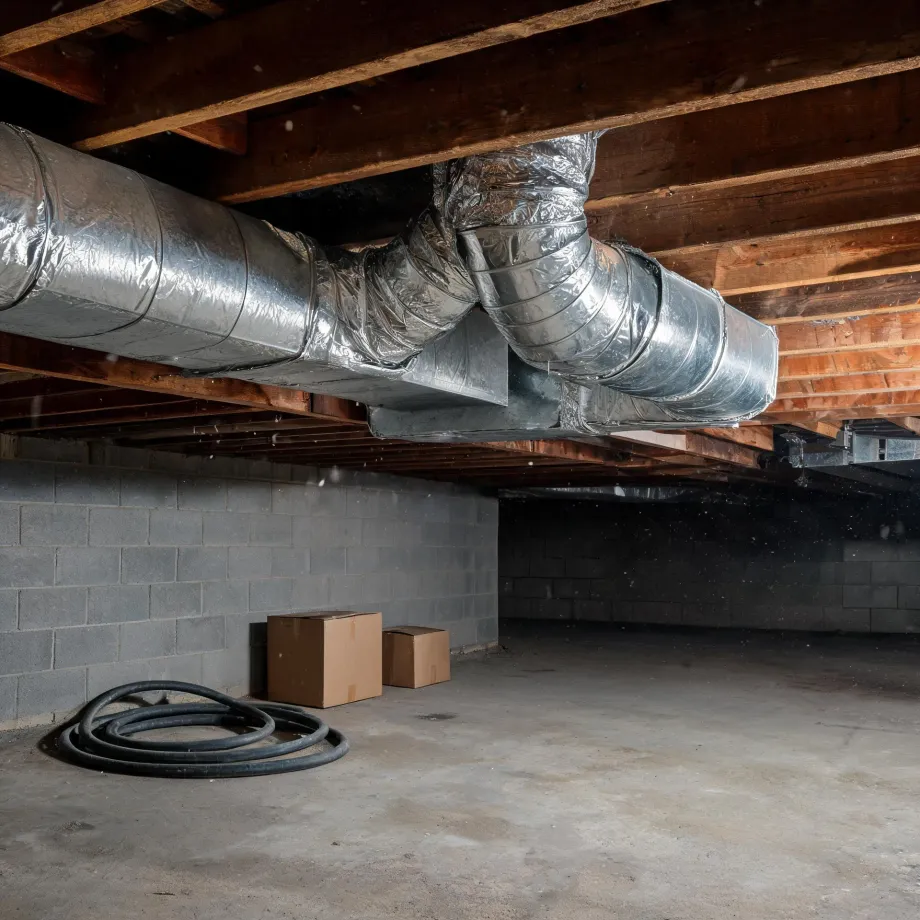
Half the homes in Greene County, Missouri were built in 1982 or earlier (2020-2024 ACS 5-year). A heat pump running in a house that old was almost certainly not the first system those ducts served. When a contractor opens the unit, what they find is shaped by whatever retrofits and replacements came before, and whether the components inside still have a supply chain behind them is a separate question from whether the unit appears to be running. A refrigerant type or a compressor variant that predates current parts catalogs can turn a straightforward repair into a sourcing problem.
The Parts of a Heat Pump a Contractor Checks First
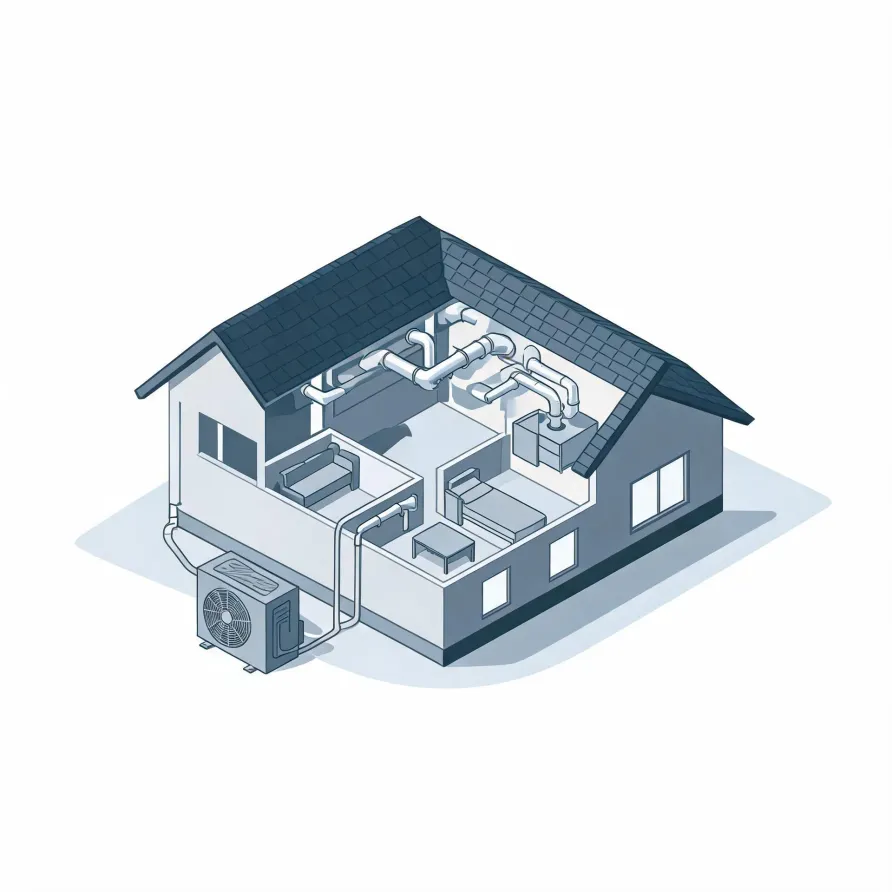
The outdoor unit sits on a pad beside the house and holds the compressor and one set of coils. The compressor is usually the first place a contractor looks when a heat pump stops moving heat properly. The coils in that cabinet are the second, since a refrigerant leak or a blocked coil shows up there before anywhere else.
The indoor air handler mounts in a utility space, basement, or closet and holds a second set of coils along with the blower that pushes conditioned air through the home. The reversing valve, which lives inside the outdoor unit, is what a contractor checks when the system runs but delivers the wrong temperature, since that valve is what switches the system between heating and cooling.
The drawing shows a typical layout, and a licensed contractor determines which components apply to your specific system and home.
Find a contractor in Greene CountyGreene County, by the numbers
474 severe weather events were recorded in Greene County, Missouri between 2015 and 2024.
NOAA National Centers for Environmental Information, Storm Events Database, bulk CSV export, events 2015-01-01 through 2024-12-31.Half the homes in Greene County, Missouri were built in 1982 or earlier (2020-2024 ACS 5-year).
U.S. Census Bureau, 2020-2024 American Community Survey 5-Year EstimatesGreene County, Missouri holds 138,982 housing units (2020-2024 ACS 5-year).
U.S. Census Bureau, 2020-2024 American Community Survey 5-Year EstimatesOwners occupy 57.5% of the occupied homes in Greene County, Missouri (2020-2024 ACS 5-year).
U.S. Census Bureau, 2020-2024 American Community Survey 5-Year EstimatesSevere Weather Events in Greene County
Extreme weather puts real strain on heat pump components, and how hard a system works over time shapes what repairs it eventually needs. What happens in Greene County stays local: the weather load here is what your equipment runs against.
474 severe weather events, 2015–2024. Source: NOAA National Centers for Environmental Information, Storm Events Database.