One request ends the search for a heat pump installer.
A heat pump can keep up through a Troy winter, but it needs help once the temperature really drops, and that's where most of the questions start. Below a certain point outside, a heat pump alone can't pull enough heat from the air, and the system leans on backup heat to make up the difference. If your setup doesn't have that backup, or it isn't sized right for how cold it gets here in Lincoln County, you end up with a house that can't hold temperature on the coldest nights.
Most homes in this area already heat with electricity, which is part of why heat pumps make sense here. Power is cheap, and a heat pump moves heat instead of making it, so it costs less to run than straight electric resistance heat. That math works in your favor most of the winter. The question is what happens on the handful of nights it gets genuinely cold, and whether your system is set up to handle that without just running constantly and losing ground.
That's a sizing and setup question, not a guess. A contractor who installs heat pumps in this area can look at your system, your house, and tell you whether it's matched to what winter here actually does, or whether it's working harder than it should.
If you're not sure where yours stands, you don't have to spend your evening calling around and explaining your situation to three different companies to find out. Send the form below once, and the job of finding someone who knows heat pump installation in Troy stops being something you have to do yourself.
Is a heat pump enough for winter in Troy, MO?
You've got a heat pump and you're wondering if it can actually carry your house through a Lincoln County winter, or if you're going to be shivering in January. It's a fair thing to ask before the cold really sets in, since not every heating system handles freezing temperatures the same way, and you don't want to find out the hard way on the coldest night of the year.
Mostly, but it needs backup when it's really cold
A heat pump moves heat from the outside air into your house, and that works fine most of the winter. The trouble starts when the temperature outside drops into the teens or lower. At that point there's less heat in the air to pull from, and the heat pump has to work harder to deliver less warmth. Most heat pump systems here pair with a backup heat source, usually electric resistance coils, that kicks in automatically when the outdoor unit can't keep up on its own. Winters in Lincoln County get cold enough that you'll lean on that backup more than a few nights a year. The heat pump isn't failing when that happens. It's doing what it's built to do, and the backup is built in for exactly this reason.
How a heat pump pulls heat from cold air
A heat pump moves heat from outside air into your house rather than burning fuel to make it. That works fine down into the 30s and 20s. Below that, there's less heat in the air to grab, and the unit has to run longer to move the same amount of it. Lincoln County winters drop well past that point, which is why the system needs a backup source once the outdoor temperature falls far enough.
Why the backup matters here
Most homes in and around Troy heat with electricity, so that backup is usually a set of electric resistance strips built into the air handler. They switch on automatically when the heat pump can't keep the house at the set temperature on its own. You won't see this happen; the thermostat handles it. What matters is that the strips are sized right and the switchover point is set correctly for how cold it actually gets here.
What does a Troy winter actually ask of your heat pump?
Winter nights average 23°F
Overnight lows average 23°F here in December, January and February. That's cold enough that your heat pump needs backup heat to keep the house comfortable.
Heat runs October through April
Heat runs about seven months a year in Lincoln County, October through April. Your system spends more time heating than doing anything else.
Cooling runs May through September
Cooling only runs about five months, May through September. A heat pump built for this area has to earn its keep more in winter than summer.
NOAA nClimDiv 1991-2020
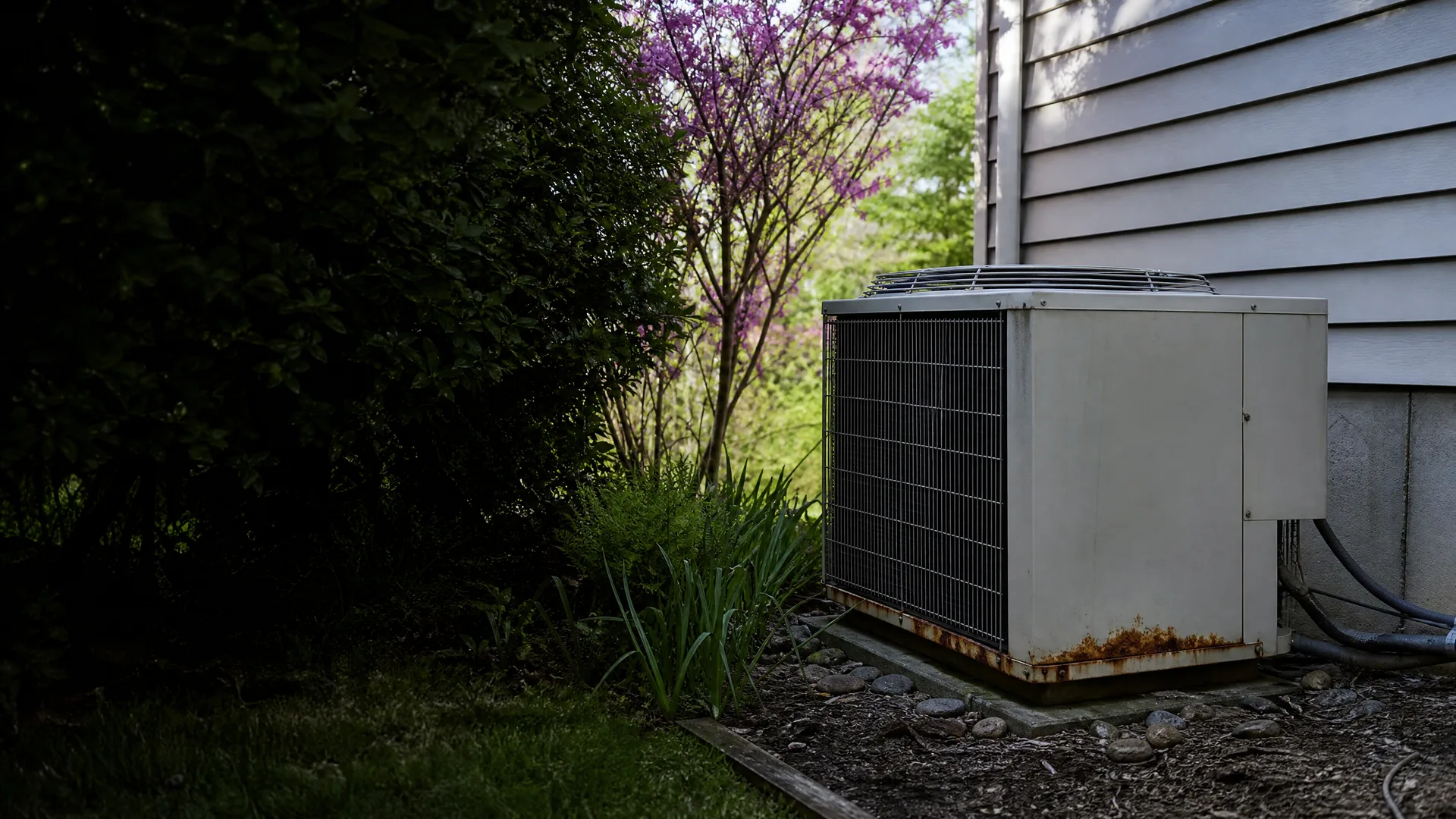
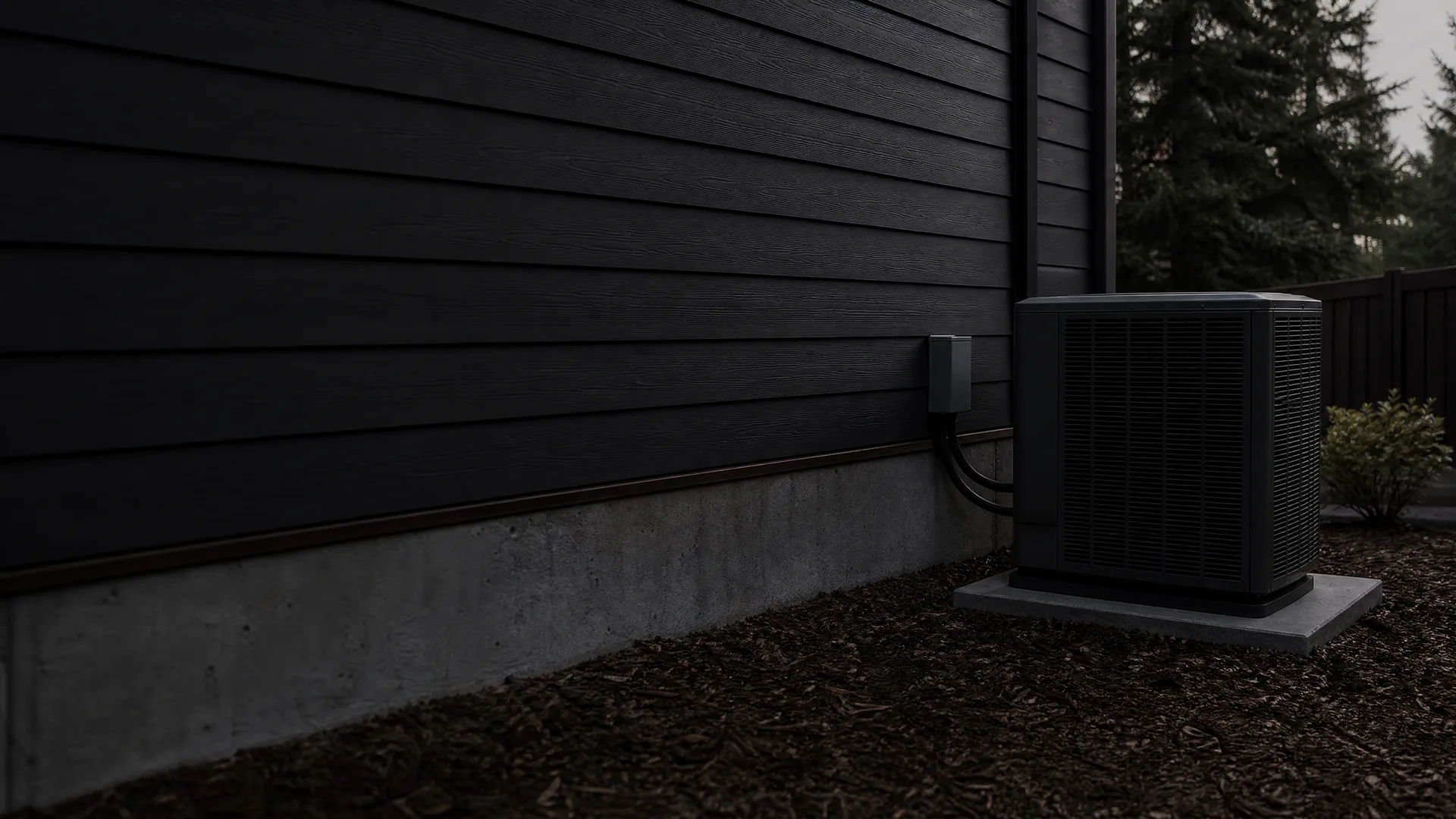
You're out in the side yard in March, coiling up the garden hose, and you stop at the unit sitting against the fence. Rust has crept along the base of it, flaking where the metal meets the concrete pad. You crouch down and press a finger to it and a piece comes away. It ran all winter to keep the house warm through those 23 degree nights, and it shows. You think back to a couple of mornings in January when the air coming out of the vents felt cooler than it should have, and you'd written it off as nothing. Looking at the rust now, you're not so sure it was nothing.
A heat pump in Lincoln County needs backup heat on the coldest nights, and whether that backup is sized right, wired right, and set to kick in at the right point is the difference between a warm house and a cold one in January. That's an installation question, not something you can eyeball by standing next to the unit. If yours is older or came with the house, nobody can tell you from a search result whether it was set up to handle a 23°F night without the backup heat straining or running more than it should. Finding out means getting someone out to look at it, and on your own that's calling around Lincoln County, explaining the same thing to each one, waiting on callbacks, then sitting with quotes trying to guess who actually knows heat pumps versus who just installs furnaces. Send the request above and that work is off your plate. You'll have an answer on your system before the next cold snap instead of during it.
Lincoln County's overnight low runs 23°F on average across December, January and February, says NOAA. At that temperature your heat pump is pulling heat from air that doesn't have much to give, so it leans on backup heat to hold the house at your thermostat setting. You'll notice the outdoor unit running close to nonstop on those nights, and air coming out of the vents that feels cooler than what you get in October or April. That's normal. The backup heat is doing the work the outside air can't, and it's why the system has to be sized and wired for both jobs, not just the mild ones.
NOAA nClimDiv 1991-2020
Heat Pump Alone vs. With Backup
Heat pump alone
Below the mid-30s outside, the unit starts losing its edge, pulling heat from air that has less of it to give.
On the coldest nights, in the teens or below, it can run close to constantly and still lose ground to the thermostat setting.
It keeps pulling double duty on humidity and temperature in the shoulder months, which is where it does its best work.
Without backup heat staying off longer than it should, rooms farthest from the unit can lag behind the thermostat reading.
Electric bills can climb on the coldest stretches since the compressor is working harder for the same degree of warmth.
Heat pump plus backup heat
Backup heat, usually electric resistance coils or a furnace, kicks in once outdoor air can't supply enough heat on its own.
Sized and wired correctly, the backup stage covers the gap on nights near or below 23°F without the house losing ground.
The thermostat controls when backup heat engages, so a setting that's off by a few degrees means it runs more than it needs to.
Most homes in Lincoln County already run on electricity, so backup heat draws from the same power as the heat pump itself.
A properly installed system switches between the two stages without the homeowner noticing anything but a warm house.
A heat pump set up right
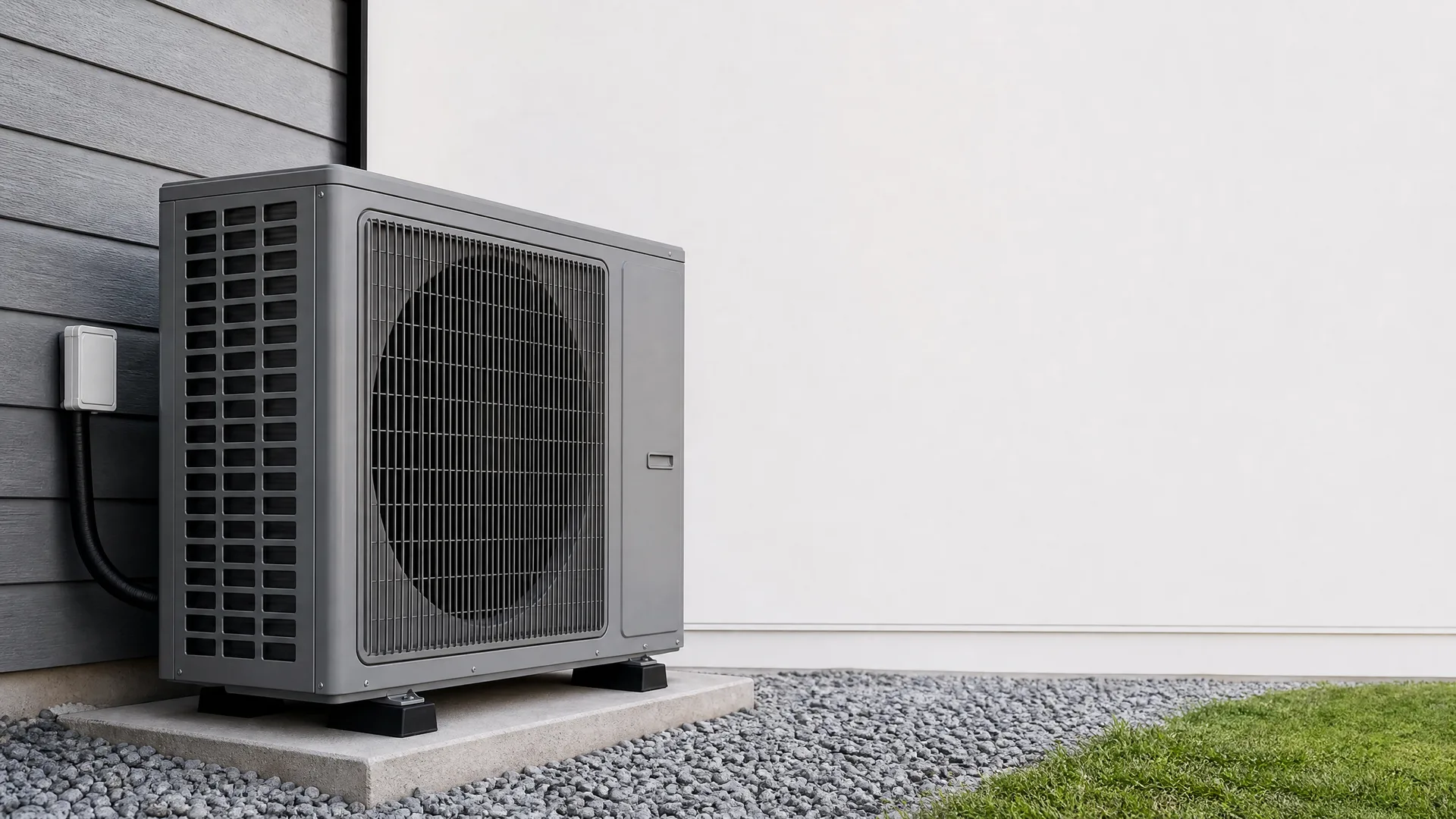
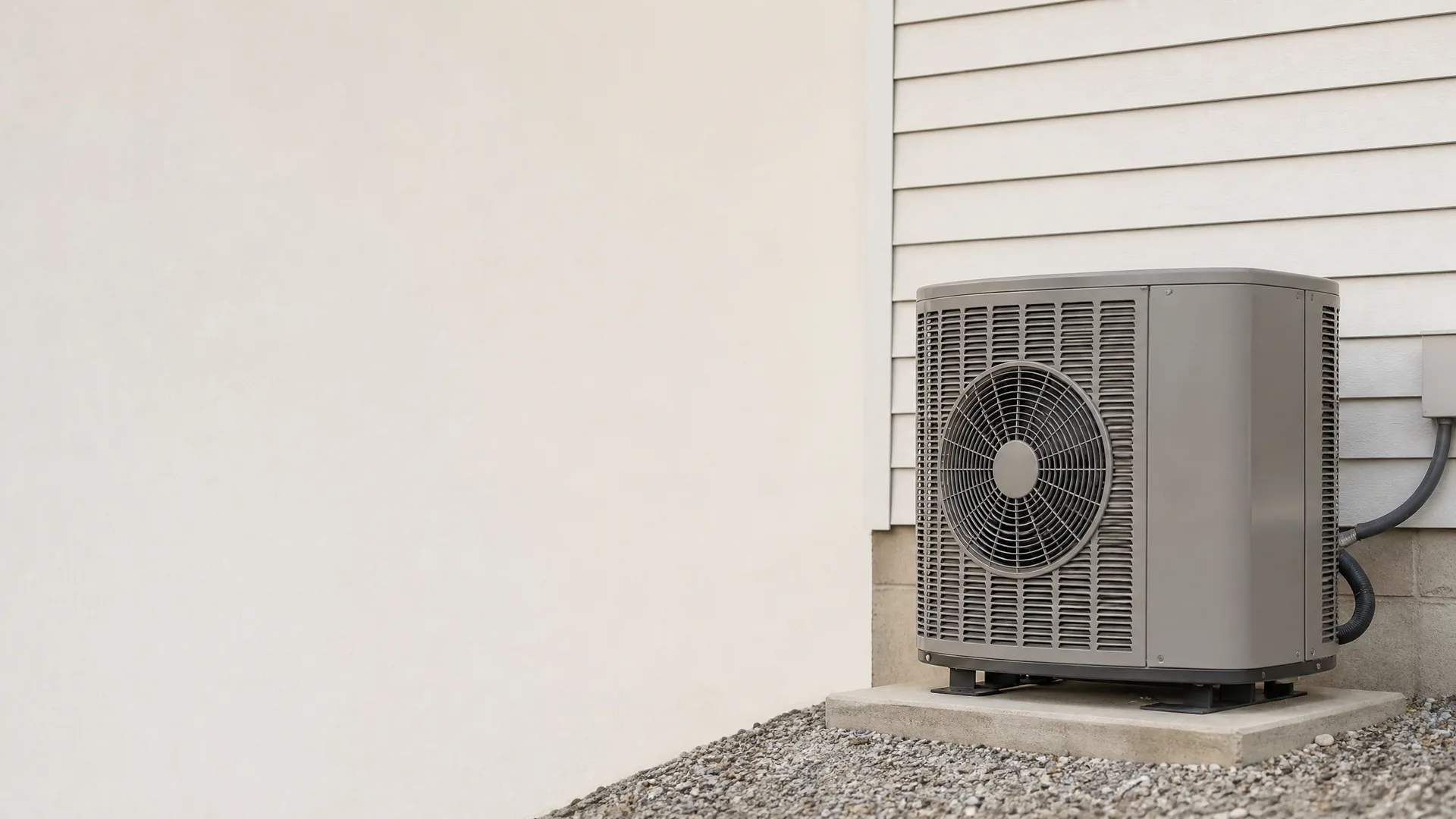
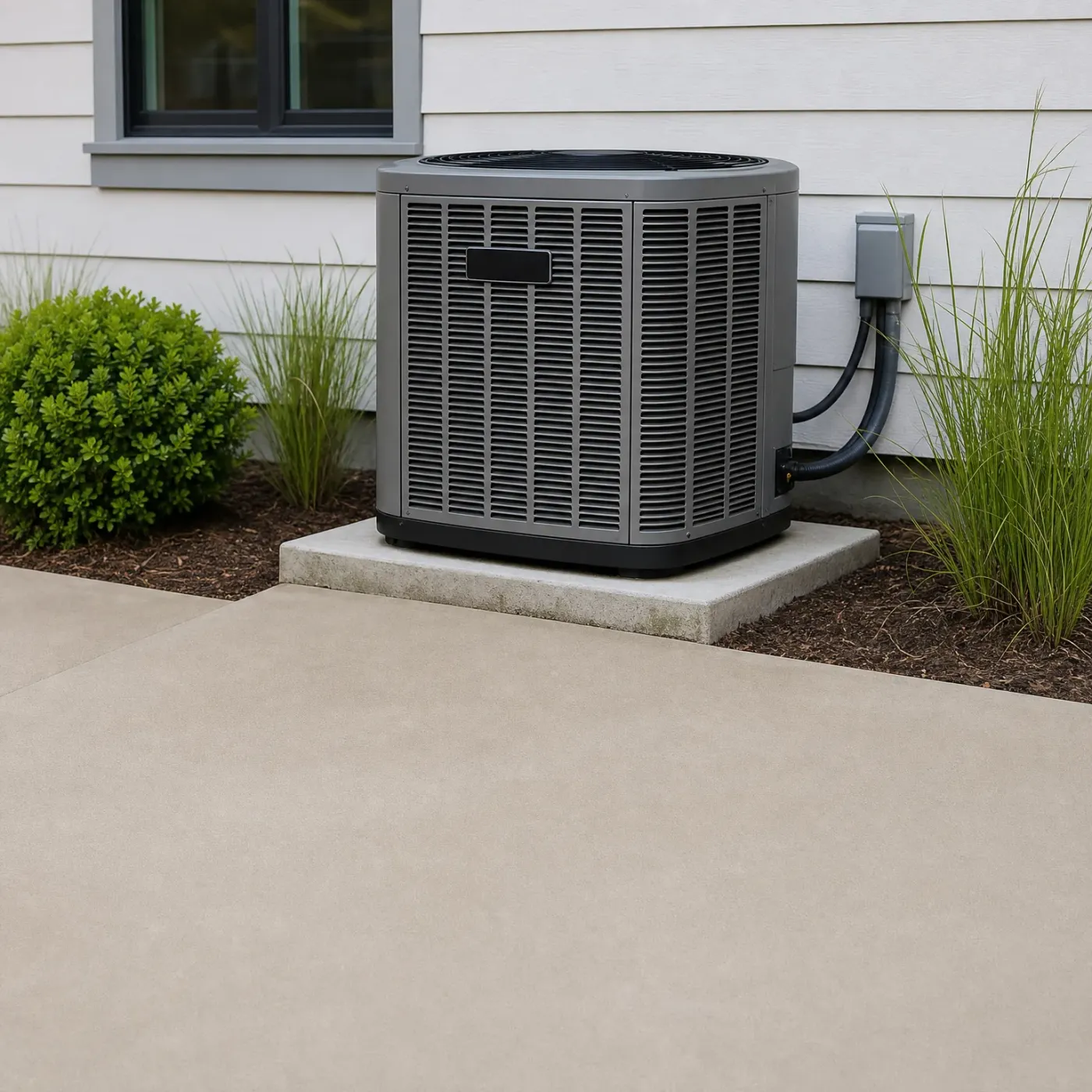
This is what a working setup looks like: the unit sits clear on its pad, lines running clean to the disconnect box, nothing crowding it but the grasses planted along the bed. Backup heat wired in and set to kick in when the air outside stops giving the unit enough to work with.
A heat pump left to struggle
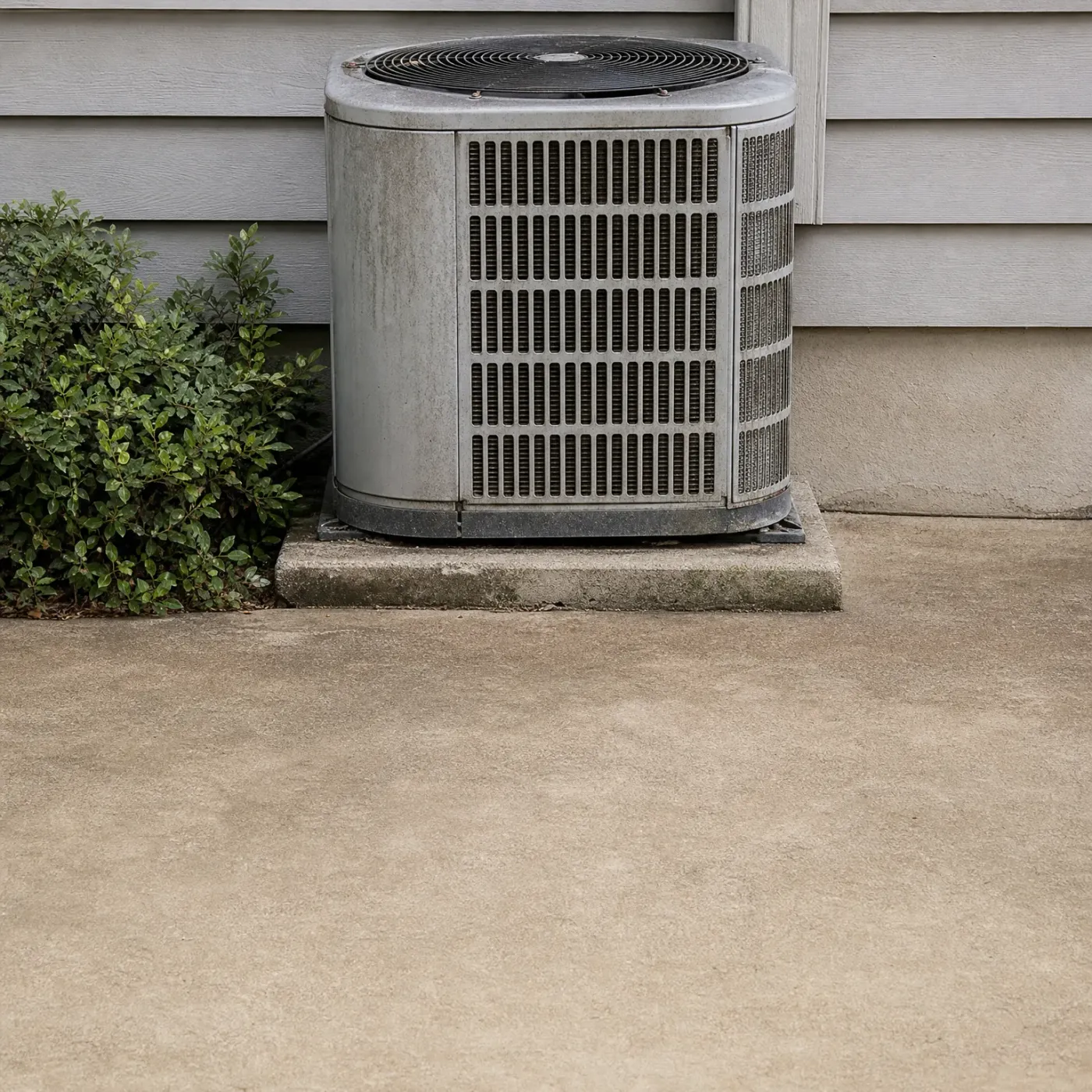
Nothing green planted near it, just bare concrete, and that's often a sign nobody's paid it much attention. A unit like this one may be running without backup heat sized to back it up, which means it falls behind the thermostat the moment a Lincoln County night drops into the teens.
A heat pump can carry a Troy house through the winter, but only with backup heat wired in and set to kick in at the right point. That's not a flaw in the equipment, it's how the system is supposed to work once outdoor air gets into the 20s and below, which is most nights here from December through February. Whether yours is set up that way is the real question, and it's not one you answer by guessing. Instead of spending an evening searching for contractors who work on heat pumps and backup heat together, calling around to see who can actually look at the setup, and explaining the same thing to each one, you can send this once. From there, finding someone to check the wiring and the settings stops being your problem to chase down. You'll know where your system stands before the next cold snap, instead of finding out the hard way at two in the morning when the backup doesn't come on.
It's off your list after this
Describe the project once instead of to every installer.