
Is a heat pump enough for winter in O'Fallon, MO
Your new heat pump project goes to an installer who works in St. Charles County.
Find a pro near meWill a heat pump keep my house warm enough in winter in O'Fallon, MO?
Winter in O'Fallon gets cold enough that you've probably heard a heat pump struggles once temperatures drop, and if you're relying on one to heat your whole house, you want to know before the cold sets in whether it's actually going to keep up or leave you reaching for space heaters. It's a fair thing to ask, since most houses around here are set up to heat with gas, not electric heat.
Yes, but it needs backup for the coldest stretches
A heat pump heats fine down into the 30s and 40s, which covers most of winter in St. Charles County. The trouble starts when the outdoor temperature drops into the teens and below, something O'Fallon sees most winters. At that point the heat pump has to work harder to pull warmth from outside air, and it loses ground. That's why most heat pump setups here pair with a gas furnace or electric backup heat that kicks in automatically on the coldest days. On its own, a heat pump without that backup will run constantly in a hard freeze and still fall short of keeping the house comfortable.
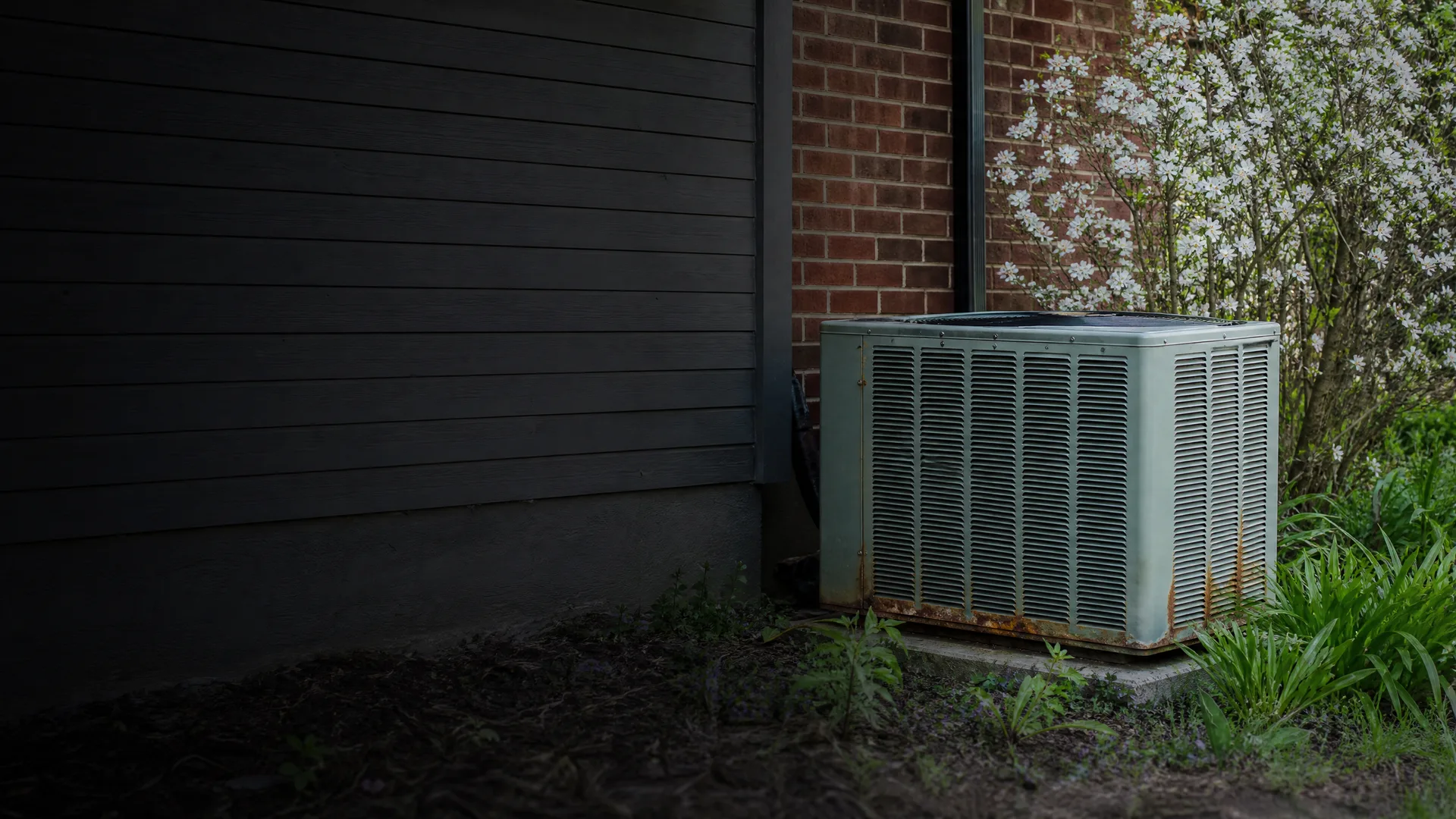
You walk out to the side yard in March to check on the unit before the warranty company comes by, and that's when you see it: rust creeping along the base of the outdoor heat pump, the metal gone soft and flaking where it meets the concrete pad. It's been running hard since November, keeping up as best it could through the cold snaps, and the rust tells you it's been sitting in water it shouldn't have. You crouch down and press a thumb to the worst spot, feel it give a little. The grass around the pad is still flattened from snow. You think about the gas furnace backup that kicked on more nights than you expected, and wonder how much longer this unit has in it.
What does winter actually ask of a heat pump here?
Winter nights average 25°F
Nights averaging 25°F mean the heat pump is pulling warmth from air that's genuinely cold, not just cool, for weeks at a stretch.
Heat runs October through April
Seven months of heat means the system leans on whatever backup it has far more than a reader in a milder state would expect.
Cooling runs May through September
Five months of cooling is the easier half of its job. Winter is where a heat pump earns its keep or falls short.
NOAA nClimDiv 1991-2020

The heat pump pulls heat out of the outside air, even when it's cold.
A reversing valve switches the system from cooling mode into heating mode.
Refrigerant carries that heat inside and releases it through the indoor coil.
Below a certain outdoor temperature, the heat pump can't keep up alone.
Heat Pump Alone or Paired With Gas
Heat pump alone
- The outdoor unit keeps pulling heat from the air even on nights near 25°F, but it works harder and moves less heat per hour as it gets colder.
- Most heat pumps here pair with electric backup heat that kicks in below a certain temperature, and that backup costs more to run than the heat pump itself.
- If the backup heat is sized small, the house may fall a few degrees short of the thermostat setting on the coldest stretches of January.
- Power here is cheap, which takes some of the sting out of running electric backup through a cold snap.
- A heat pump with no backup heat at all, or a failing one, will lose the fight on the coldest nights and the house will feel it.
Heat pump plus gas furnace
- The furnace takes over once outdoor temperatures drop too low for the heat pump to keep up, so the house never relies on electric resistance heat to close the gap.
- Gas furnaces push warmer air out of the vents than electric backup does, so the house heats back up faster after the thermostat calls for more.
- Most homes in the area already heat with gas, so the furnace side of this setup runs on an energy source that is common and familiar here.
- The switch between the heat pump and the furnace happens automatically, timed to outdoor temperature rather than anything you have to manage.
- This setup costs more upfront than a heat pump alone because it means installing and maintaining two heating systems instead of one.




A local pro for your heat pump installation
A heat pump can carry a house through an O'Fallon winter, but whether yours is set up to do it well is a different question than whether the technology works. That depends on the backup heat being sized right, the system being charged correctly, and the thermostat settings matching how your particular unit handles cold air. Most homeowners don't know how to check any of that, and guessing wrong means either a cold house in January or an electric bill that climbs every time the temperature drops. Instead of researching heat pump specs or calling around to find someone who'll give you a straight answer, you can have a contractor who installs these systems in St. Charles County look at your setup directly. They'll know what's normal for a heat pump here and what isn't, and whether what you have now is doing what it should. That's a faster way to get an answer than trying to piece one together yourself.
At 25°F, a heat pump still pulls heat from the outside air, but it moves less of it per hour than it would at 45°F.
That's why the backup heat matters as much as the heat pump itself once an O'Fallon winter settles in for the night.


A heat pump can heat an O'Fallon house through the winter, but only when the backup heat and the sizing and the charge are all doing their part. Any one of those off, and the system leans harder on backup heat than it should, and the power bill shows it. That's the whole answer: the technology works here, the setup around it is what decides whether it works for you. Figuring that out on your own means calling around to contractors, explaining the same symptoms to each one, and then sitting with a stack of quotes trying to tell a fair price from a guess. You don't have to sort that out yourself. Answer a few questions about your system and your house, and a contractor who works on heat pumps in St. Charles County will reach out to look at what you actually have, not a general case. You'll know where your system stands, and what it would take to get it right if it isn't.

Heat Pump Installation
Get the right pro for your heat pump

- A local installer who puts in heat pumps gets your project.
- Your request goes to a St. Charles County pro who takes heat pump jobs.

- Send the form and the search for an installer is over.
- Send the form and stop researching installers for the new heat pump.
- Skip collecting and comparing quotes for the new heat pump.
- Answer a few questions instead of calling shop after shop.

- One installer gets your project, so there's no bidding war over it.
- A licensed installer who works in St. Charles County gets your project.