
Heat pump running all the time in Washington, MO
Why does my heat pump run all the time in winter?
Your heat pump has been running nonstop since the cold set in, and you're wondering if that's normal or if something's wrong. In Franklin County, winters get cold enough that your system works hard for months at a time, and most homes here heat with electricity, so you're watching that unit run and wondering what it's doing to your bill and whether it's about to fail on you.
A heat pump running constantly in cold weather is usually doing its job, not failing
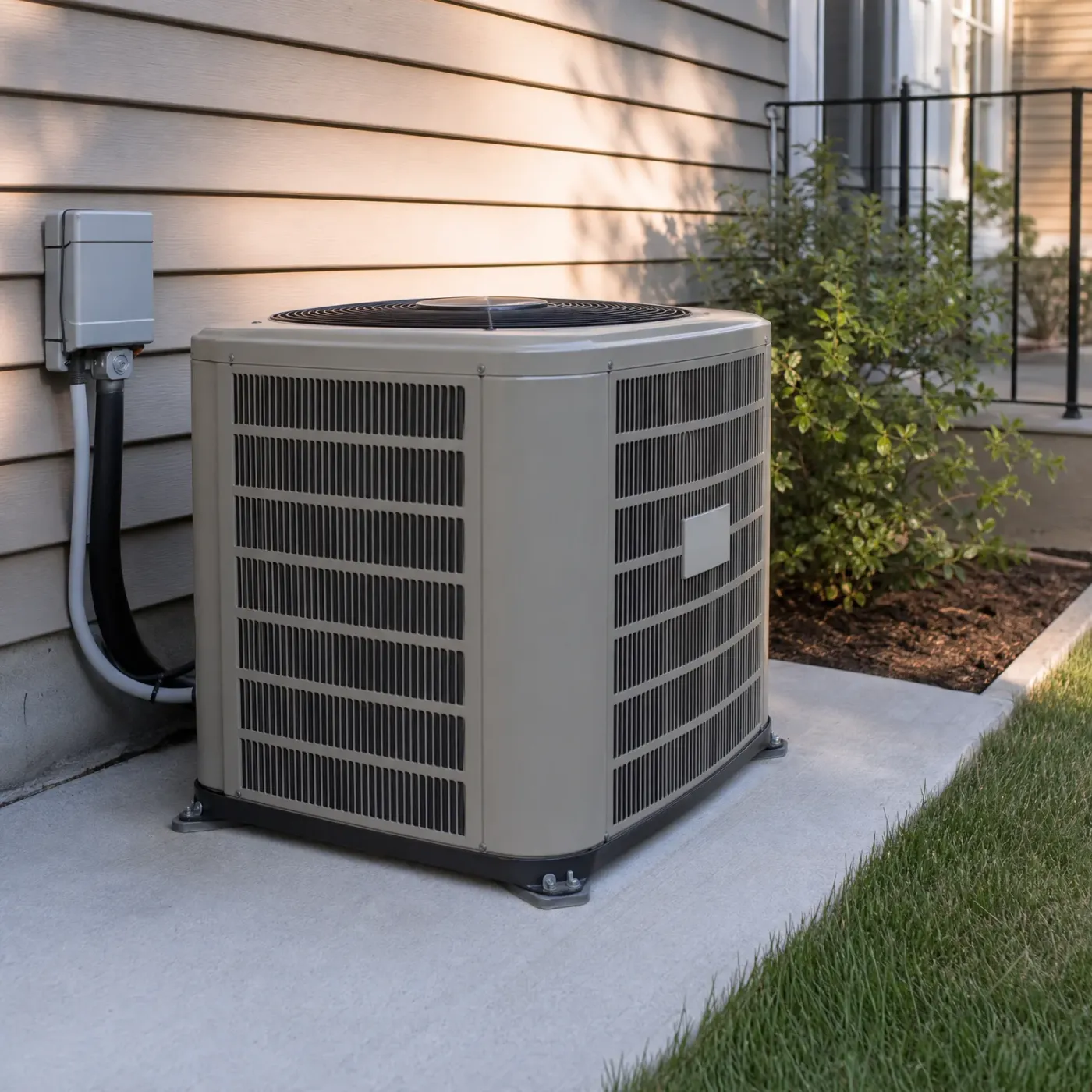
A heat pump moves heat from outside air into your house, and the colder it gets outside, the longer it has to run to keep up. Below freezing, most heat pumps run nearly nonstop because there's less heat in the outside air to pull from. That's normal here through the coldest stretches of winter. What's not normal is the house still feeling cold while it runs, ice building up heavily on the outdoor unit, or the backup heat kicking on constantly. If the air coming out feels cool rather than warm, or the system cycles on and off rapidly instead of running steady, that points to low refrigerant, a failing component, or a system that was sized wrong for your house. Long runtime by itself isn't the problem to watch for.




Is my heat pump running too much, or is it just winter?
You notice it when the outdoor unit never shuts off, or when the house still feels cool even with the thermostat set where you like it. Maybe the air coming out of the vents feels cooler than usual, or you catch the system switching into a different sound, a deeper hum, as backup heat kicks in. Your electric bill climbing is another sign, especially if it jumps more than you'd expect for how cold it's been. Some of this is just how a heat pump works on a hard winter day. But if the house won't hold its temperature, or the unit runs constantly without ever catching up, that points to something making it work harder than it should, and left alone, it can mean higher bills all winter and more strain on a system that still has to get you through the cold months ahead.
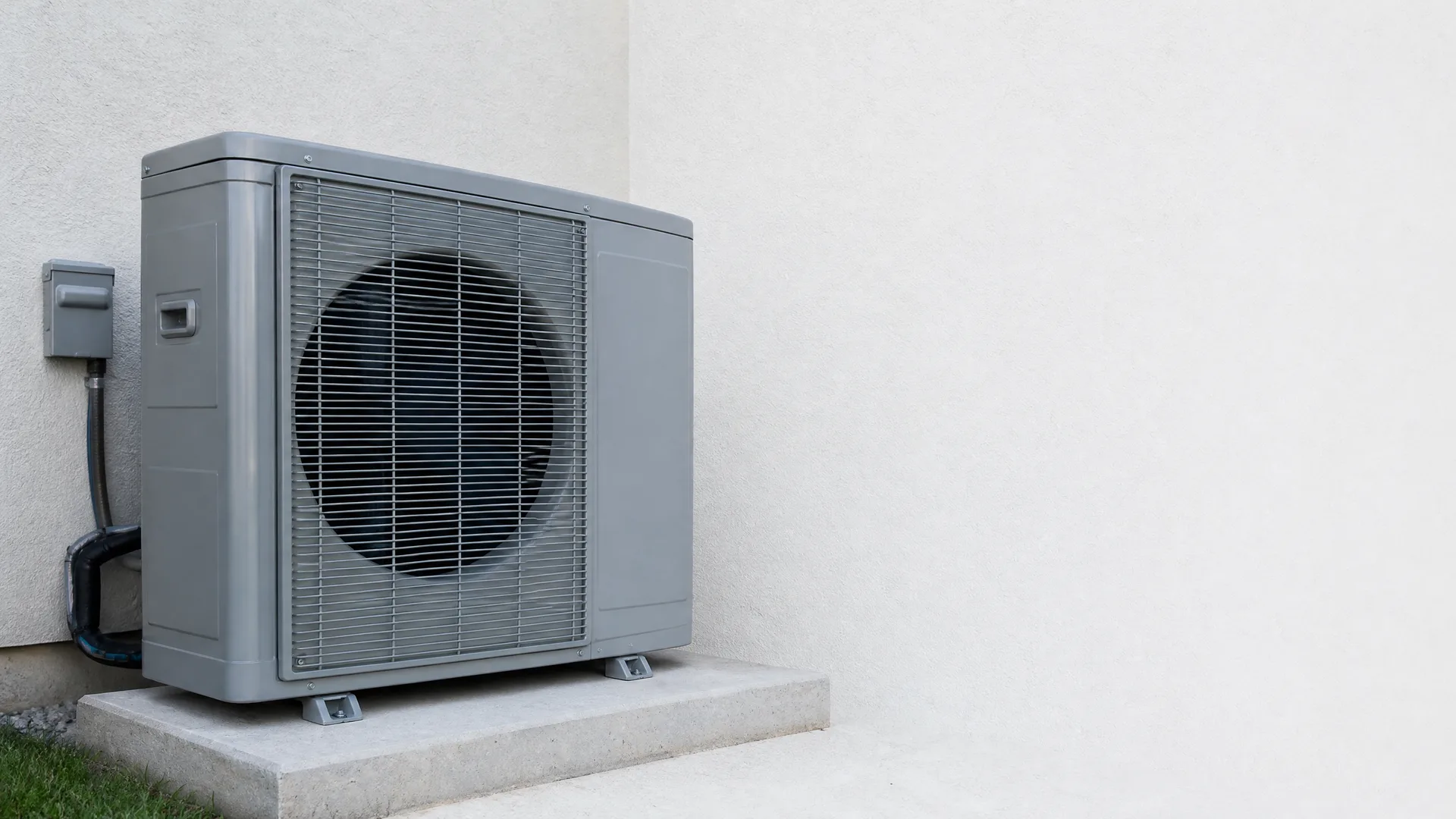
How a heat pump makes heat
A heat pump doesn't burn anything to make heat. It pulls heat out of the outside air, even cold air, and moves it inside. When it's 20 degrees out, there's less heat out there to grab, so the system has to run longer to move the same amount into your house. That's why long run times in a Franklin County cold snap don't by themselves mean something's wrong. The unit is doing what it's built to do, just working harder at it.
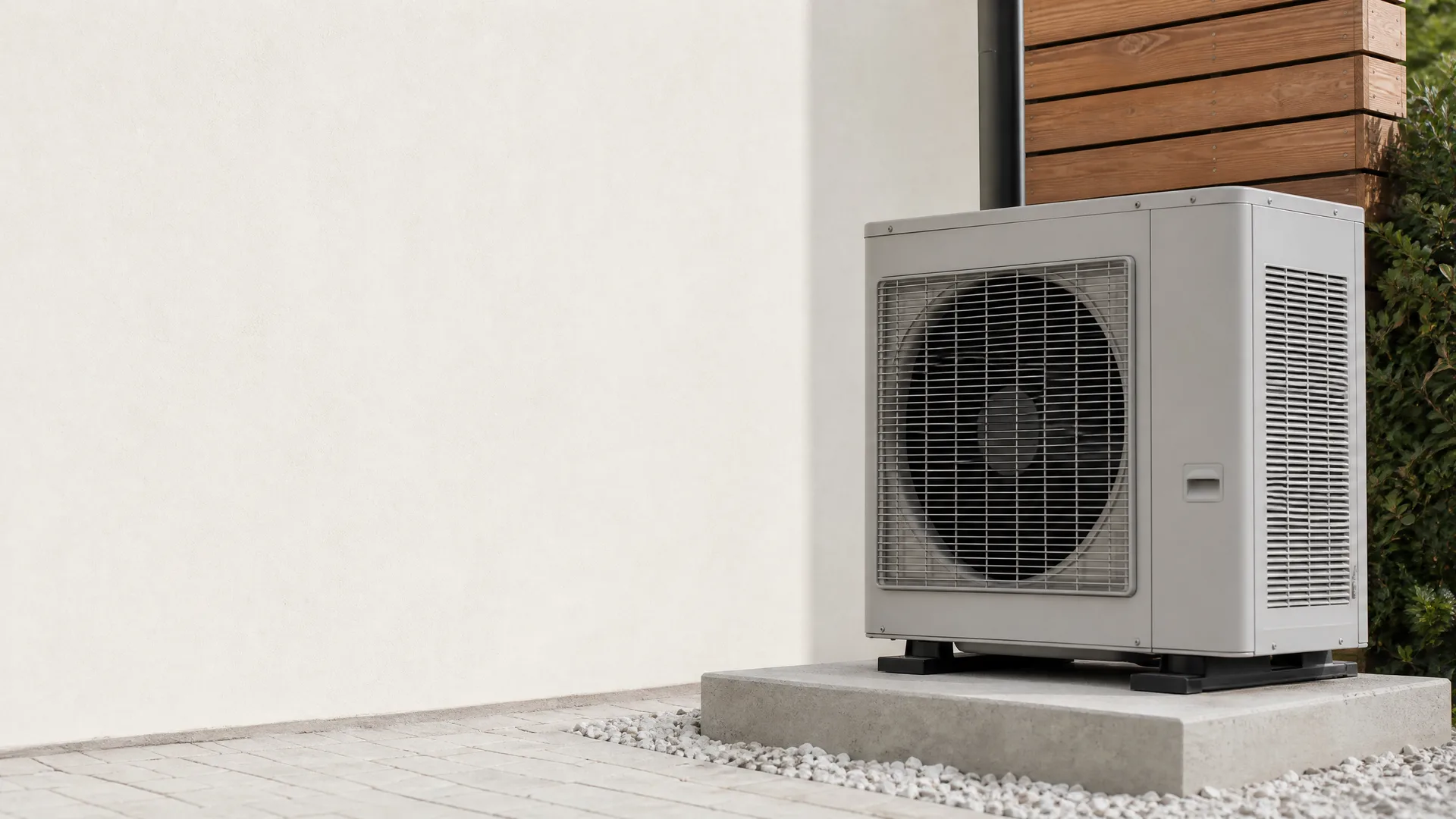
When the backup heat kicks in
Most heat pumps here have an electric backup, often called auxiliary or emergency heat, that switches on when the outdoor temperature drops low enough that the heat pump alone can't keep up. You may notice the vents blowing warmer air, or the outdoor unit cycling differently, when this happens. It's built to run on the coldest days of the year. If it's running when temperatures are mild, or running constantly instead of cycling, that's worth having a contractor look at.
Normal Winter Workload or a Problem
Normal for winter
- Your heat pump runs long stretches, sometimes most of the day, when it's in the 20s or colder outside.
- The house still holds the temperature you set, even if the air at the vents feels cooler than it does in July.
- Frost builds up on the outdoor unit, then clears on its own a few times a day as the system defrosts itself.
- Backup heat kicks in during the coldest stretches, and you notice the vents running warmer for a while when it does.
- Your power bill runs higher in January than in April, because the system is working harder to pull heat from cold air.
Needs a look
- The outdoor unit never cycles off at all, even on a milder day in the 40s or 50s.
- The house keeps losing ground on temperature no matter how long the system runs or how high you set the thermostat.
- Ice builds up on the outdoor unit and doesn't clear, or the coil stays frosted over for hours at a time.
- Backup heat is running most of the time instead of kicking in occasionally during the coldest hours.
- You hear the outdoor unit short cycling, turning on and off every few minutes instead of settling into a steady run.
- Your power bill has jumped well beyond what past cold snaps have cost you, with no change in how you're using the thermostat.
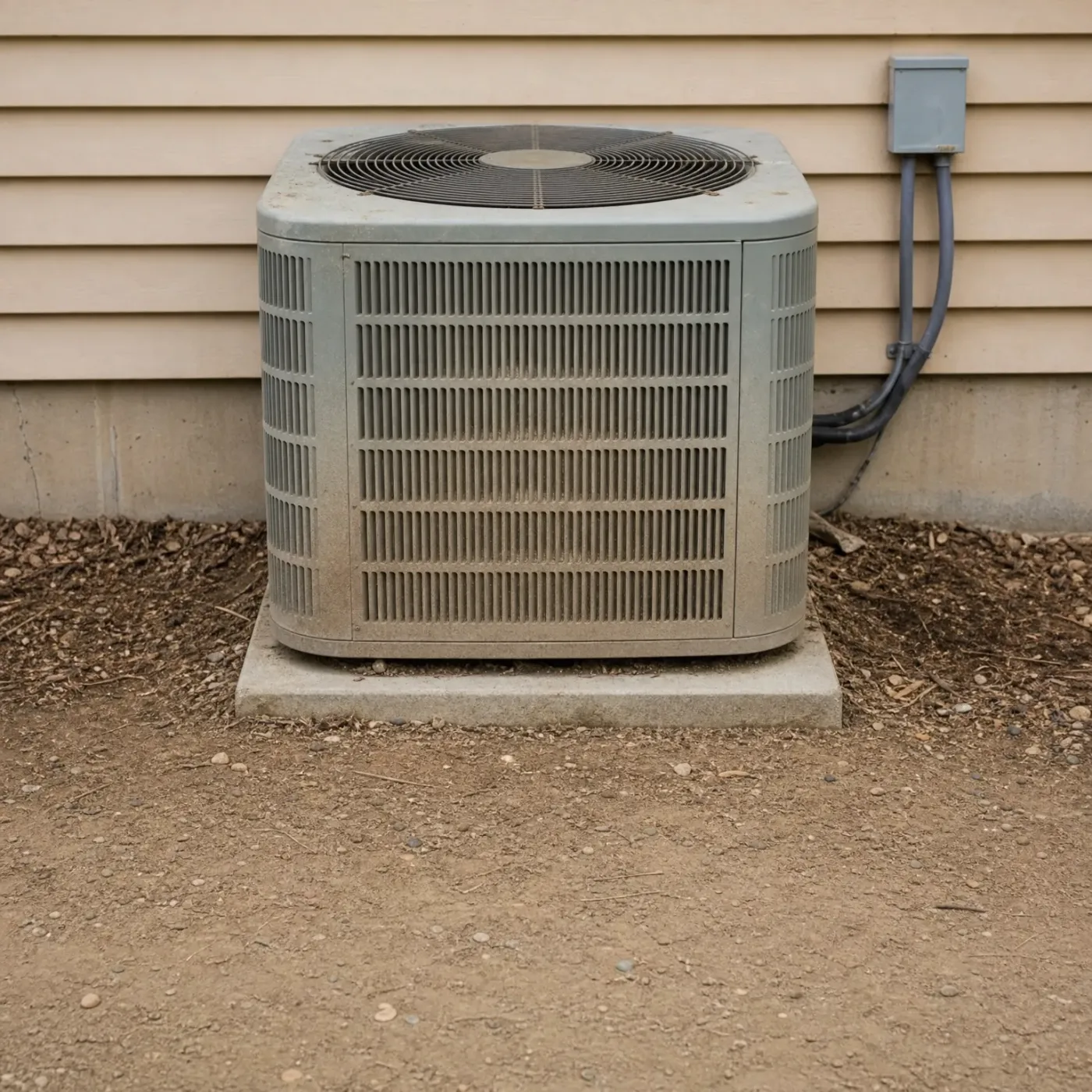
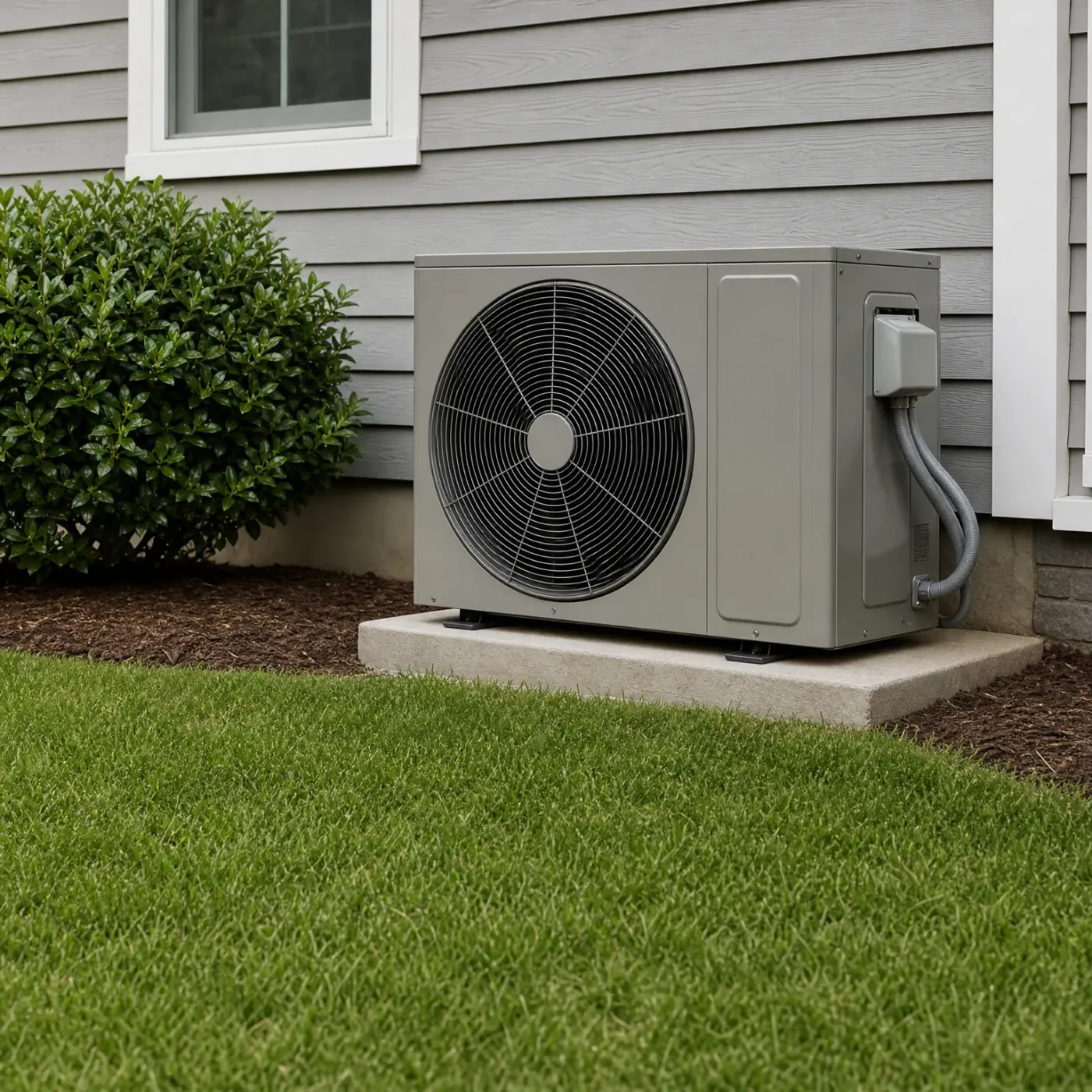
Hand off the heat pump problem

A licensed pro who repairs heat pumps in Franklin County gets your request.
You're not committing to anything by asking.
Keep running it and watch the bill
A heat pump that's low on charge or losing the fight against a bad defrost board will keep running, just less effectively, while you pay for every one of those extra hours. The problem doesn't fix itself, and it rarely runs cheaper the longer you wait.
How cold does it actually get here, and how long does the heat run?
Winter nights average 24°F
Overnight lows in December, January and February average 24°F here. That's cold enough that your heat pump leans on its backup heat more than a few nights a year.
Heat runs October through April
Heat runs about seven months here, October through April. That's most of the year your outdoor unit is working, not just a few cold snaps.
Cooling runs May through September
Cooling only runs about five months, May through September. Your heat pump spends more of the year heating than cooling, which is why winter wear shows up first.
NOAA nClimDiv 1991-2020
What to do from here
- Long run times in a Franklin County winter are normal; a system that never catches up to the thermostat setting is not.
- A heat pump stuck on backup heat for days at a stretch, instead of just the coldest nights, usually points to a real problem.
- Frost that melts off during the defrost cycle is fine; frost or ice that builds up and stays is a sign something needs attention.
- A local contractor who services heat pumps all winter has a good idea what's failing just from how yours is behaving.
- Working with one licensed contractor means a single visit and a straight answer instead of juggling calls from several companies.
- Catching a low charge or a stuck defrost board now keeps a long run time from turning into a bigger repair later.
Long run times by themselves don't mean much here. A heat pump in Franklin County is built to work hard once the temperature drops into the 20s, and it will lean on backup heat on the coldest nights. What matters is whether the house actually gets warm and stays there. If the thermostat says 70 and the house sits at 66 no matter how long the system runs, or if it's been stuck on backup heat for days instead of just the hardest nights, that's not winter doing its job. That's a part failing somewhere, whether it's losing refrigerant charge or a defrost board that's stopped cycling the way it should.
A contractor who works on heat pumps through a Franklin County winter has seen this pattern before and usually has a good guess what's wrong before they even open the cabinet. You'll get matched with one licensed contractor, not a handful of companies competing for the job, so there's one visit to schedule and one straight answer about what's going on with your system.
None of this fixes itself by waiting. A system working harder than it should keeps costing you for every hour it runs, and a small issue like a low charge tends to turn into a bigger one the longer it sits. If what your heat pump is doing matches the normal list, there's nothing to do but let it work. If it doesn't, the sooner someone looks at it, the smaller the fix usually is.
Send one request and you're done looking
Your request goes to one pro, not a list of companies.
It costs nothing to send, and you don't have to hire anyone.