Tell us about the job
Takes about a minute. No obligation.
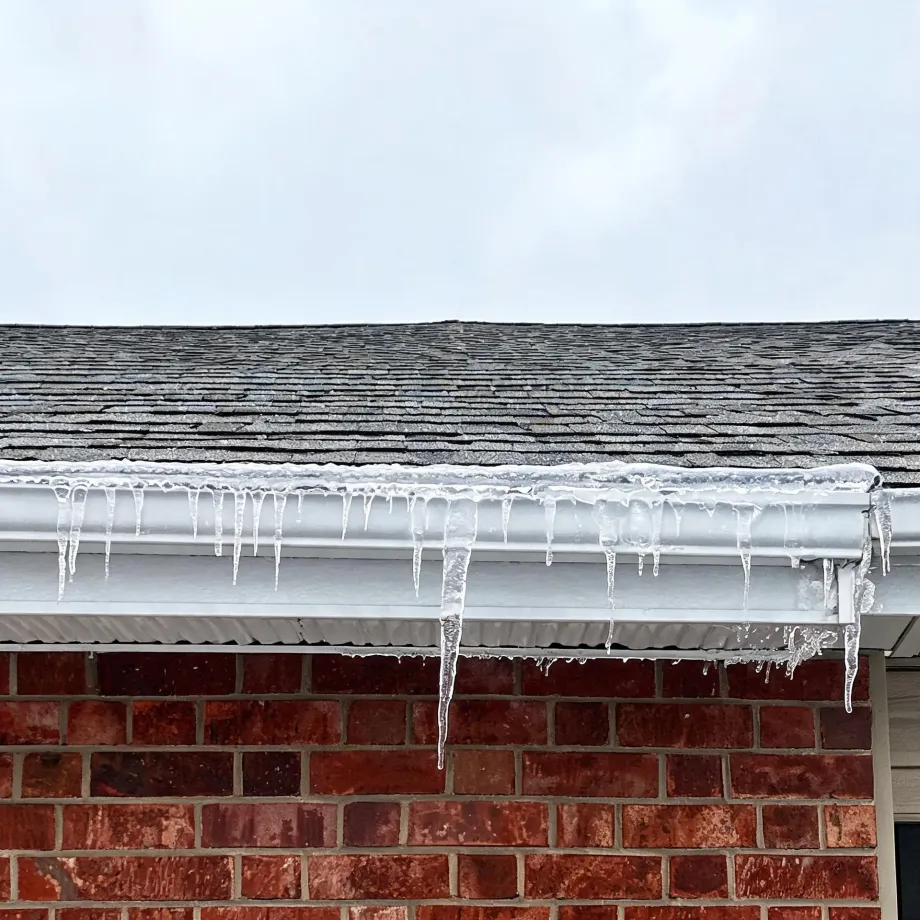
Sizing a heat pump for DeKalb County starts with what the heating season actually demands. Homes in DeKalb County, MO run heat about seven months a year, from October through April. As outdoor temperatures drop through that stretch, a heat pump's ability to pull heat from the air falls with them. A contractor has to calculate how far capacity drops at the coldest points, then match the backup heating element to cover what the heat pump cannot. Install the primary unit too small and the backup runs constantly, driving up operating costs. Get the sizing right from the start and the system handles the full season the way it was designed to.
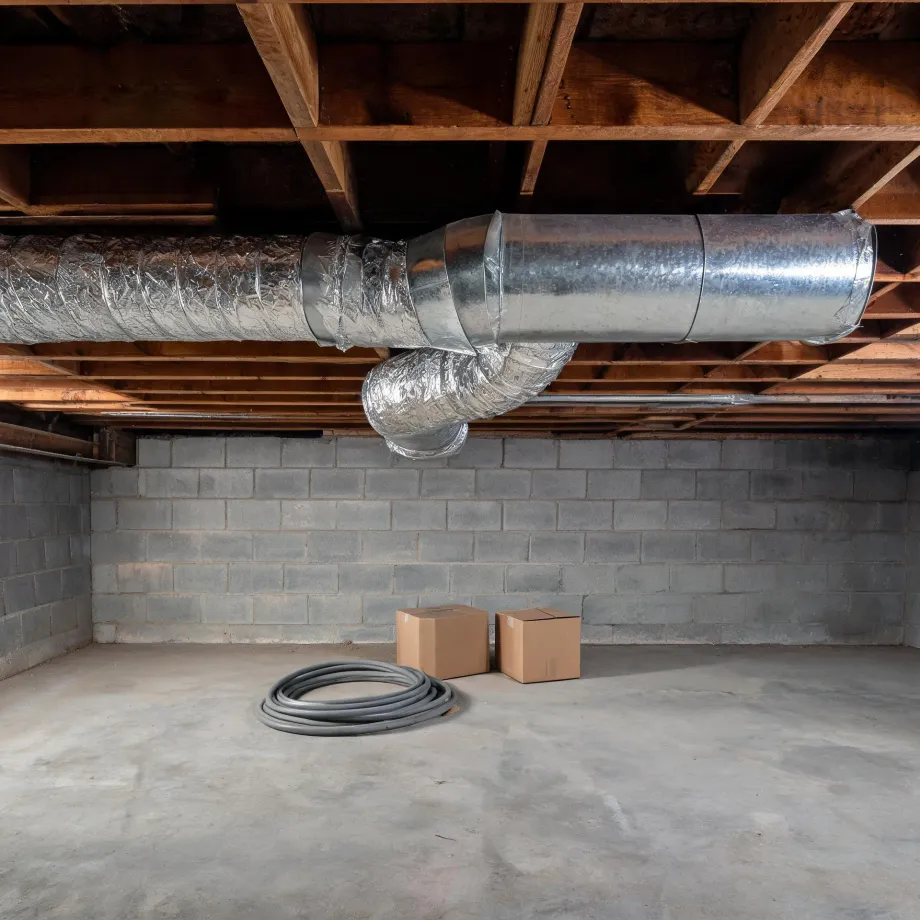
Ductwork sized and sealed for an older forced-air system does not automatically suit what a heat pump needs to move air efficiently through the house. Half the homes in DeKalb County, Missouri were built in 1982 or earlier (2020-2024 ACS 5-year). That spread matters for installation because a contractor quoting the job has to assess what is in the walls and crawlspaces before the equipment selection makes sense. If the existing duct runs are undersized or poorly sealed, the new unit is priced after the duct work is priced, not before.
What a Heat Pump Installation Covers
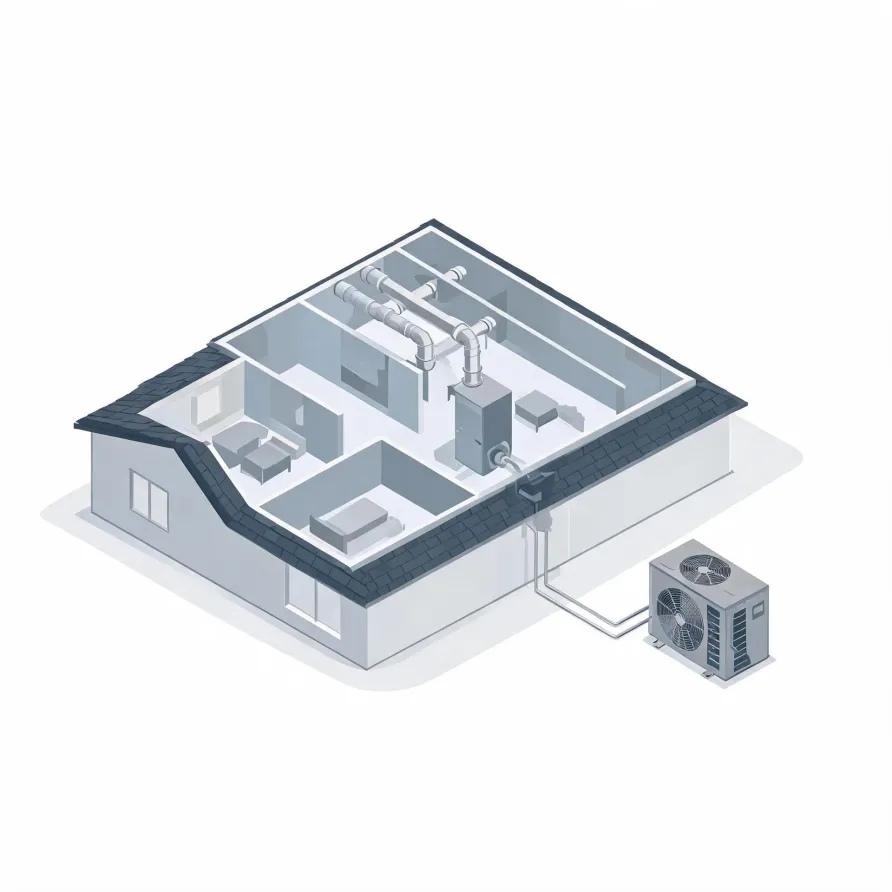
The outdoor unit sits on a pad outside the house and holds the compressor and the condenser coil, which together move heat between the refrigerant and the outside air. Inside, the air handler mounts in a closet, attic, or utility room and pushes conditioned air through the home. These two units are what a new installation puts in place.
A copper refrigerant line set runs between the outdoor unit and the air handler, carrying refrigerant back and forth as the system operates. A condensate drain line runs from the air handler to carry away moisture, and a thermostat mounts on an interior wall to control the whole system.
The drawing shows a typical layout, and a licensed contractor determines what the installation looks like for this specific house.
Find a contractor in DeKalb CountyDeKalb County, by the numbers
45 severe weather events were recorded in DeKalb County, Missouri between 2015 and 2024.
NOAA National Centers for Environmental Information, Storm Events Database, bulk CSV export, events 2015-01-01 through 2024-12-31.Half the homes in DeKalb County, Missouri were built in 1982 or earlier (2020-2024 ACS 5-year).
U.S. Census Bureau, 2020-2024 American Community Survey 5-Year EstimatesDeKalb County, Missouri holds 4,270 housing units (2020-2024 ACS 5-year).
U.S. Census Bureau, 2020-2024 American Community Survey 5-Year EstimatesOwners occupy 71.1% of the occupied homes in DeKalb County, Missouri (2020-2024 ACS 5-year).
U.S. Census Bureau, 2020-2024 American Community Survey 5-Year EstimatesSevere Weather Events in DeKalb County
Weather puts a load on heating and cooling equipment, and that load is set by local conditions, not state averages. A heat pump sized and installed for what DeKalb County actually sees will perform differently than one spec'd for somewhere else.
45 severe weather events, 2015–2024. Source: NOAA National Centers for Environmental Information, Storm Events Database.