

Is a dual fuel heat pump worth it in Missouri

Step 1 of 3: Equipment

A dual fuel setup usually makes sense where gas is cheap, but in Missouri, power is the cheap fuel. That flips the usual math. Dual fuel pairs your heat pump with a gas furnace that takes over once outdoor temperatures drop low enough that the heat pump starts losing efficiency, typically somewhere in the 30s. Where gas rates are low, that switch saves money. Where electricity is the better deal, as it is across most of Missouri, your heat pump can often carry the load itself longer than it would elsewhere, and the furnace becomes more of a backup for the coldest stretches than a cost-saving partner. It still earns its keep on the hardest winter days, when a heat pump alone would run constantly and still fall behind. Whether adding one is worth it for you depends on your current furnace, your electric rate, and how cold your winters actually get.

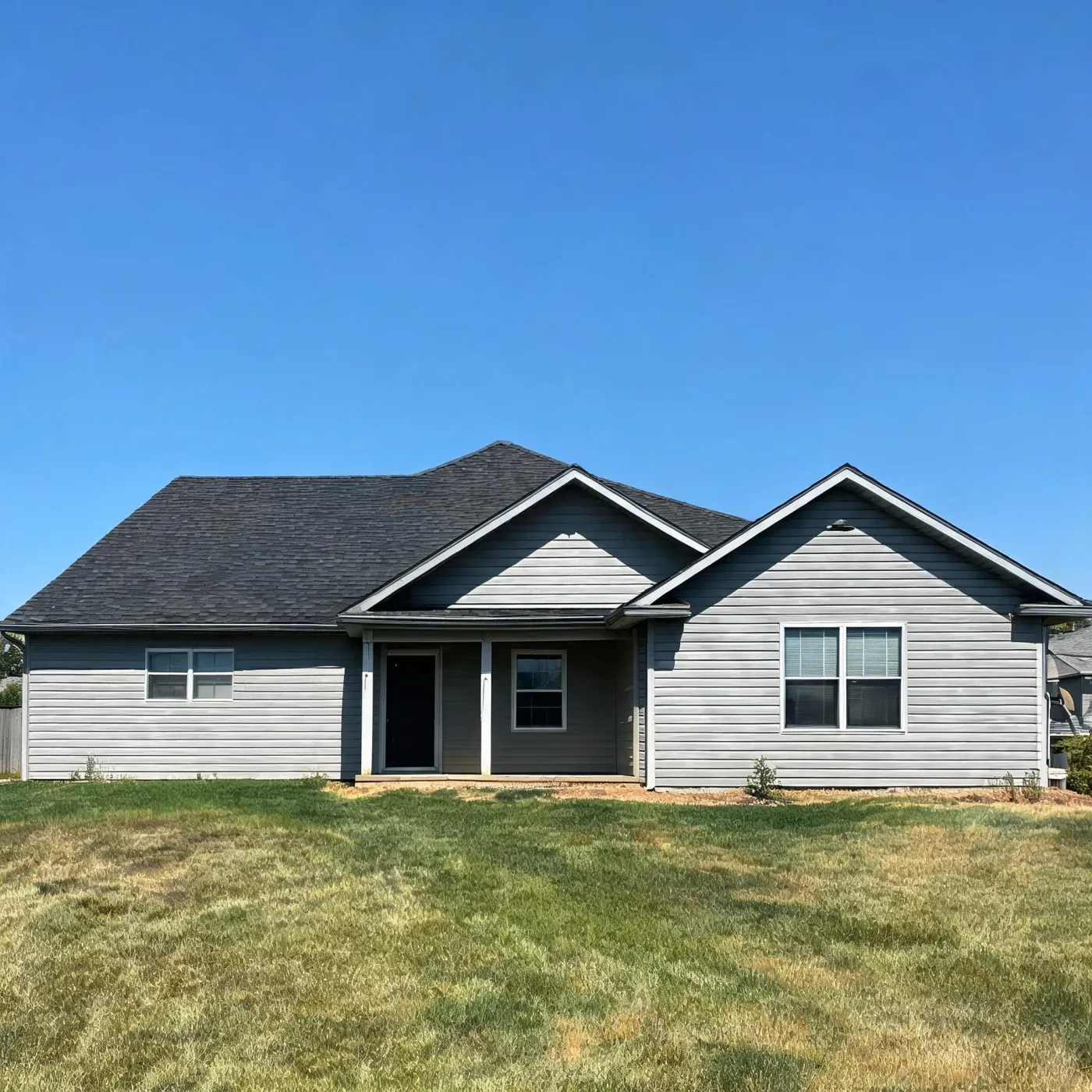
Single-story house with gray horizontal lap siding, dark shingled gable roof, a small covered front porch with a dark door, and windows, set behind a patchy green and brown lawn under a clear blue sky.

That same heat pump is also your air conditioner, and this is where the gas furnace in a dual fuel setup stays out of the picture entirely. Summer dew points here average 66°F, according to NOAA climate data, which is the sticky, heavy-air kind of muggy. Your heat pump has to pull that moisture out of the air, not just cool it, and that's steady work across a long Missouri summer. A unit sized and matched right handles both jobs, moisture and temperature, without running longer than it should. One that isn't will leave the house feeling damp even when the thermostat says it's cool enough.

NASA POWER T2MDEW county cells weighted by homes

A man seen from behind raises his hand to wave at a woman standing in the open front doorway of a single-story house with gray shingle siding, white columns and a gabled porch entry.

What this looks like in your house

If your furnace runs on gas, a dual fuel setup leaves it right where it is. The heat pump handles the mild stretches, which in Missouri is most of the heating season, and the furnace only fires up on the coldest mornings when a heat pump alone would struggle to keep the house at temperature. You keep the gas line you already have and the comfort of a furnace that can push out hot air fast when it's in the teens outside.

Where this matters most is on a system that's already mismatched or aging. A heat pump paired with an oversized or undersized furnace, or ductwork that was never balanced for two heat sources, won't deliver what it should. If you're not sure whether your setup is actually working together the way it's supposed to, a contractor who installs dual fuel systems in your area can look at what you have and tell you straight whether it's worth changing. Once you send that along, you're not the one tracking down who does this kind of work anymore.

A gray upholstered sofa with a textured cushion sits beside a dark round side table holding a vase of green foliage, with a table lamp and sheer-curtained window behind.
  1. Thermostat calls for heat and signals the system's control board.

  2. Control board checks outdoor temperature against the set switchover point.

  3. Above that point, the heat pump alone pulls heat from outside air.

  4. Below it, the board shuts down the heat pump and fires the furnace.

How does the system decide when to switch from the heat pump to the furnace?

You already know the furnace kicks in when it gets cold enough. What you want to know is what actually triggers that, because it matters for how the system is set up in your house. Is it a thermostat setting, something on the furnace itself, or does the heat pump just give up at some point on its own.

A set outdoor temperature, chosen when the system is installed

The switchover point is a temperature a contractor sets in the control board when the system goes in, not something the heat pump decides on the fly. Once outdoor air drops to that point, the board hands heating over to the furnace. Where that point gets set depends on your house and your heat pump's output, which is why it's worth asking the contractor who installs it how they arrived at the number for your setup rather than leaving it at a factory default. Set it too high and the furnace runs more than it needs to. Set it too low and the heat pump keeps working past where it's still doing the job well.

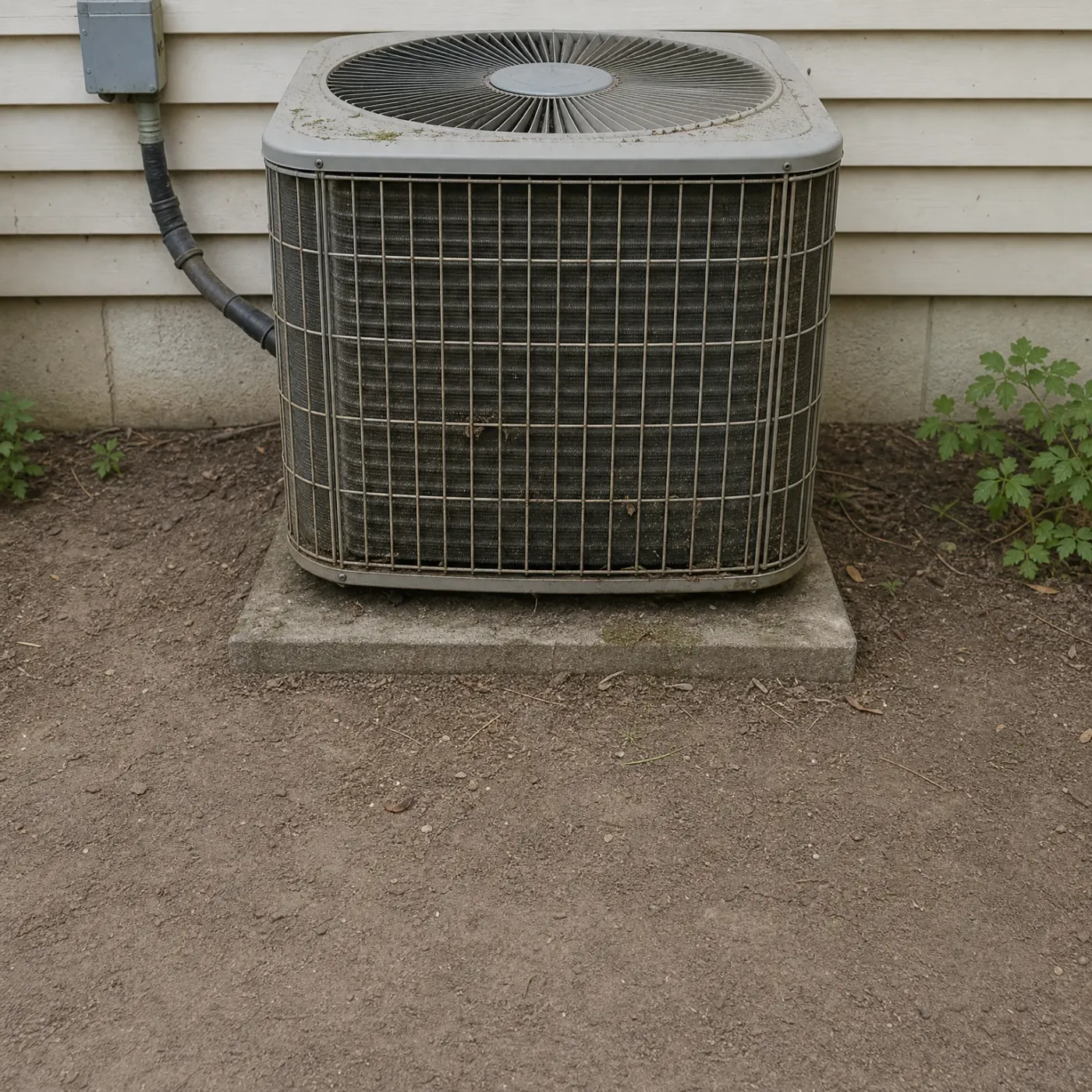
An outdoor air conditioning condenser unit on a concrete pad beside a house with light horizontal siding and a concrete block foundation, with bare soil and small green plants around it.
Before you get your heat pump installation
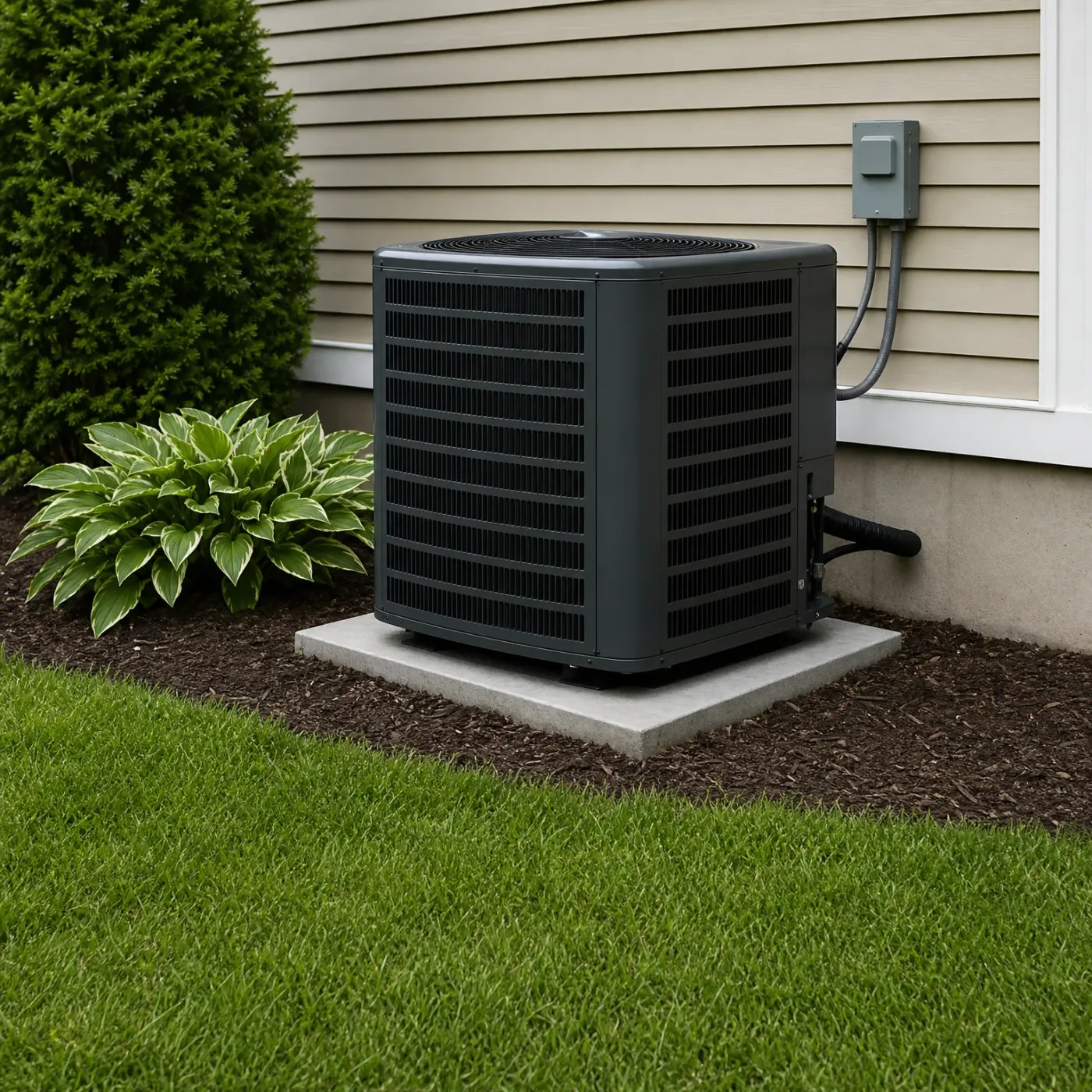
A dark gray outdoor condenser unit on a concrete pad beside a house with beige horizontal siding, with a gray electrical disconnect box and conduit on the wall, mulch beds, a hosta plant, a shrub, and mowed lawn in front.
After you get your heat pump installation
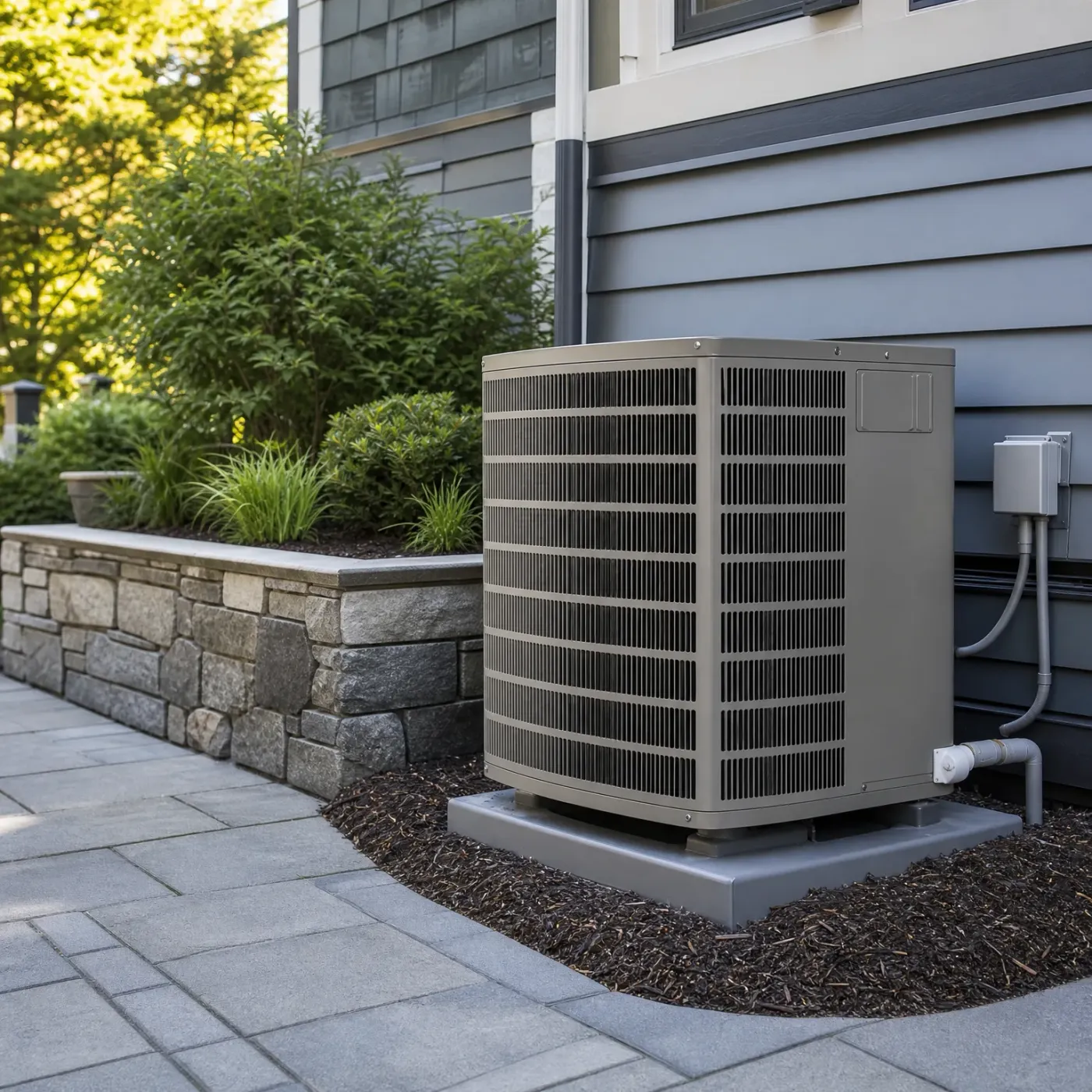
A beige outdoor condenser unit on a gray pad beside a house with gray horizontal siding, with refrigerant lines and an electrical disconnect box on the wall, bordered by dark mulch, a stone retaining wall with shrubs, and a paver walkway.

A local pro for your heat pump installation

Once you send the form, finding a pro is off your list.

A local installer who puts in heat pumps gets your project.

Find a heat pump pro

Sending the form costs nothing.

Power costs 13.30 cents per kilowatt-hour statewide

At 13.30 cents per kilowatt-hour, running your heat pump on electricity alone through most of the winter costs less here than it would almost anywhere else. That's what makes leaning on it so hard before the furnace ever has to fire.

EIA-861 2025 statewide residential average

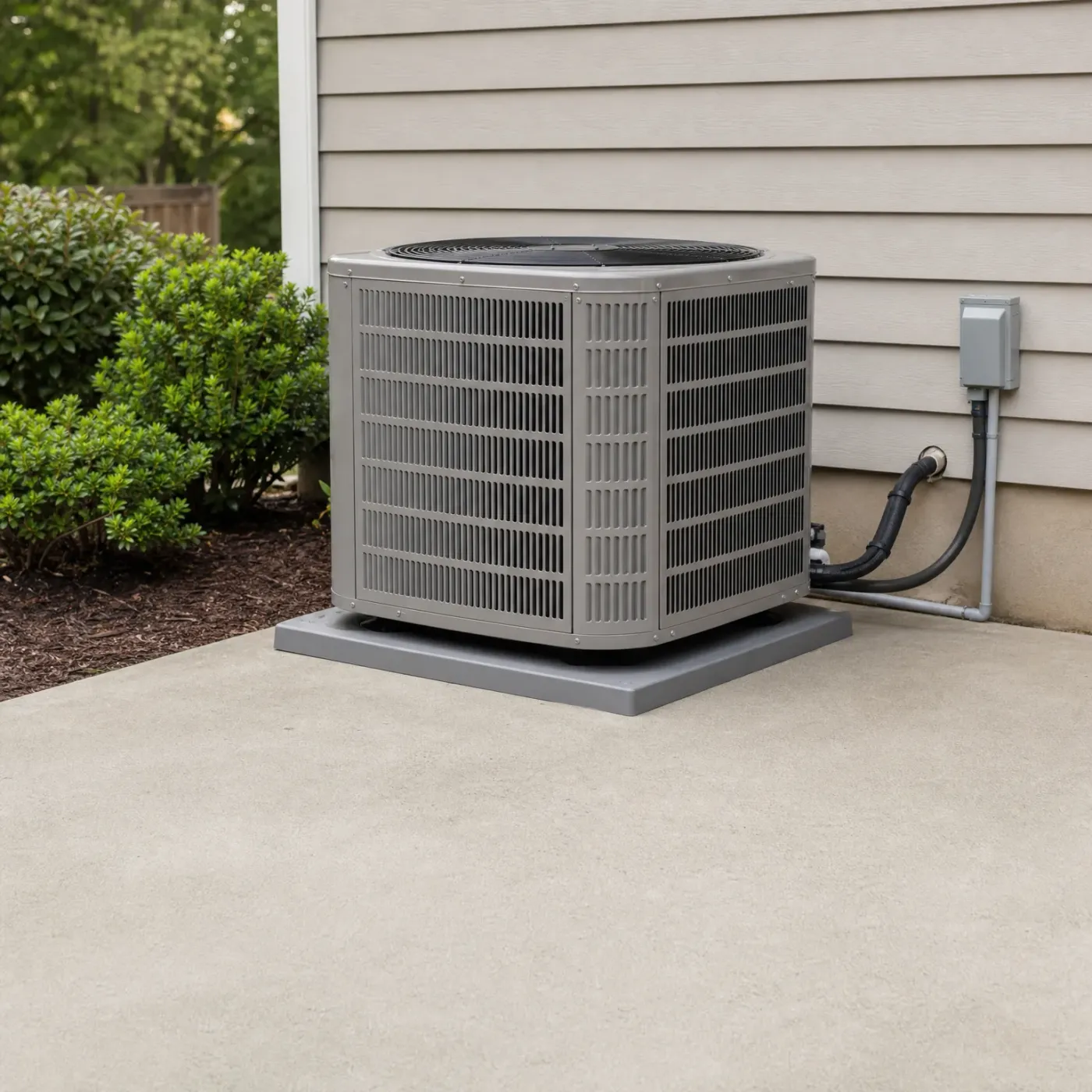
A gray outdoor condenser unit on a raised pad beside a house with horizontal lap siding, with refrigerant lines, conduit and an electrical disconnect box on the wall, and shrubs on a mulch bed to the left.

Heat pump, well kept

This is your heat pump carrying the load, and in Missouri it does that most of the year. Clear the grille, keep the pad level, and it pulls double duty, cooling through the sticky months and handling heat down to the switchover point without the furnace ever firing.
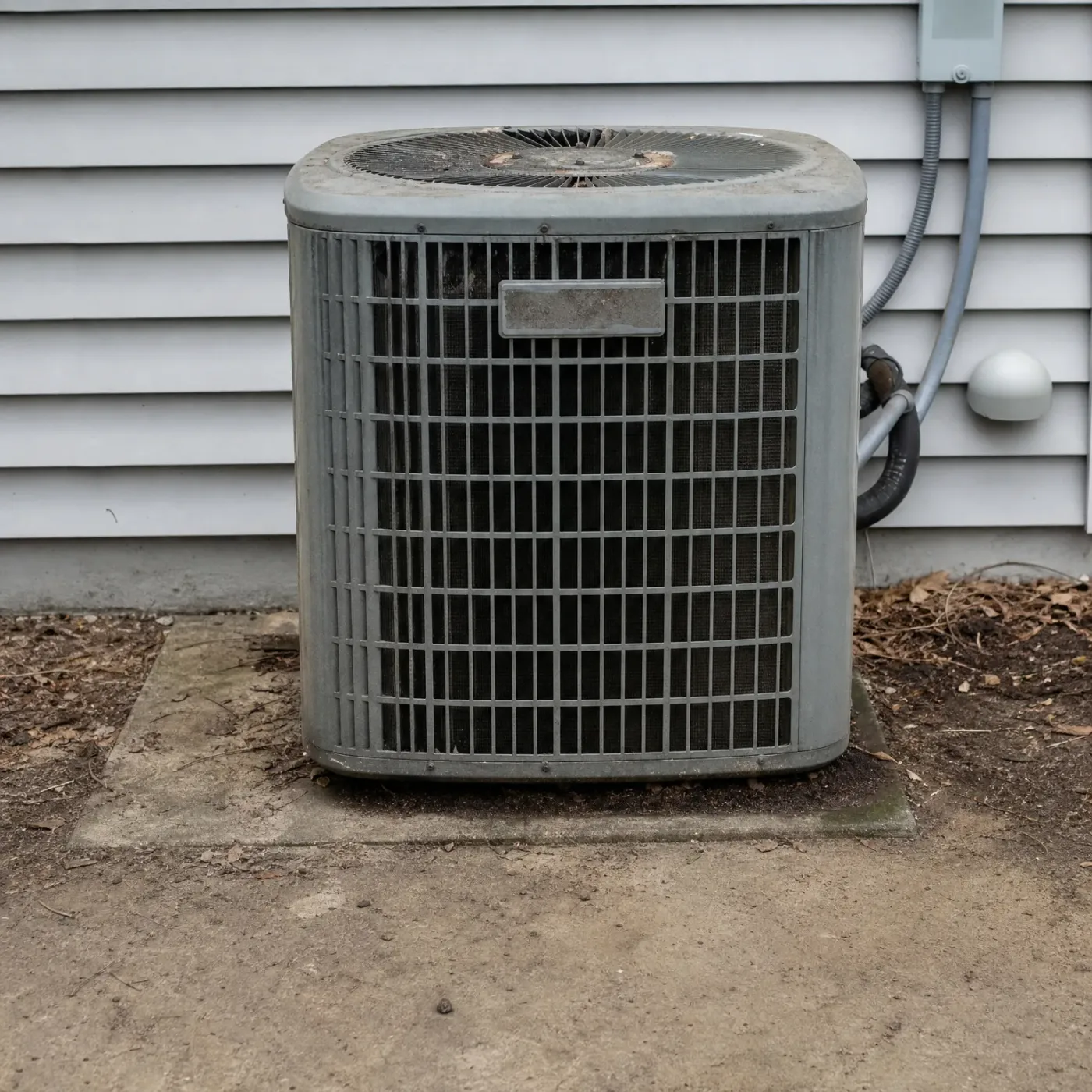

A weathered gray outdoor condenser unit on a concrete pad beside a house with horizontal vinyl siding, with conduit, refrigerant lines, and an electrical disconnect box on the wall behind it.

Heat pump, neglected

Dust caked on the grille and leaves piled against the base choke the airflow this unit depends on. A heat pump working that hard against buildup pulls more power to do the same job, and in a dual fuel setup it also means the furnace ends up carrying more than it should.

A woman wrapped in a thick beige fleece blanket sits on a sofa with an open book on her lap, beside a lit table lamp, with a frost-covered window behind her.
A gray-haired woman in a cream knit sweater stands in a dimly lit kitchen at night, looking to her right, with a round loaf of bread in the foreground and a dark window and potted plant behind her.

Keep the gas furnace, and it sits idle through most of the winter since the heat pump covers those temperatures on its own. It still gets its few cold mornings a year, which is enough to keep it from seizing up with disuse.

Skip dual fuel, and the heat pump has to keep pulling heat from outside air once temperatures drop well below where it runs efficiently. The electric strips behind it pick up the difference, and that's the expensive way to heat a house in Missouri.

A gray-haired bearded man in a dark coat and scarf dusted with snow stands smiling in a dimly lit entryway with a white front door, a side table with a lit lamp, an oval mirror, and a patterned rug.
An older bearded man in a dark snow-dusted coat and gray scarf stands just inside a dimly lit home entry, with a framed picture, lit table lamp, and an adjoining room with a fireplace behind him, and snow visible through the open door.
A gray-haired, bearded man in a dark snow-dusted coat stands smiling in a dimly lit entry hall with a staircase, a lit table lamp, a framed picture, and a living room visible through a doorway.
An older man with gray hair and a beard, wearing a dark jacket dusted with snow, stands smiling in a dimly lit hallway with lamps and a living room visible behind him.
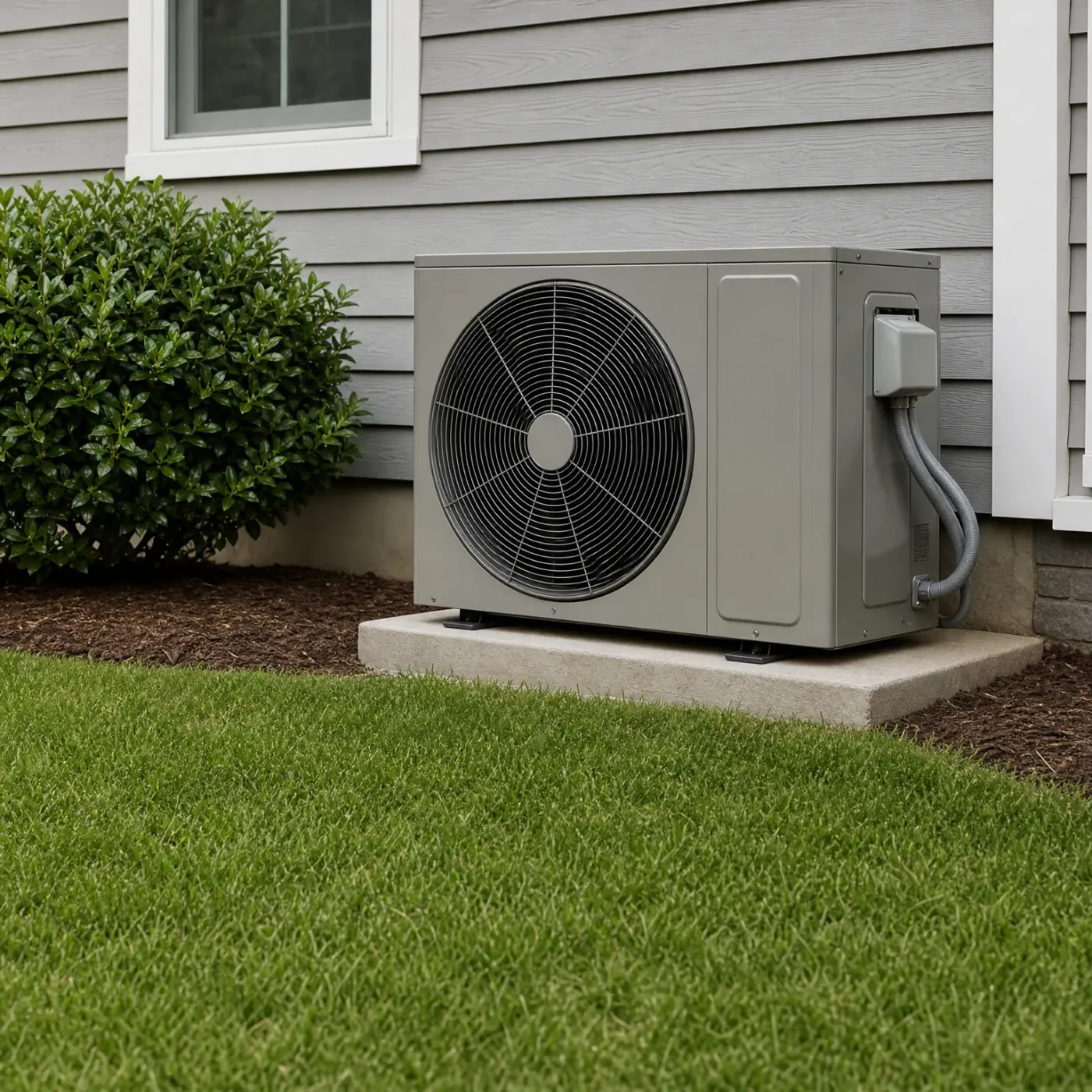
A gray outdoor heat pump unit with a large fan grille sits on a concrete pad beside a house with horizontal lap siding, next to a green shrub, mulch bed, and lawn.

Running clean through the muggy months

A clear grille and coil pull humidity out of the air the way they're supposed to. That's the part of this system the furnace never touches, since dual fuel only changes how you heat, not how you cool. A heat pump breathing freely keeps pulling that moisture down all summer.

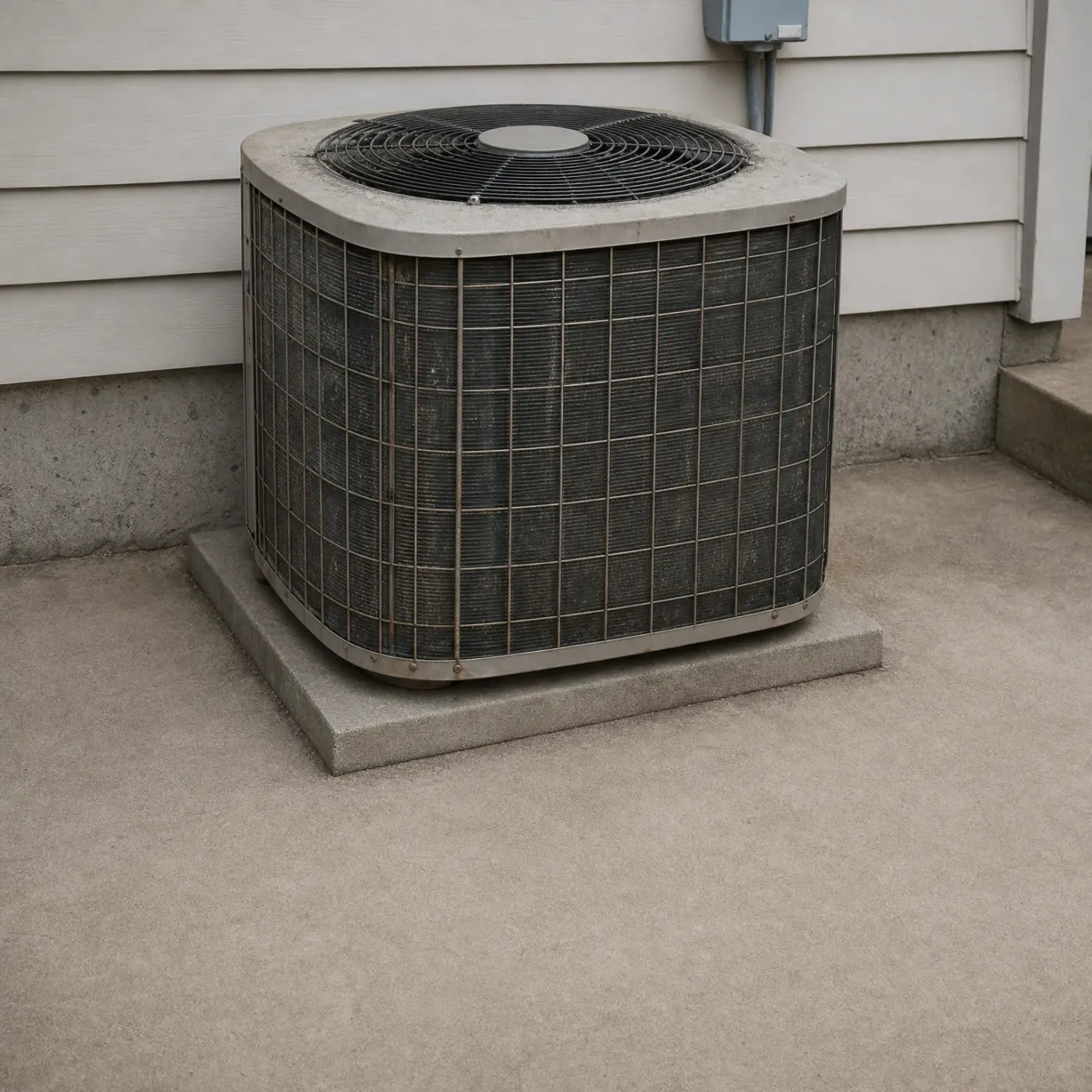
An outdoor air conditioning condenser unit with a top fan grille sits on a concrete pad beside a house with horizontal siding and a concrete step.

Dirty coils cost you both ways

Dust packed into the fins makes the heat pump work harder to move heat either direction, summer or winter. A dirty unit struggles to shed humidity in July and struggles to pull heat from the air in those mild winter stretches it's supposed to handle alone.

Why does your heat pump struggle on the coldest nights

On a cold morning you might notice the air coming out of the vents feels cooler than usual, or the system runs long stretches without shutting off. You may hear it outside working harder, or notice frost built up on the outdoor unit that isn't clearing between cycles. If you've got a gas furnace paired with it, this is normal and it's supposed to step in and take over. If you don't, and the heat pump is working alone below the point where it struggles to keep up, your home heats slower than it should and the system strains to hold the thermostat setting. Left alone long enough, that strain is what shortens the life of the compressor.

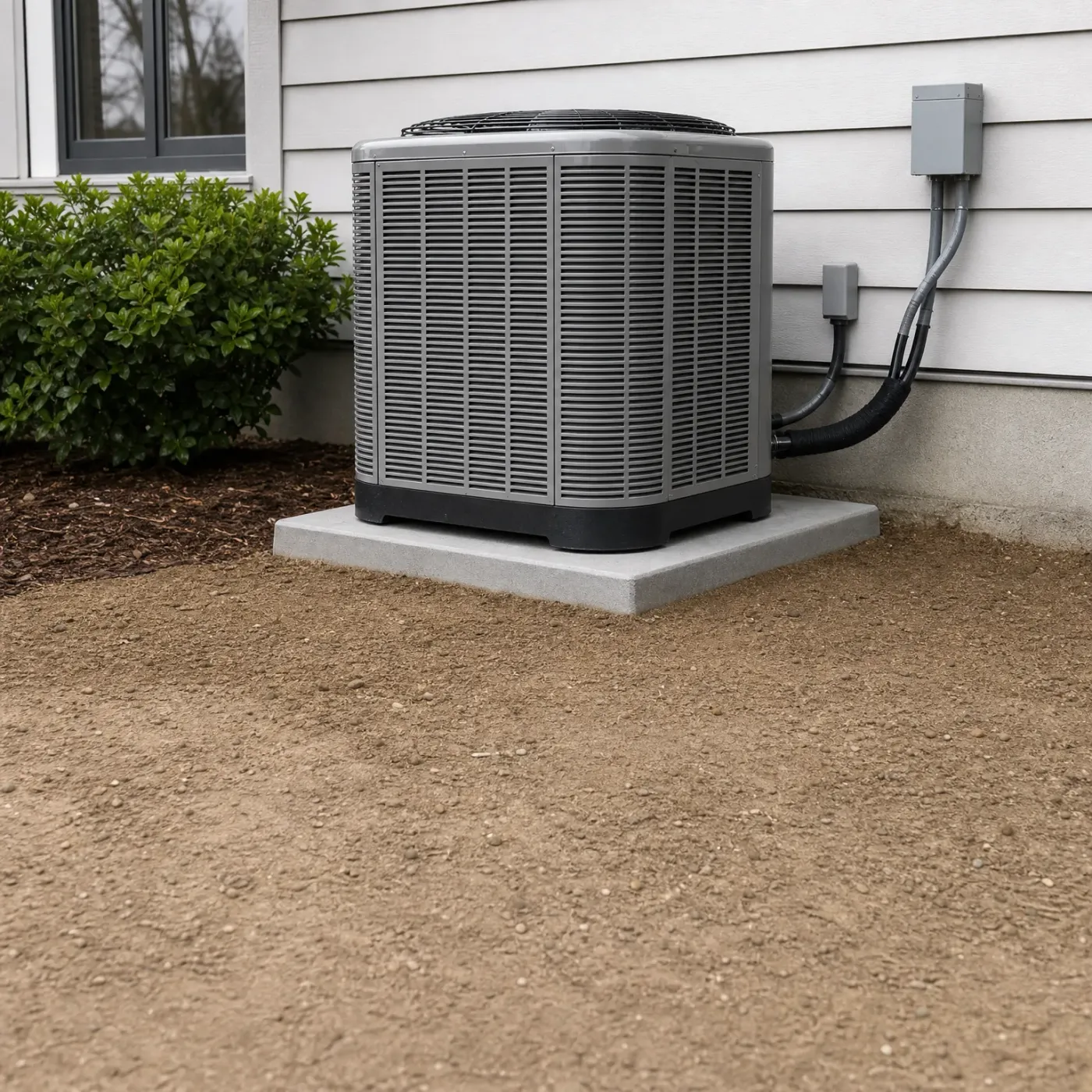
A gray outdoor condenser unit on a concrete pad beside a white horizontal-siding house, with refrigerant lines and conduit running to a wall-mounted disconnect box, bare soil in front and a green shrub at left.
A clean grille and a level pad on an unobstructed condenser let your heat pump pull its full share of both heating and cooling, which matters most for a system doing double duty.
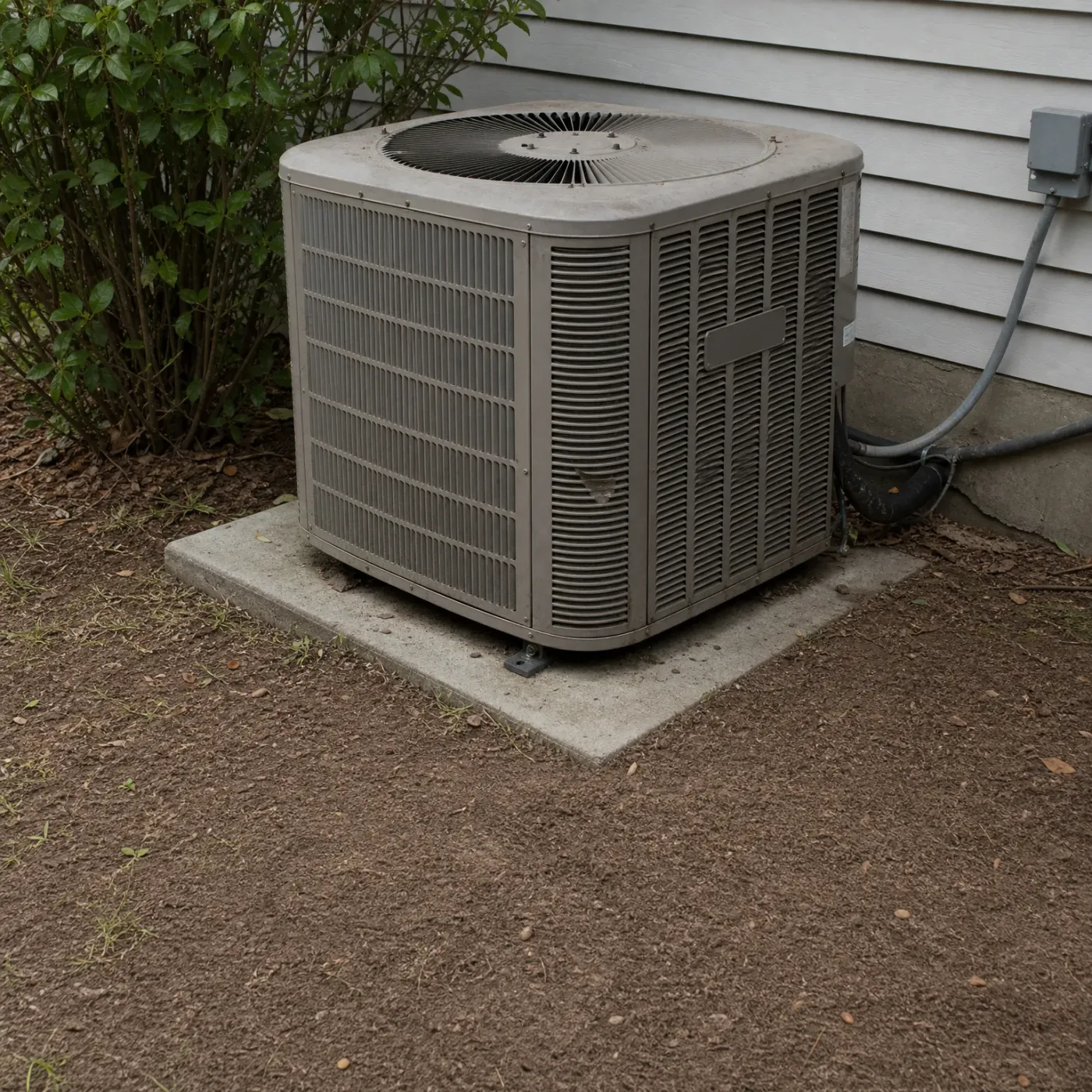
An outdoor air conditioner condenser unit on a concrete pad beside a house with horizontal lap siding, with a shrub to the left, bare dirt in front, and conduit and a metal disconnect box on the wall.
Coils packed with dirt or leaves crowding the cabinet make the unit work harder for less heat or cooling, and that strain shows up fastest in a dual fuel setup.

Dual Fuel Worth It Here

  • In Missouri, where electricity runs 13.30 cents per kilowatt-hour and gas heats most homes, dual fuel keeps the furnace as backup instead of the main source.
  • The heat pump covers cooling all summer and most of winter, with the furnace only firing on the coldest mornings.
  • A system set up this way leans on the cheaper fuel for most of the year and switches to gas only when outdoor temperatures drop low enough to need it.
  • Keeping the grille clear and the pad level lets the heat pump carry that double duty without strain.
  • A licensed contractor can confirm the right switchover point for your house and get the setup matched to how you already heat and cool.
  • Once you send the form, finding that contractor is off your plate, and the next step comes to you.

The answer comes down to what fuel costs less where you live. In Missouri, that's electricity, and dual fuel is built to use the cheaper fuel as much as the weather allows. Your heat pump already cools your home all summer. Add dual fuel and it also carries most of winter, with the gas furnace stepping in only when it gets too cold outside for the heat pump to keep up on its own. That furnace doesn't go anywhere. It stays connected, ready for the mornings that need it, while the heat pump does the rest of the work on the cheaper fuel.

Keeping that system running the way it's meant to doesn't take much. A clear grille, a level pad, and a coil that isn't packed with dirt or leaves let the heat pump pull its full share of both jobs, heating and cooling, without straining through either one. Neglect those and the unit works harder for less, in July and in January both.

What the right switchover point is for your house isn't a guess. It depends on your furnace, your ductwork, and how the two are set up to work together, which is something a licensed contractor can confirm by looking at your actual system. Send the form, and finding that contractor stops being something you have to figure out. The next step comes to you.

A wooden front door with six small glass panes and a narrow sidelight, set in a shingled house entry with white trim, reached by stone steps flanked by a planted urn with purple flowers and leafy branches in the foreground.
Exterior corner of a house with beige horizontal lap siding and a black-framed window, with white hydrangeas, ornamental grasses and low plantings along a flagstone patio.
Corner of a house with tan lap siding and a window, a brick step edge, flowering white hydrangeas and green shrubs beside a flagstone walkway leading to a white picket fence and a tree in backlit sunlight.
House exterior with cream horizontal lap siding, a dark-framed window, a black wall lantern beside a wood door, potted shrubs on stone steps, and white and pink hydrangeas in the foreground garden.
Corner of a cream lap-sided house with a white-framed window and dark shingled roof, beside a white-flowering hydrangea shrub, a clipped hedge, mulched bed and lawn.

Get the right pro for your heat pump

After you send the request, you're done searching.

Get a local pro

You're not committing to anything by asking.