

Backup heat stays off
The heat pump handles the cold morning on its own. Vents stay warm but not hot, and the outdoor unit cycles off once the house catches up.
Answer a few questions instead of calling shop after shop.
Skip the callsA heat pump in Missouri should run for long, steady stretches in winter, sometimes most of the hour, instead of kicking on and off like a furnace does. That's normal for the equipment, not a sign of trouble. It moves heat from the outside air rather than burning fuel for it, so it works slower and longer to hold your house at temperature, especially on the cold mornings that come between December and February. Most homes here heat with gas, so if you switched to a heat pump or moved into a house with one, that long run time can feel off compared to what you're used to. What should concern you is a unit that runs constantly without warming the house, ices over and doesn't defrost on its own, or short cycles instead of running steady. Keeping up with maintenance now, before the cold sets in hard, is what keeps a long run normal instead of a sign the system is struggling.
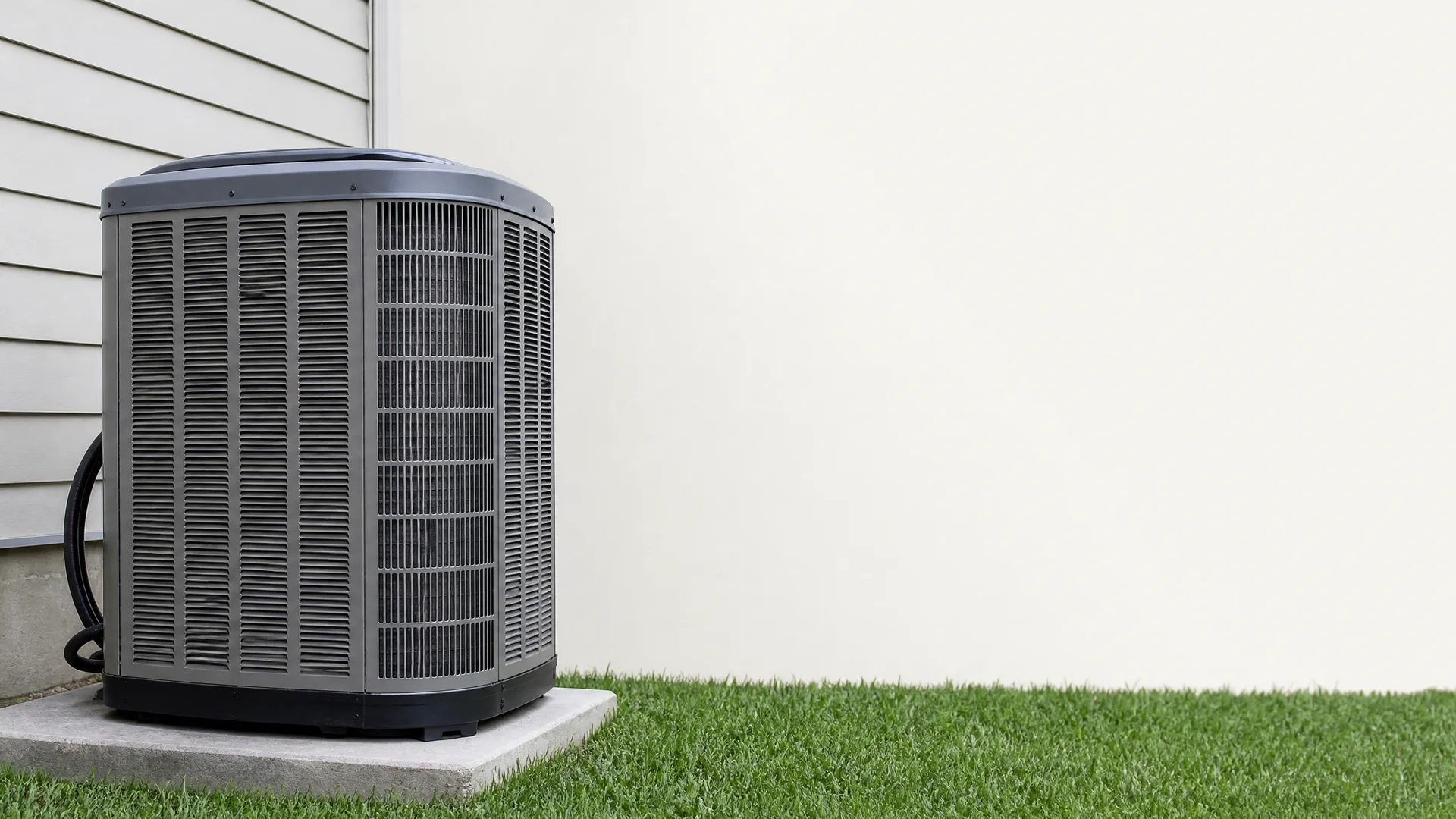
A heat pump moves heat instead of making it, so the colder the air outside, the harder it has to work to pull warmth from it. Below the mid-30s, that stretch gets longer, and most Missouri winters see plenty of mornings in that range. The outdoor unit may also pause now and then to run a defrost cycle and melt frost off the coil before it goes back to heating.
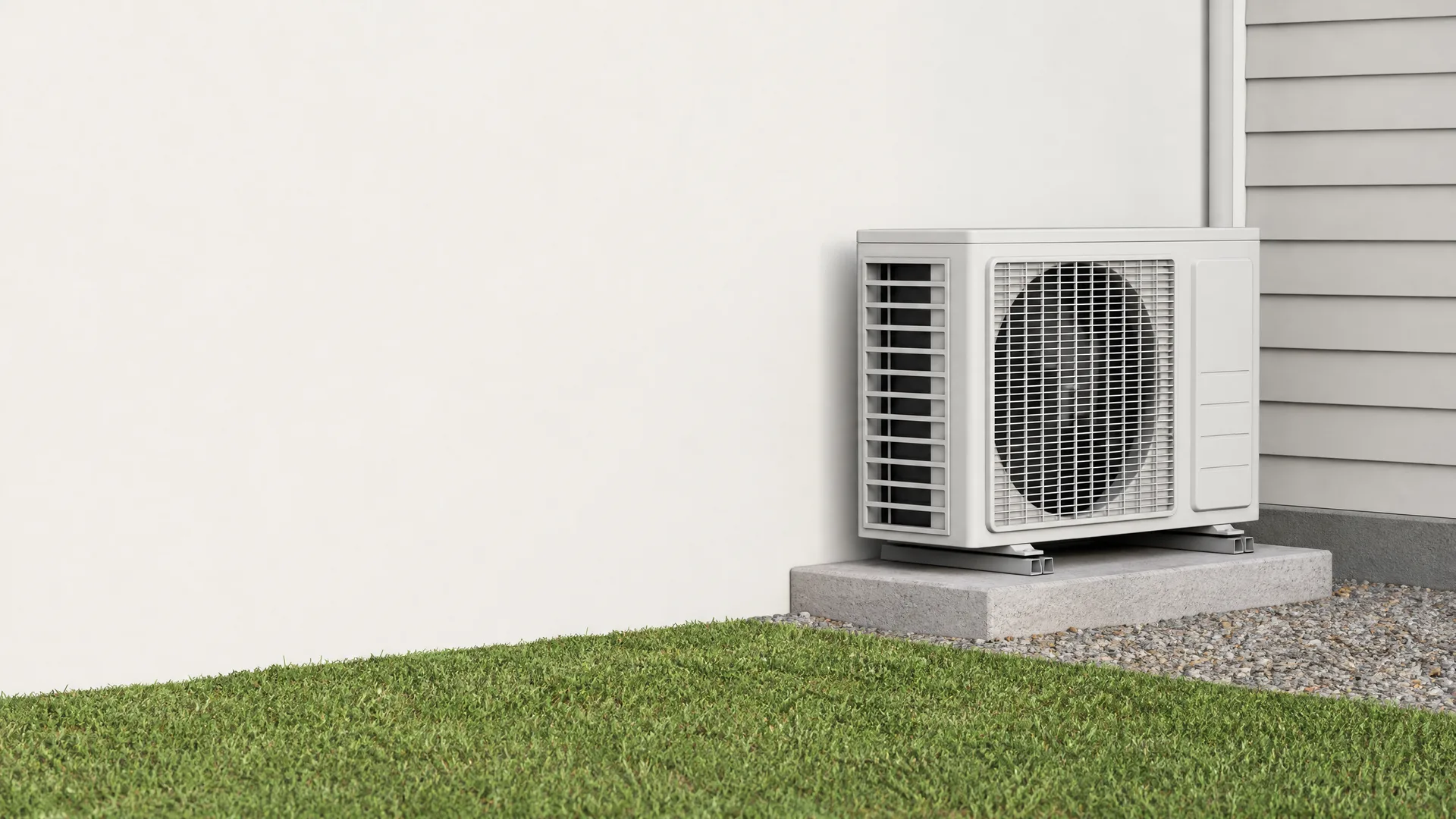
A heat pump that never seems to reach your set temperature, or that runs constantly without the house warming up, is usually telling you something is off, low refrigerant, a failing fan motor, or a coil caked with dirt. Since most Missouri homes lean on gas furnace backup for the coldest days, check whether that backup is kicking in more than it should. A technician who services this equipment all season can usually spot the cause fast.




A heat pump that runs long stretches all winter is leaning on its backup heat strips more than it should, or it's low on refrigerant, or the coil outside is iced over and not telling you. None of that shows up as a clear failure. It shows up as a system that just keeps running and a power bill that climbs, and in a state where gas heat is the norm and most people never watch a heat pump through its first hard freeze, it's easy to miss until February. A contractor who services heat pumps in Missouri through the winter knows what a normal long run looks like on this equipment versus one working harder than it should, because that's the call they get every cold snap. Finding that person usually means calling around, explaining the system, waiting on quotes from a few companies at once. Here the request goes to one licensed local contractor who already knows this equipment in this climate, not five competing for the job. Worth sorting out before the next cold stretch, while the unit is already running long and you can watch what it does.
A heat pump that leans on its backup strips to get through a cold morning is pulling power on electric resistance heat, the same way a space heater does. Power is cheap in Missouri, but strip heat costs more to run than the compressor alone, and a system doing that for hours during a cold snap will show it on the next bill. Most houses here heat with gas furnaces, so this is a different cost than what your neighbors are watching. If the jump happens every time it gets cold, not just once, that's the pattern worth paying attention to.
You'd feel it at the vent before you'd see it outside. Air that used to feel warm starts feeling closer to room temperature, or a room that used to hold steady starts drifting cold by evening. You might notice the outdoor unit running through the afternoon when it used to cycle off by midday. None of this looks like a breakdown. The system is still on, still blowing air, and still technically heating. It's just working harder to do less, and that gap tends to widen through the rest of the winter rather than stay put.


The heat pump handles the cold morning on its own. Vents stay warm but not hot, and the outdoor unit cycles off once the house catches up.
Strips come on to make up what the heat pump can't, pulling more power to hold the same temperature. Worth a look before the next cold snap.
At 13.30 cents a kilowatt-hour, running the heat pump itself stays cheap even through a long stretch on a cold morning. The strips are what change that math, since resistance heat pulls a lot more power to do the same job the compressor does on its own.
EIA-861 2025 statewide residential average
A long run on a cold morning is the heat pump doing its job. It is not the sign to watch for. What matters is whether it keeps catching up or starts falling behind: short cycling instead of one steady run, frost building on the outdoor coil, air at the vents that turns cool instead of warm. Those are the signs worth a call, not the length of the run itself.
Most houses in Missouri heat with gas, so a heat pump carrying a house through the winter is the exception on its street, and it doesn't get looked at as often as it should. Backup strip heat covers for a system that's falling behind, and it does that quietly. The bill goes up before anything looks broken, and by the time the house feels cold, the strips have likely been doing most of the work for a while.
Someone who works on heat pumps through Missouri winters all season has seen what usually gives first in this kind of cold, whether that's a coil that ices over on certain mornings or a charge that's dropped enough to lean harder on the strips. That's a different starting point than a technician who mostly services furnaces and sees a heat pump a few times a year. And it's one contractor looking at the system, licensed to work in Missouri, not a handful of companies calling back about the same job.
Only one pro gets your request, so you hear from one company.