Clean coil, clear airflow
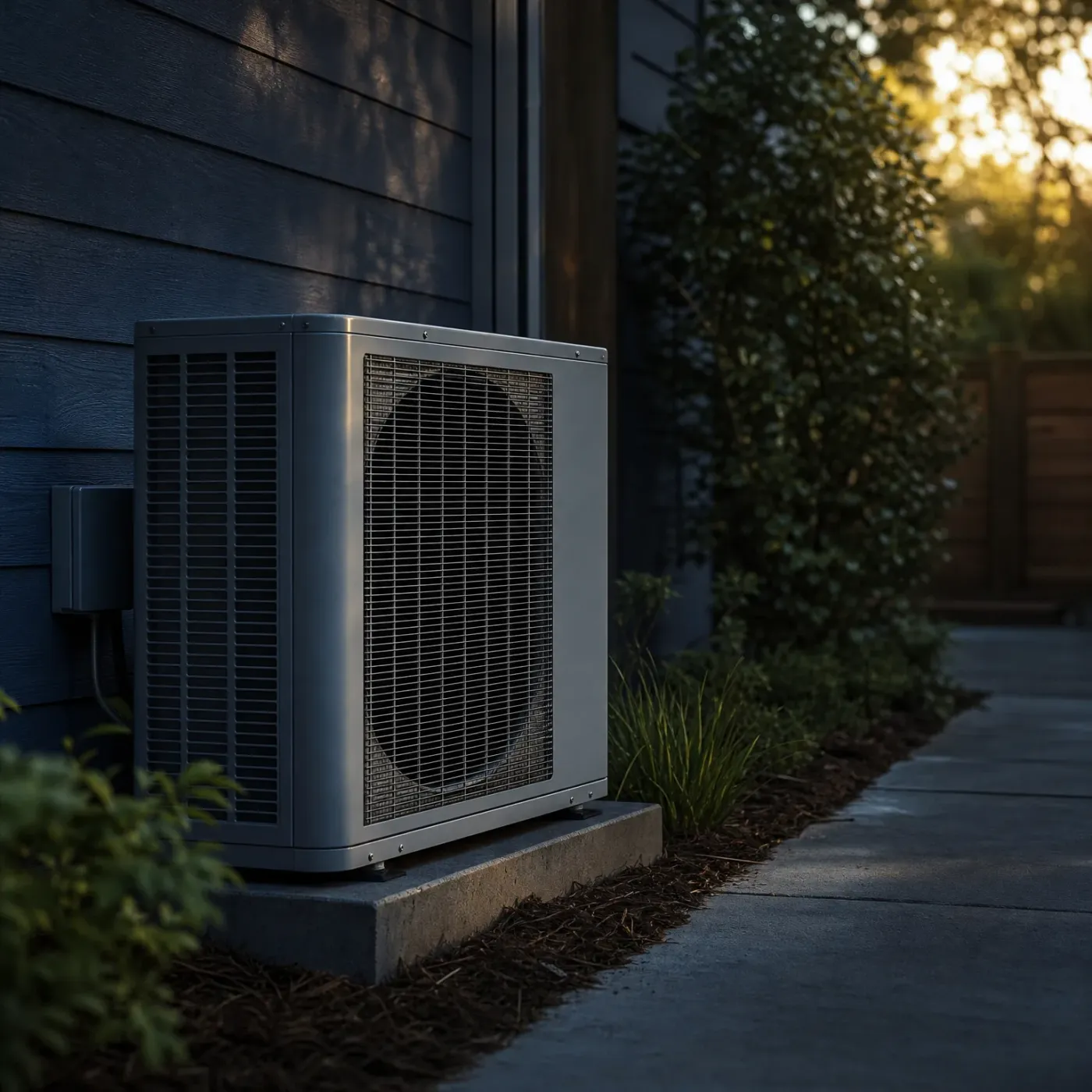
The coil fins sit open to the air, and the conduit and lines run straight to the disconnect box. Air moves through it the way it's supposed to, so the compressor isn't working past what it has to.
Finding a pro stops being your job
Your heat pump works twice as hard here, cooling the sticky summers and carrying the heat all winter since most homes around Branson run on electric heat. A tune-up checks the refrigerant charge, the coils, and the defrost cycle so it doesn't quit on you in July or January. Send the form and let a local contractor who services this equipment all year take it from there.
Let a pro reach outA heat pump tune-up is a yearly check and cleaning of the system that heats and cools your house, done before the weather that strains it hardest. The tech checks the refrigerant charge, cleans the outdoor coil, tests the defrost cycle, and checks the electrical connections and the thermostat settings. Here the same unit runs the AC through the sticky summer months and then switches over to carry the heat all winter, so it gets twice the run time a furnace or an AC alone would see. That wears on the parts that make the switch happen, like the reversing valve, and on the defrost cycle that keeps the outdoor coil from icing over in the cold. A unit that's low on refrigerant or has a dirty coil has to run longer to do the same job, and in a cold snap it can ice up and stop heating the house at all. A tune-up catches that before winter does.




Gauges go on the lines first, so the tech can see whether the refrigerant charge is right. A system low on charge struggles the same way in July heat and January cold, just in opposite directions. The outdoor coil gets cleaned next, since anything coating it keeps the unit from shedding heat in summer or pulling heat from the air in winter. The tech forces the system into defrost mode and watches it work, the reversing valve switching over and the coil clearing itself of frost, because a heat pump that can't defrost properly in a Branson winter will ice over and quit. Connections at the contactor and capacitor get checked and tightened, since a loose one is a common reason these systems trip out on a cold morning. Airflow across the indoor coil gets measured too. A dirty filter or a blower pulling less air than it should makes the whole system run longer to reach the same setting on the thermostat, and that thermostat gets checked for accuracy while the tech is there.
Winter nights average 27°F
Winter nights here average 27°F, and your heat pump has to pull heat from that cold air instead of just moving warm air around.
Heat runs October through April
Seven months of heat, October through April, means the system barely gets a break before it's back to carrying the whole house again.
Cooling runs June through September
Four months of cooling, June through September, puts real hours on the same compressor that just spent all winter working.
NOAA nClimDiv 1991-2020
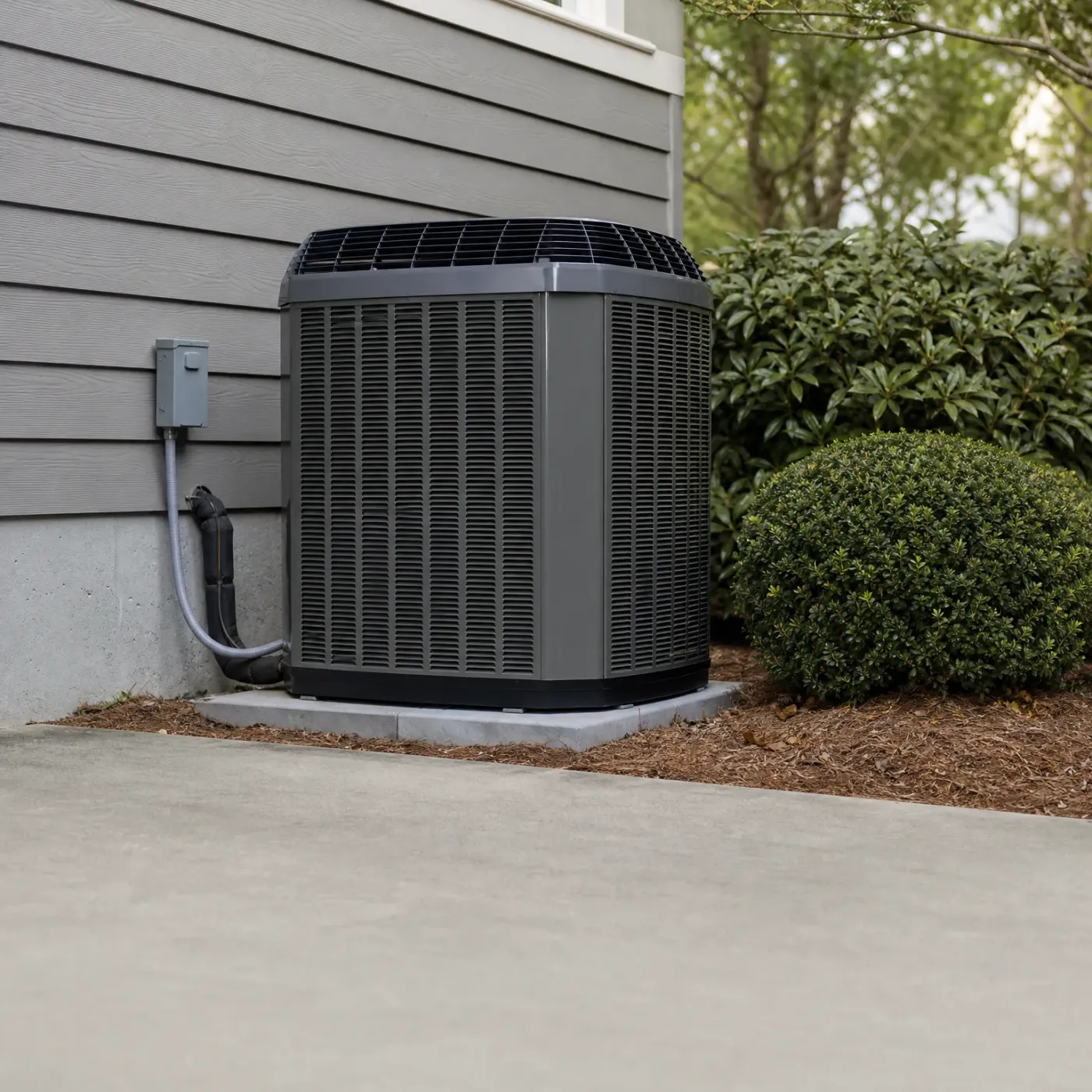
The coil fins sit open to the air, and the conduit and lines run straight to the disconnect box. Air moves through it the way it's supposed to, so the compressor isn't working past what it has to.
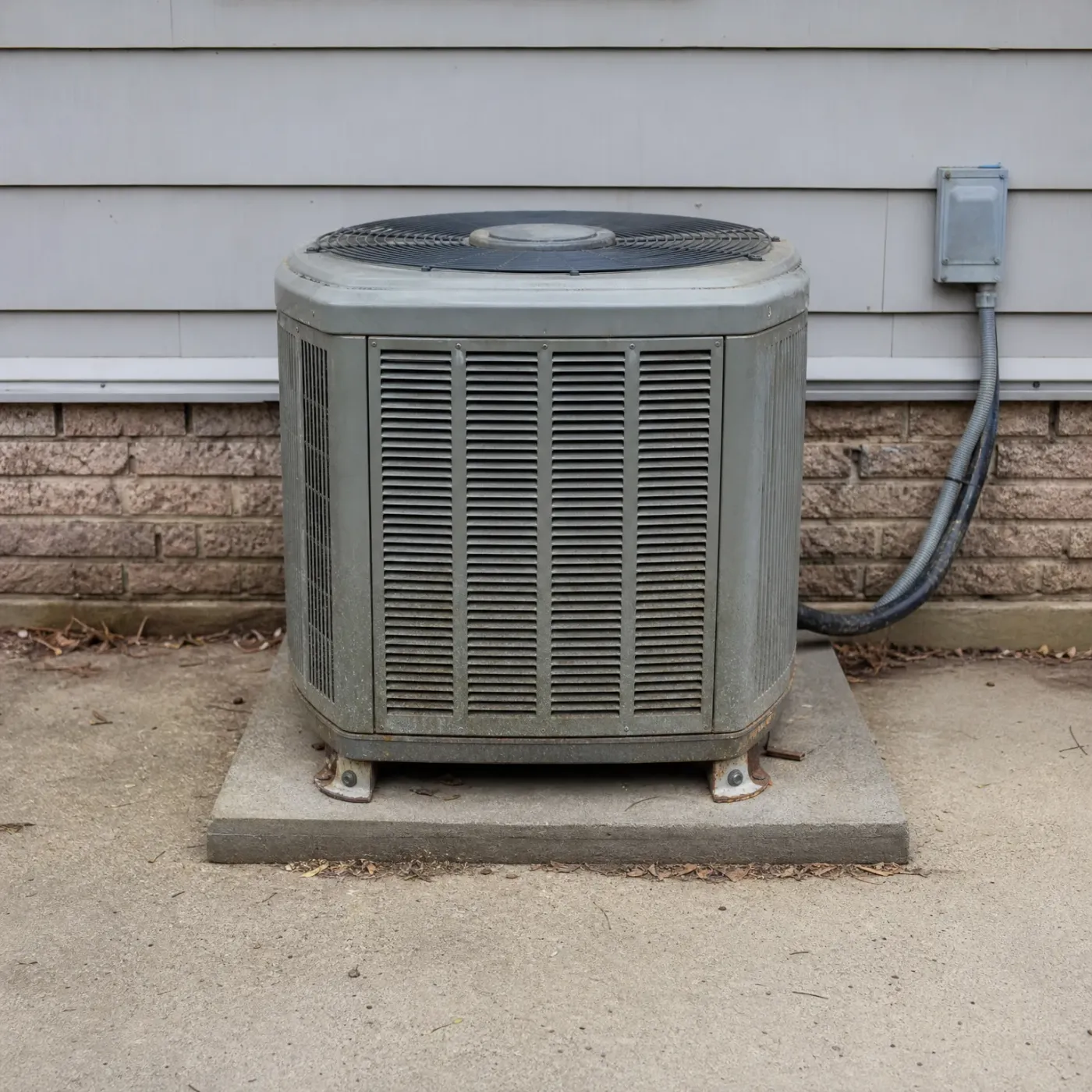
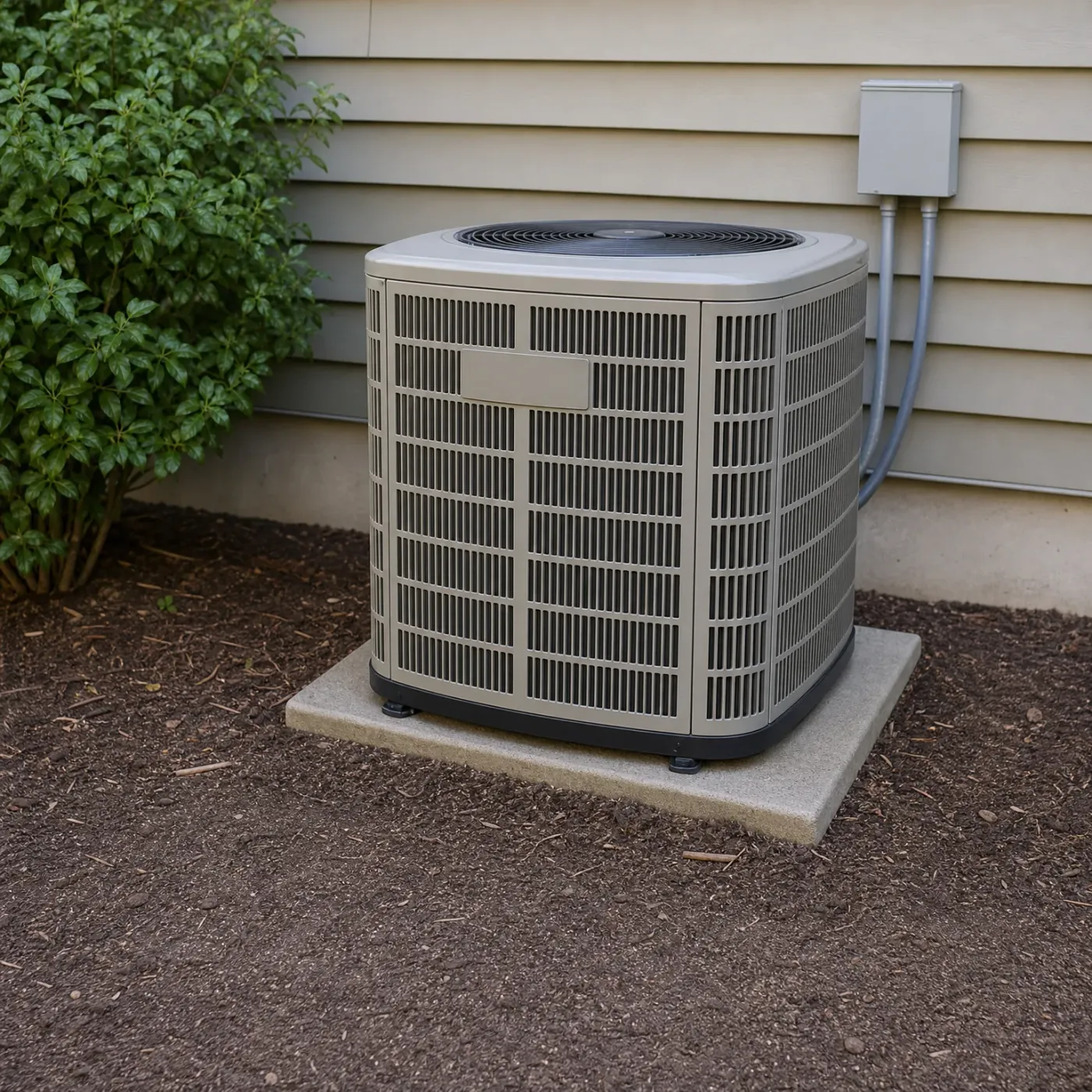
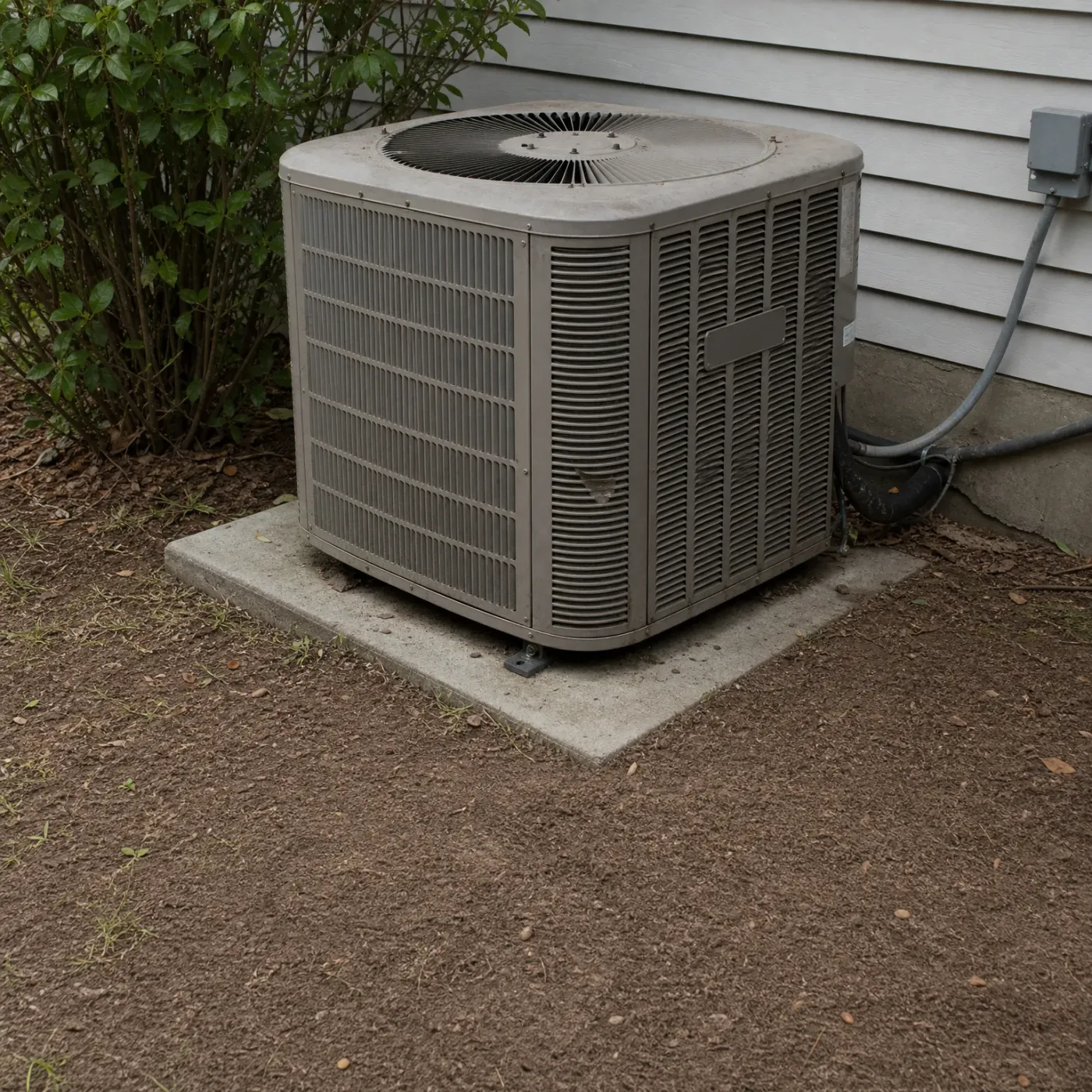
Dust has built up across the fins here, enough to slow the air passing through. A coil like this can't pull heat out of the air in summer or draw it in during a cold snap, so the compressor runs longer to get the same result.
You want to know what you're paying for before the tech shows up. A heat pump tune-up sounds like it could mean anything from a quick look to a full teardown, and you'd rather know the actual steps than take it on faith, especially with a system that has to carry both the summer cooling and most of the winter heat here.
The tech starts outside, checking refrigerant pressure with gauges and looking over the outdoor coil for dirt, grass clippings, or mulch caught in the fins. Inside, they check the air filter and look at the indoor coil and blower. They test the defrost cycle, since a heat pump that can't defrost properly loses heat output on the coldest nights here. Electrical connections get checked too, along with the capacitor and contactor, parts that wear from the system cycling on and off all year. Each reading gets compared against what the manufacturer specifies for that unit, not a general guess. If something is out of range, that's when you find out, before it fails on a 27°F night or a muggy afternoon.


A licensed local pro takes the request for your heat pump tune-up.
Sending the form costs nothing.

A heat pump pulls heat from outside air, and in January that air carries moisture that freezes on the outdoor coil. The system runs a defrost cycle to melt that frost off, switching briefly to cooling mode so the coil warms up, then switching back. If that cycle is mistimed or stuck, ice builds up on the coil and blocks airflow until the unit can't pull any heat at all on the coldest nights.
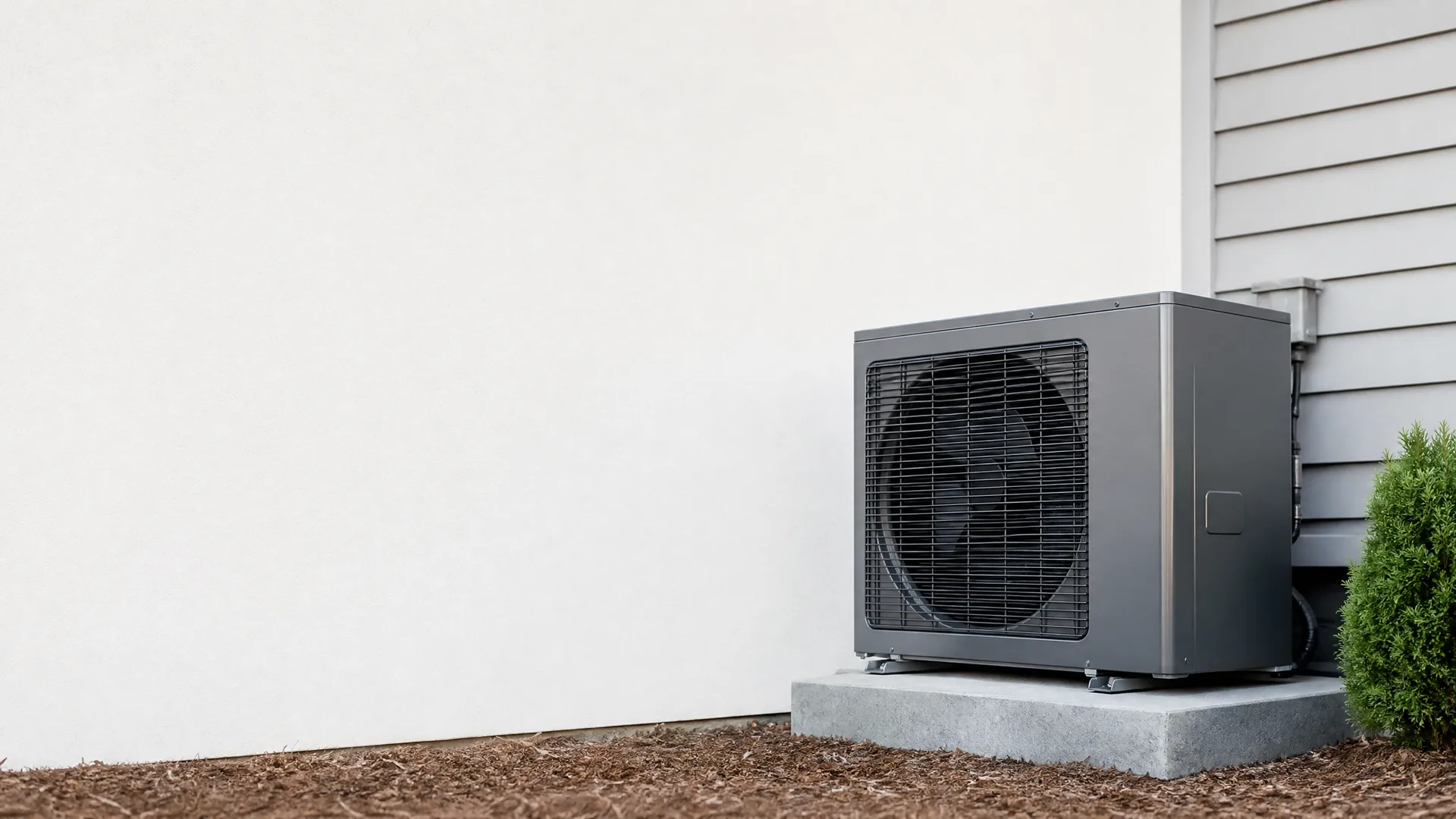
What makes a heat pump different from a furnace or straight air conditioner is the reversing valve, the part that lets the same unit cool your house in July and heat it in January by switching the direction refrigerant flows. A tune-up checks that it switches fully both ways. A valve that sticks partway can leave the system heating and cooling at the same time, which wastes power and wears the compressor down faster.
At 14.87 cents per kilowatt-hour, every degree your heat pump has to work for shows up on the bill. A dirty coil or a low charge makes the compressor run longer to do the same job, and you pay for those extra hours. A tune-up keeps it working for what it actually needs.
EIA-861 2025
Your heat pump either runs the way it should or it doesn't, and a tune-up is how you find out instead of guessing. The refrigerant charge, the outdoor coil, the defrost cycle, and the electrical connections get checked against what they're supposed to read, not just looked at. If the coil is clogged or the charge is low, the compressor picks up the slack, and it does that every day the system runs, which around Branson is most of the year between the summer heat and the cold nights. That extra strain doesn't show up as a breakdown right away. It shows up as a system that runs longer than it needs to, and eventually as one that quits when you need it most, in August or in January.
The contractor who gets your request works on heat pumps in Taney County all year, through the defrost cycles of January and the long cooling stretch that follows. That's the kind of work where knowing what usually fails first, a weak contactor, a coil packed with mulch grit, matters more than knowing heat pumps in general. The request goes to that one contractor, not out to several at once, so you're not fielding calls from companies that have never seen your system.
Once the check is done, you know where the system stands. Either it's clean, charged right, and ready for the next stretch of weather, or something specific needs attention before it becomes a bigger repair.

One request and it's handed off