
Heat pump stuck on emergency heat in Farmington, MO
Skip the callsYour heat pump is running on the backup heat strips and won't switch back, and that gets expensive fast with most homes around Farmington heating on electricity. It could be a bad defrost control, a stuck reversing valve, a thermostat set wrong, or a sensor telling the system something that isn't true. Figuring out which one usually means getting a tech out to look at it firsthand. Instead of searching through contractors around St. Francois County, calling a few, explaining the same problem each time, and sorting through different quotes, you can request service here and get connected to one licensed local contractor who works on heat pumps in this area all winter and knows what tends to fail when one gets stuck on emergency heat. No juggling multiple calls back, no repeating yourself to a second or third company. Just one contractor who already knows the equipment common here and can take it from there.
That light stays on because the thermostat or the outdoor unit has told the system to stop using the compressor and run on electric resistance heat instead. Sometimes you set it there by mistake. More often something told the system to do it: a reversing valve that won't shift back from defrost, a defrost control board reading the coil wrong, a stuck contactor, or a sensor that's failed and left the system defaulting to the strips to keep you from losing heat entirely. That's the fail-safe working as designed, not broken outright, which is why it doesn't just shut off. On a cold morning here, the heat pump switching to emergency heat means your house stays warm, but electric resistance heat costs more to run than the heat pump itself, and in a home that heats with electricity all winter, that difference shows up fast on the bill. Left alone, it won't fix itself.




Why does emergency heat matter so much here
Winter nights average 25°F
Nights this cold mean the heat strips run hard to keep up, and electric resistance heat costs more than the compressor ever does.
Heat runs October through April
Seven months of heat means a heat pump stuck on backup isn't a weekend problem. It needs to go back to normal operation soon.
Cooling runs June through September
Four months of cooling a year is why the reversing valve sits unused so often, and why it can stick when the system finally needs to switch.
NOAA nClimDiv 1991-2020
Check the thermostat first
Look at the thermostat mode setting before anything else. Some thermostats have a separate emergency heat switch or button, and it's easy to bump it or select it by accident when you're adjusting the temperature. If yours shows a mode marked emergency heat or aux heat that you didn't choose on purpose, switch it back to heat or auto and watch the system for a few minutes. If the compressor outside kicks on and the emergency heat light goes off, that was the whole problem. If the light comes right back on, the thermostat isn't the cause and something in the heat pump itself is telling it to stay on backup heat.
When it's the outdoor unit
If the thermostat setting isn't the issue, the problem is likely at the outdoor unit. A reversing valve that's stuck can't switch the system from defrost back to normal heating, so it defaults to the strips. A failed defrost control board can leave the unit thinking it's in defrost when it isn't, or never let it come out. A frozen outdoor coil that won't clear on its own, or a sensor reading the wrong temperature, can do the same thing. None of these clear up by resetting the thermostat, and a licensed contractor who works on heat pumps around Farmington through the winter will know which of these it's likely to be once they hear how the unit's been acting.
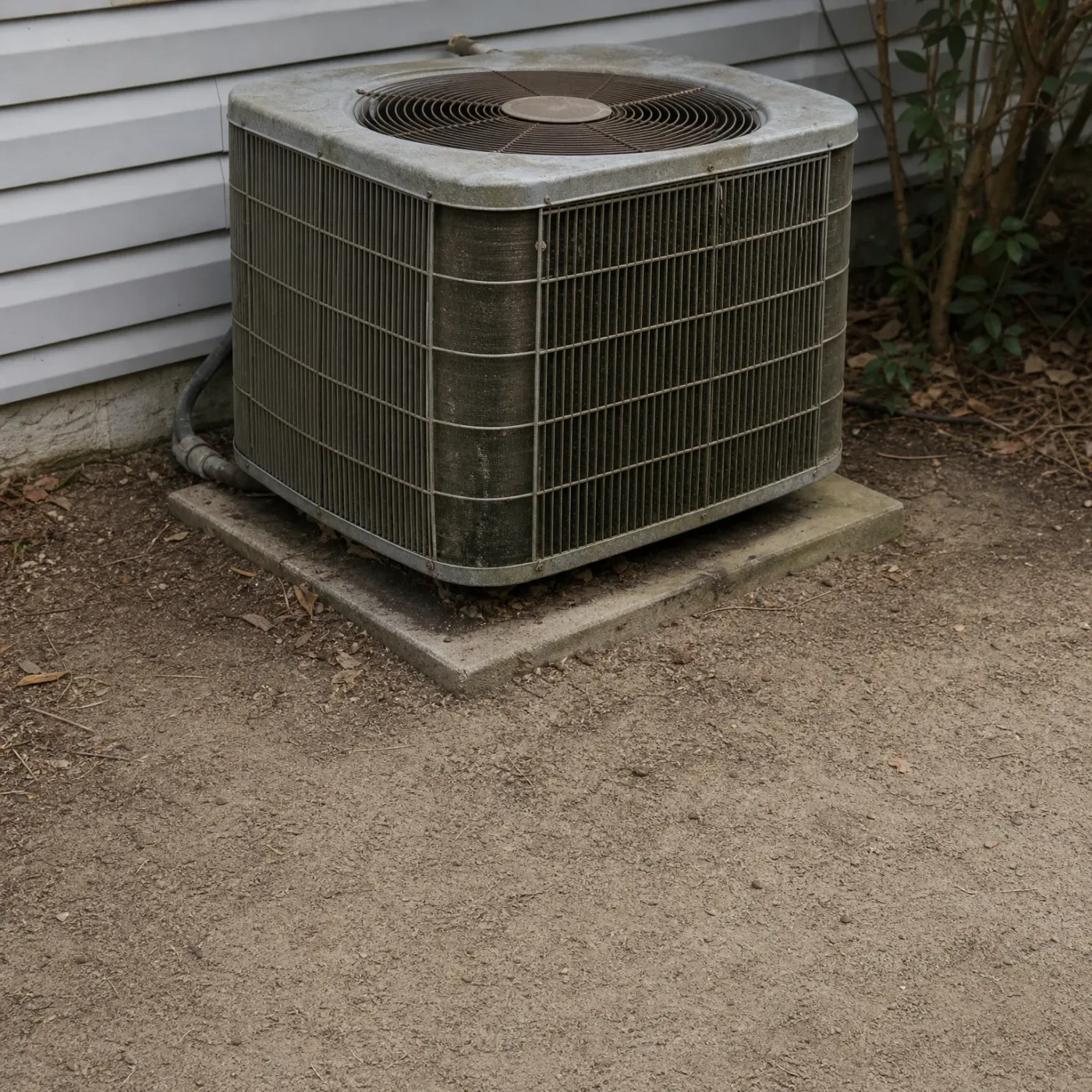
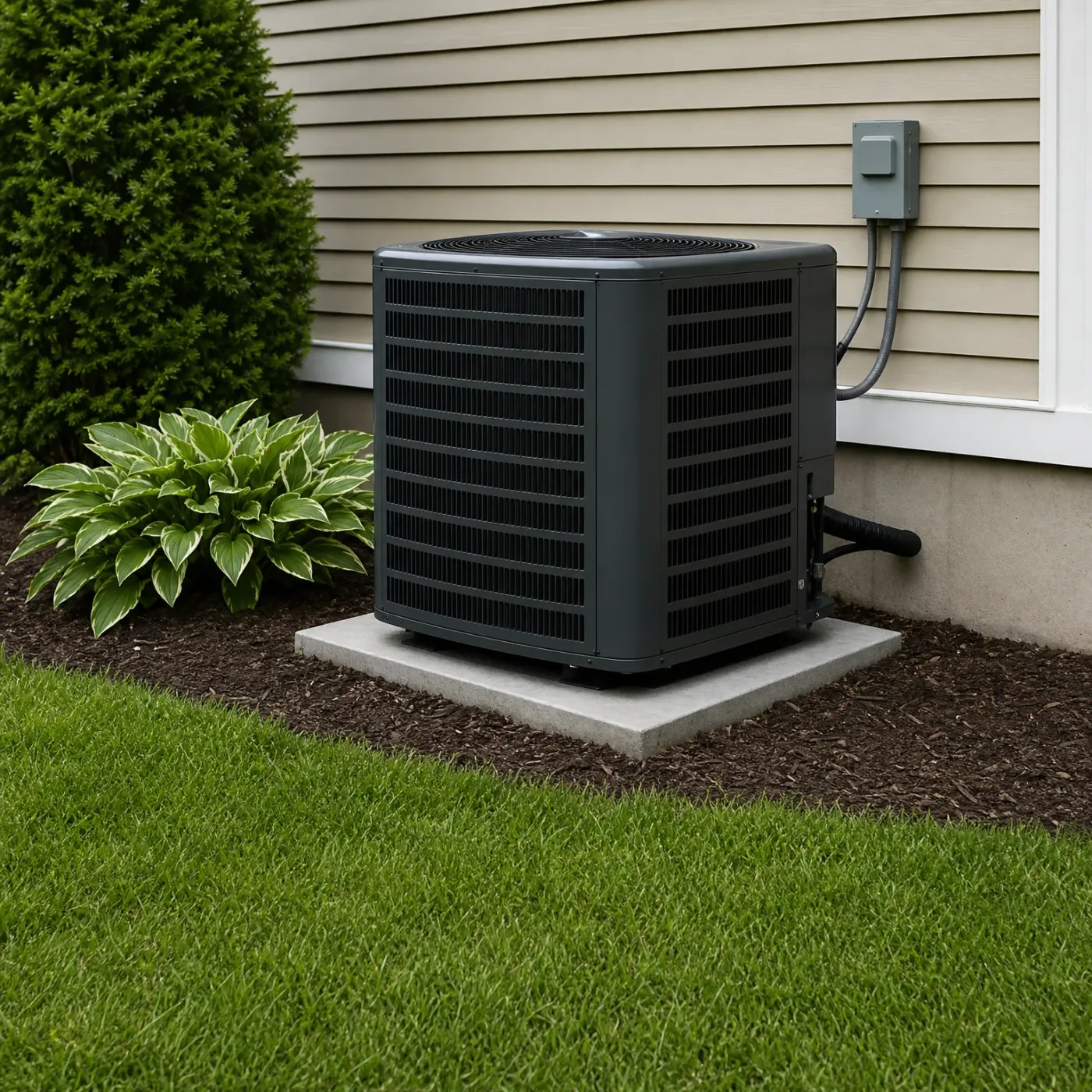
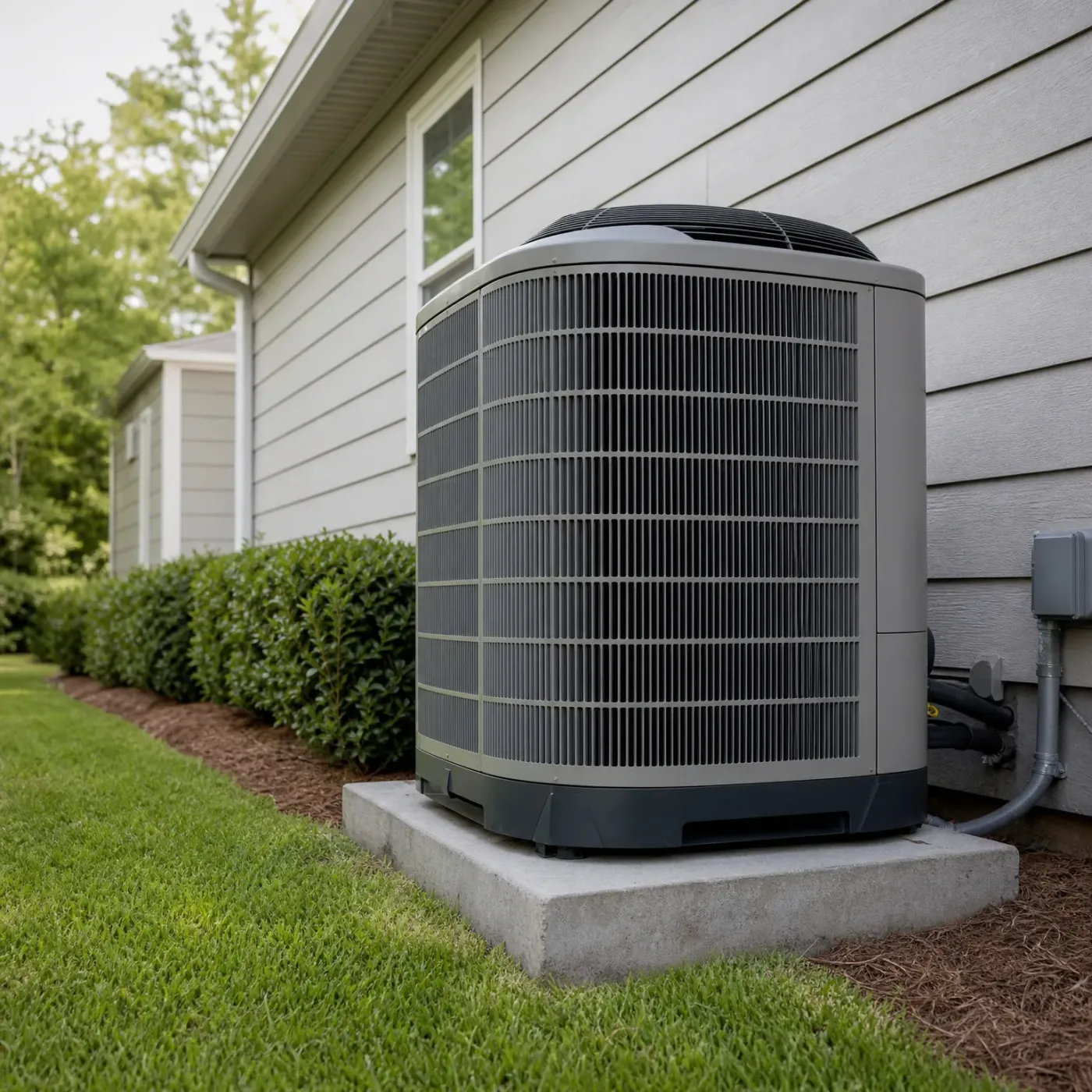
No calling every shop in St. Francois County
A licensed pro who repairs heat pumps in St. Francois County gets your request.
Skip calling shops to ask who repairs heat pumps in St. Francois County.
You're not committing to anything by asking.
What makes a heat pump switch over to emergency heat?
You've seen the emergency heat light come on and you want to know what actually triggers it, not just how to turn it off. Something made the system decide the compressor shouldn't run, and until you know what that something is, you're stuck guessing whether this is a two-minute thermostat fix or a part that needs replacing before the next cold snap comes through.
A reversing valve, a sensor, or a thermostat fault triggers it
The switch happens one of two ways. Either you or someone else selected emergency heat on the thermostat, or the system put itself there. A heat pump protects itself by shutting the compressor down when something reads wrong. The reversing valve, the part that lets the unit pull heat from outside air, can stick and stop the system from running normally. A defrost sensor reading outdoor coil temperature can fail and tell the control board the compressor shouldn't run. A low refrigerant charge can trip the same protection. None of these are things you can see from the thermostat. The display just tells you the compressor is off and the strips are carrying the load instead.
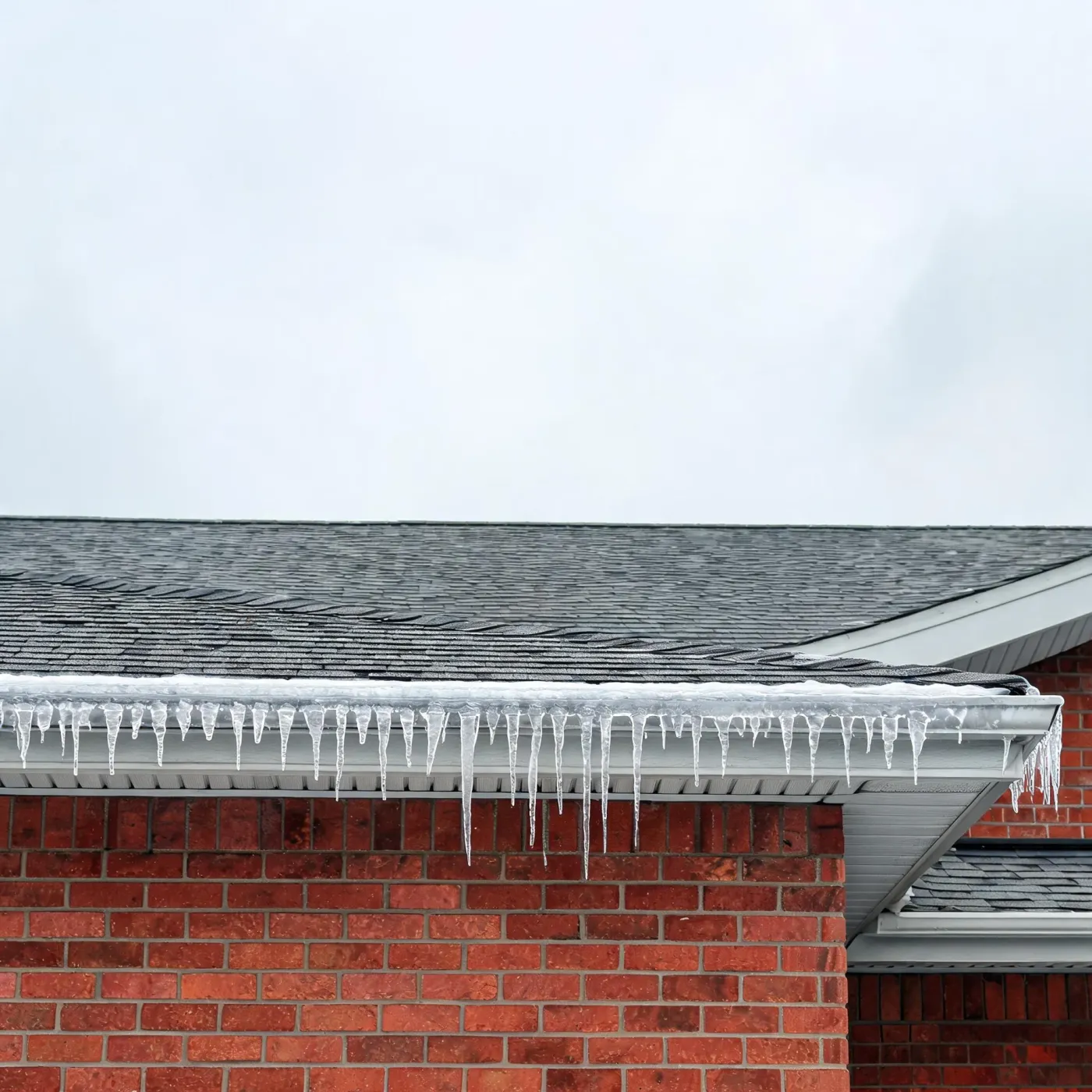
A December or January night around Farmington drops to an average low of 25°F, and that's the kind of cold that keeps a heat pump's compressor working the whole night just to hold the house steady. When the system switches to emergency heat instead, the electric strips take over that entire job alone, with no compressor to share the load. On a 25°F night that's hours of resistance heat running straight through, not a short burst. You'd notice the furnace or air handler running almost constantly and the air coming out warmer than the usual heat pump air, more like a space heater than central heat.
NOAA nClimDiv 1991-2020

Emergency heat isn't a setting to live with
If your heat pump is stuck running on the backup strips, that's a sign something upstream told it to stop using the compressor. A thermostat set wrong is an easy fix. A reversing valve or a defrost control that's failed means a technician needs to look at it. Either way, the system isn't going to switch itself back.
Finding someone who works on heat pumps, not just furnaces and window units, takes some calling around. So does explaining the symptoms over and over to each company before you even get a quote. A request through this page goes to one licensed contractor near Farmington who works on this equipment all year and knows what usually causes a heat pump to lock into backup heat. You explain it once, and someone who already knows the likely cause takes it from there.



Heat Pump Repair
One form, no calling around
A licensed pro who works in St. Francois County gets your request.
