Tell us about the job
Takes about a minute. No obligation.
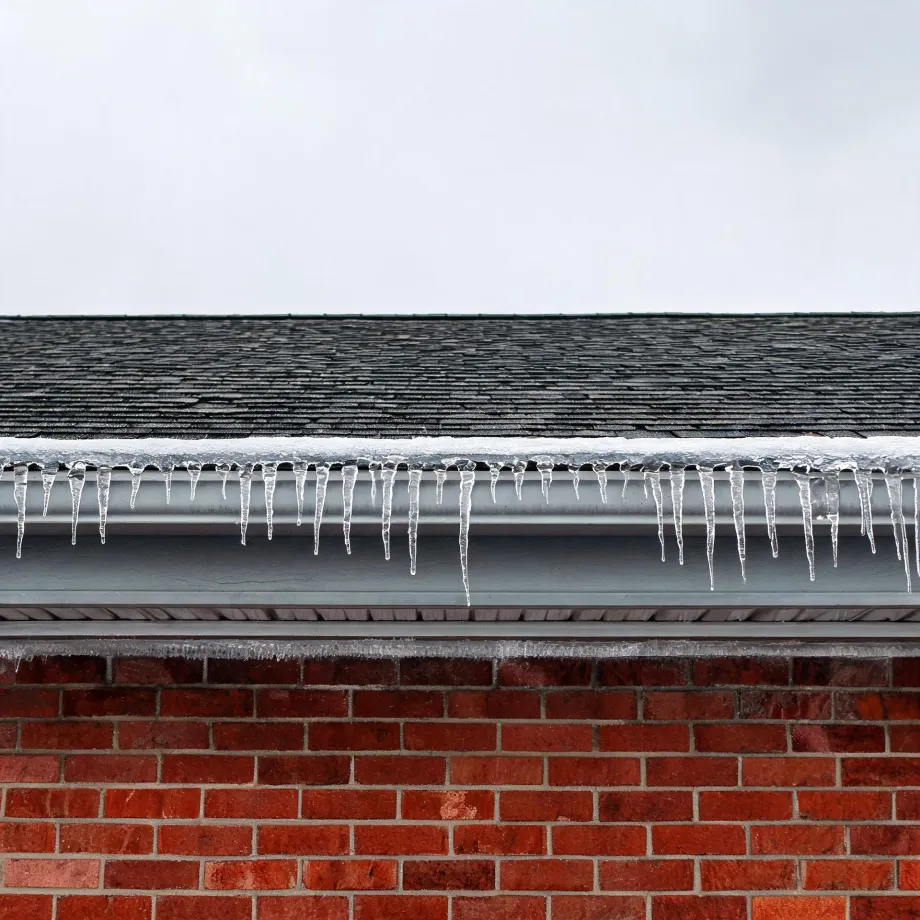
A heat pump compressor in Howard County runs in heating mode through a long, cold stretch, then turns around and handles cooling before it ever gets a real rest. Homes in Howard County, MO run heat about seven months a year, from October through April. That kind of continuous duty accumulates wear on the compressor, the reversing valve, and the defrost controls faster than any of those parts were designed to ignore. A contractor diagnosing a failed heat pump here checks those components first, because the heating season alone puts the compressor through sustained low-temperature cycling, which is where capacity falls and stress peaks.
Half the homes in Howard County, Missouri were built in 1974 or earlier (2020-2024 ACS 5-year). A house that old was almost certainly running something different before the current heat pump went in, which means the system a contractor opens today was retrofitted into spaces and configurations built for earlier equipment. When a repair requires a specific part, the question is whether that part still exists in a form the unit will accept. Discontinued components, redesigned replacements that do not fit the original mounting, and control boards with no current equivalent all turn up in stock this age. The repair scope follows what the opened unit actually contains.
The Parts of a Heat Pump a Contractor Checks First
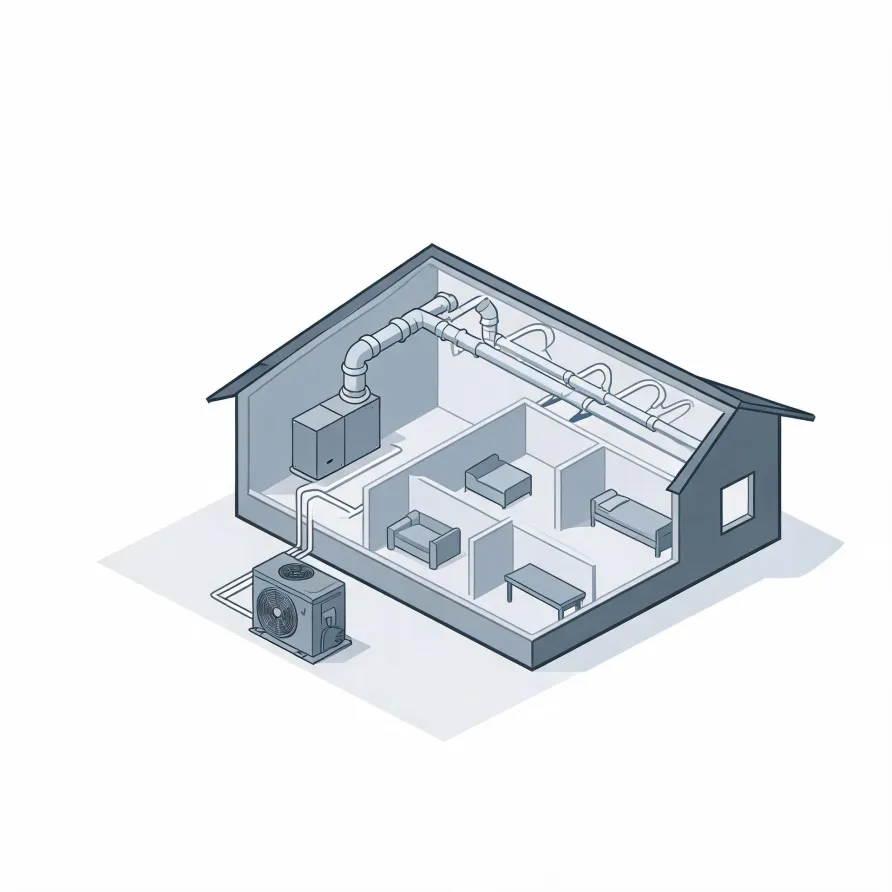
The outdoor unit sits outside the house and holds the compressor and the condenser coil. The compressor is where most repair calls start. When it fails, the system stops moving heat entirely. The condenser coil, which wraps around the unit, is what a contractor examines when the system runs but heats or cools poorly.
The air handler lives inside, usually in a closet, utility room, or attic, and it contains the evaporator coil and the blower fan. A frozen or fouled evaporator coil is a common fault point. The expansion valve sits between the two coils and controls refrigerant flow. The refrigerant lines connect the indoor and outdoor units, and a contractor checks them for leaks whenever pressure readings fall short.
The drawing shows a general layout of these components, and a licensed contractor determines which parts apply and what work is needed in your specific home.
Find a contractor in Howard CountyHoward County, Missouri, by the numbers
29 severe weather events were recorded in Howard County, Missouri between 2015 and 2024.
NOAA National Centers for Environmental Information, Storm Events Database, bulk CSV export, events 2015-01-01 through 2024-12-31.Half the homes in Howard County, Missouri were built in 1974 or earlier (2020-2024 ACS 5-year).
U.S. Census Bureau, 2020-2024 American Community Survey 5-Year EstimatesHoward County, Missouri holds 4,374 housing units (2020-2024 ACS 5-year).
U.S. Census Bureau, 2020-2024 American Community Survey 5-Year EstimatesOwners occupy 78.7% of the occupied homes in Howard County, Missouri (2020-2024 ACS 5-year).
U.S. Census Bureau, 2020-2024 American Community Survey 5-Year EstimatesSevere Weather Events in Howard County
Weather puts direct stress on heat pump equipment, and that stress accumulates over years of hard cycles. Repair demand in Howard County follows the same pattern the weather leaves behind.
29 severe weather events, 2015–2024. Source: NOAA National Centers for Environmental Information, Storm Events Database.