Tell us about the job
Takes about a minute. No obligation.
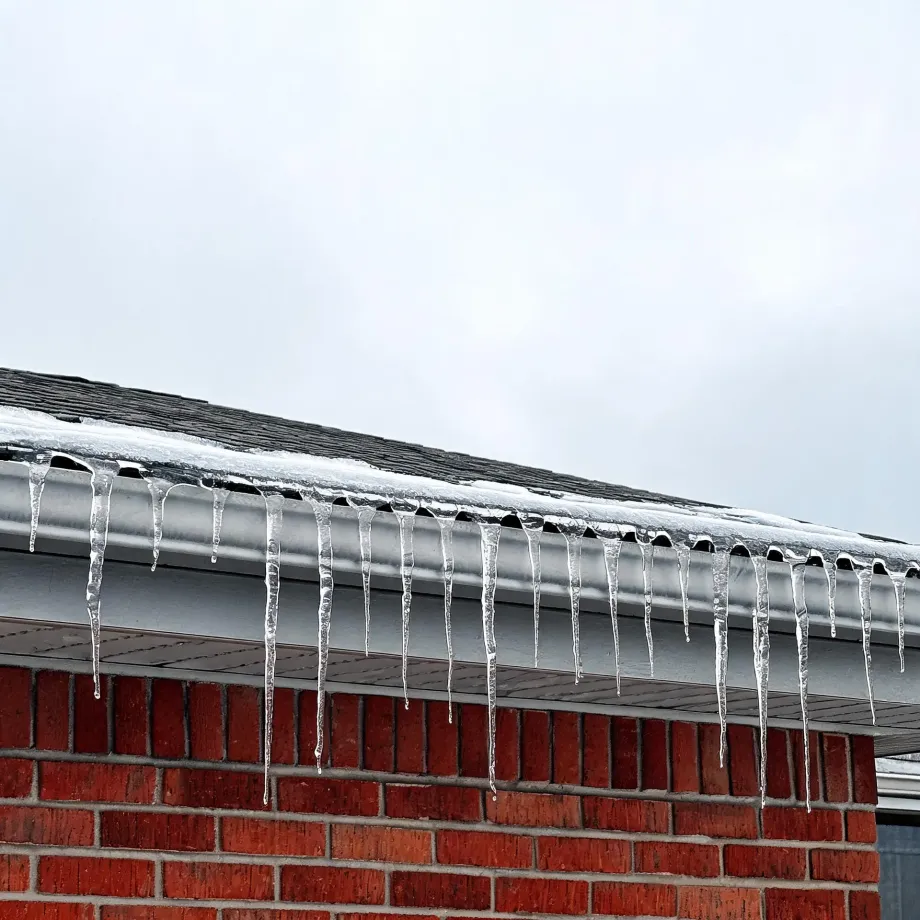
A heat pump in Mississippi County earns its wear on the heating side. Homes in Mississippi County, MO run heat about seven months a year, from October through April. Cold outdoor air cuts into a heat pump's capacity, which means the compressor is working against a genuine load through the coldest part of that run, not just cycling on mild days. A contractor diagnosing a failed reversing valve or a refrigerant fault here looks at a machine that has been pushed at its limits repeatedly, and that history shows in the parts that bear the thermal stress: the compressor, the reversing valve, and the defrost controls.
Ductwork laid down to serve one kind of system and then pressed into service for another accumulates problems a repair call will surface. Half the homes in Mississippi County, Missouri were built in 1973 or earlier (2020-2024 ACS 5-year). A heat pump moving through a house like that finds joints that have shifted, lining that has degraded, and airflow paths sized for loads the current equipment was never designed around. When a contractor opens a unit here, the condition of what feeds and returns air to it often determines whether the repair is a parts swap or a longer conversation about what the system is working against.
The Parts of a Heat Pump a Contractor Checks First
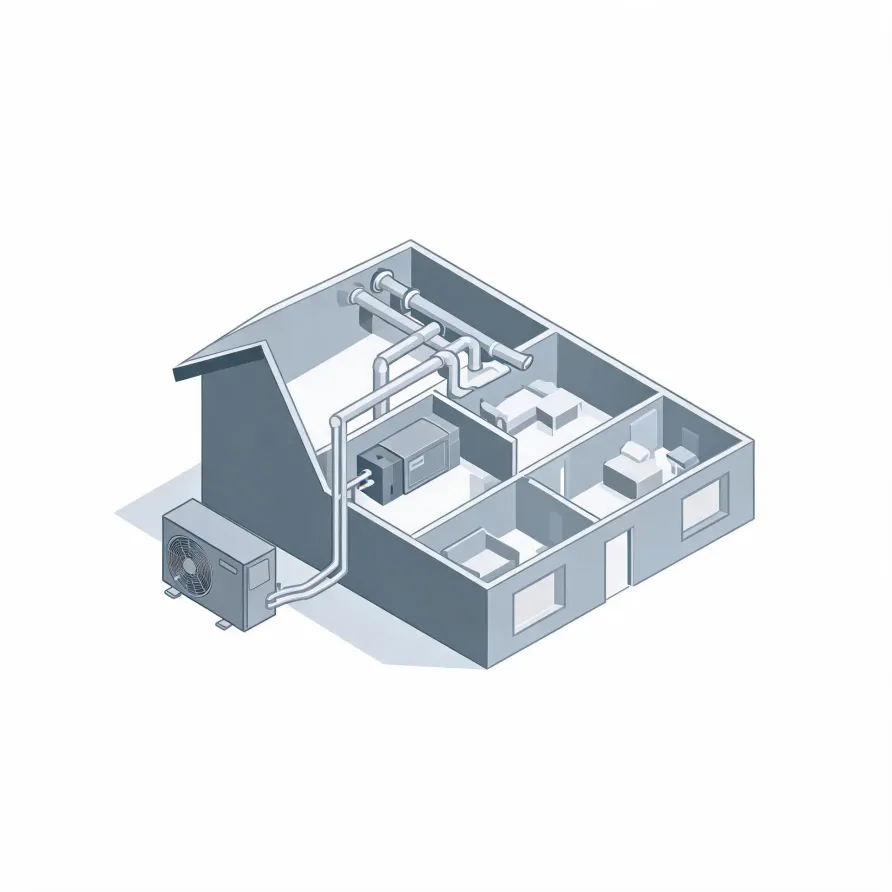
The outdoor unit sits outside the house and holds the compressor and condenser coil. The compressor is the piece contractors look at early when a heat pump stops moving heat altogether, and the coil is the first stop when the system runs but struggles. Either one going wrong shows up fast in how the house feels.
Inside, the air handler holds the evaporator coil and the blower, which pushes conditioned air through the house. The refrigerant line connects the two units, and the reversing valve sits in the outdoor cabinet, directing flow between heating and cooling mode. A fault in the valve or a refrigerant leak often mimics other problems, so contractors trace both before drawing conclusions.
The drawing shows a general layout of these components, and a licensed contractor determines what applies to the specific system in your home.
Find a contractor in Mississippi CountyMississippi County, Missouri, by the numbers
99 severe weather events were recorded in Mississippi County, Missouri between 2015 and 2024.
NOAA National Centers for Environmental Information, Storm Events Database, bulk CSV export, events 2015-01-01 through 2024-12-31.Half the homes in Mississippi County, Missouri were built in 1973 or earlier (2020-2024 ACS 5-year).
U.S. Census Bureau, 2020-2024 American Community Survey 5-Year EstimatesMississippi County, Missouri holds 5,272 housing units (2020-2024 ACS 5-year).
U.S. Census Bureau, 2020-2024 American Community Survey 5-Year EstimatesOwners occupy 62.9% of the occupied homes in Mississippi County, Missouri (2020-2024 ACS 5-year).
U.S. Census Bureau, 2020-2024 American Community Survey 5-Year EstimatesSevere Weather Events in Mississippi County
Heat pumps work harder when outdoor conditions push to extremes, and repair needs follow from that workload. How often severe weather hits Mississippi County shapes how much stress the equipment accumulates over time, which makes local weather history part of any honest conversation about heat pump repair here.
99 severe weather events, 2015–2024. Source: NOAA National Centers for Environmental Information, Storm Events Database.