
Heat pump not heating in Neosho, MO

Get matched with a pro who works on heat pumps in Newton County.

Find a heat pump pro

A heat pump that runs but blows cool or cold air is usually stuck in defrost or losing the fight against ice on the outdoor coil. Cold Newton County nights put frost on that coil, and the system has to reverse itself and run heat strips or a backup source to melt it off before it can switch back to heating. If that reversing valve sticks, or the defrost sensor fails, or the outdoor fan isn't clearing frost the way it should, the unit can stall out blowing room-temperature or cold air for long stretches. It can also mean a refrigerant leak, a failed compressor, or a thermostat calling for the wrong mode. Since most homes around Neosho heat with electricity, a heat pump that won't heat often means the backup strips are carrying the whole load, and a power bill that shows it. Either way, something in the system needs a hands-on diagnosis to find which part failed.

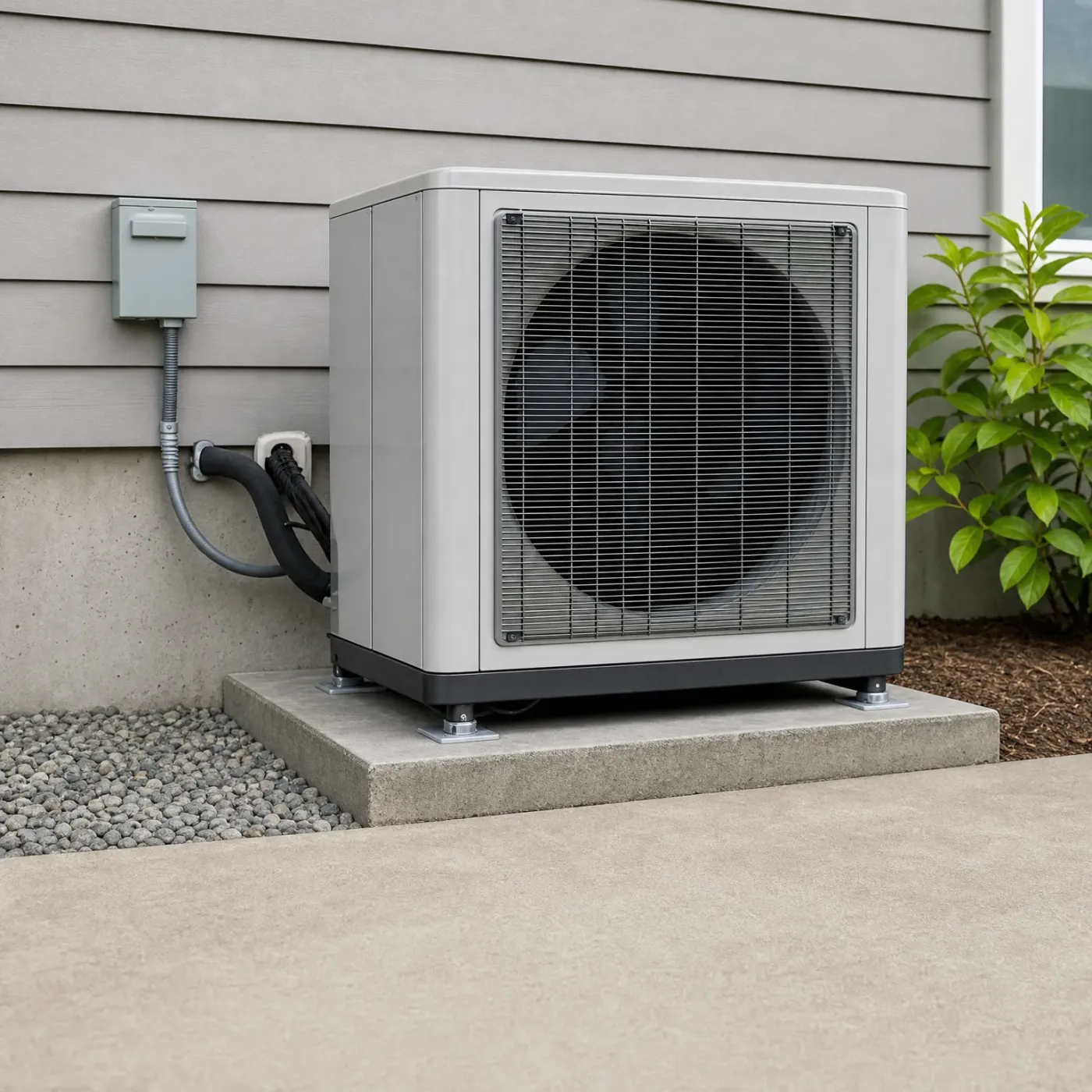
A light gray outdoor heat pump unit mounted on a concrete pad beside a house with horizontal lap siding, with refrigerant lines and conduit running to a wall-mounted electrical box, gravel and a leafy shrub nearby.

Running clean

The outdoor unit sits clear on its pad, coil open to the air, lines and wiring running neat to the disconnect. Air moves through it the way it should, so the system can pull heat out of the cold air and send warm air inside. Nothing blocks the coil, so nothing makes the system work harder than it has to.
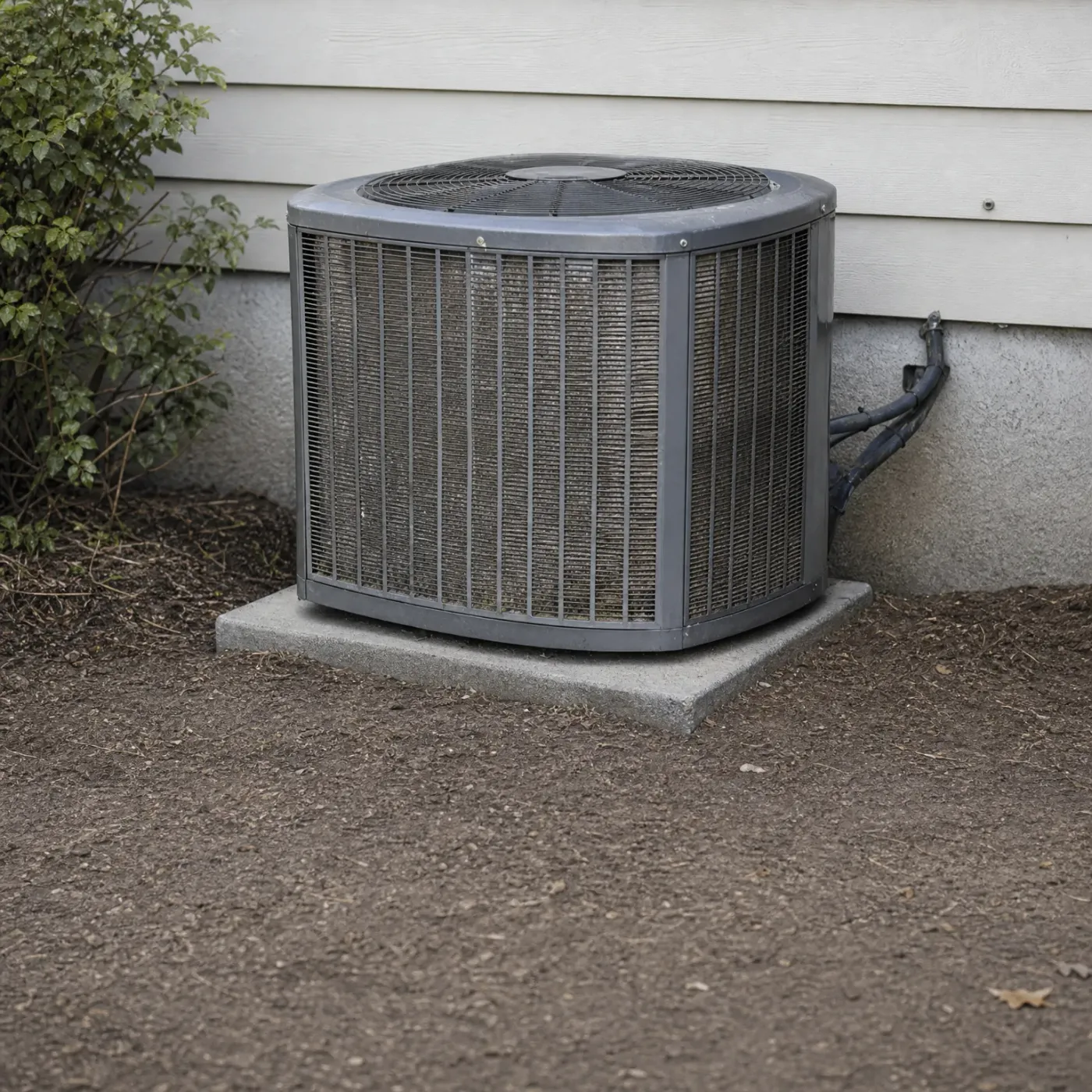

An outdoor air conditioner condenser unit on a concrete pad beside a house with horizontal lap siding, with refrigerant lines entering the wall and a shrub on bare soil to the left.

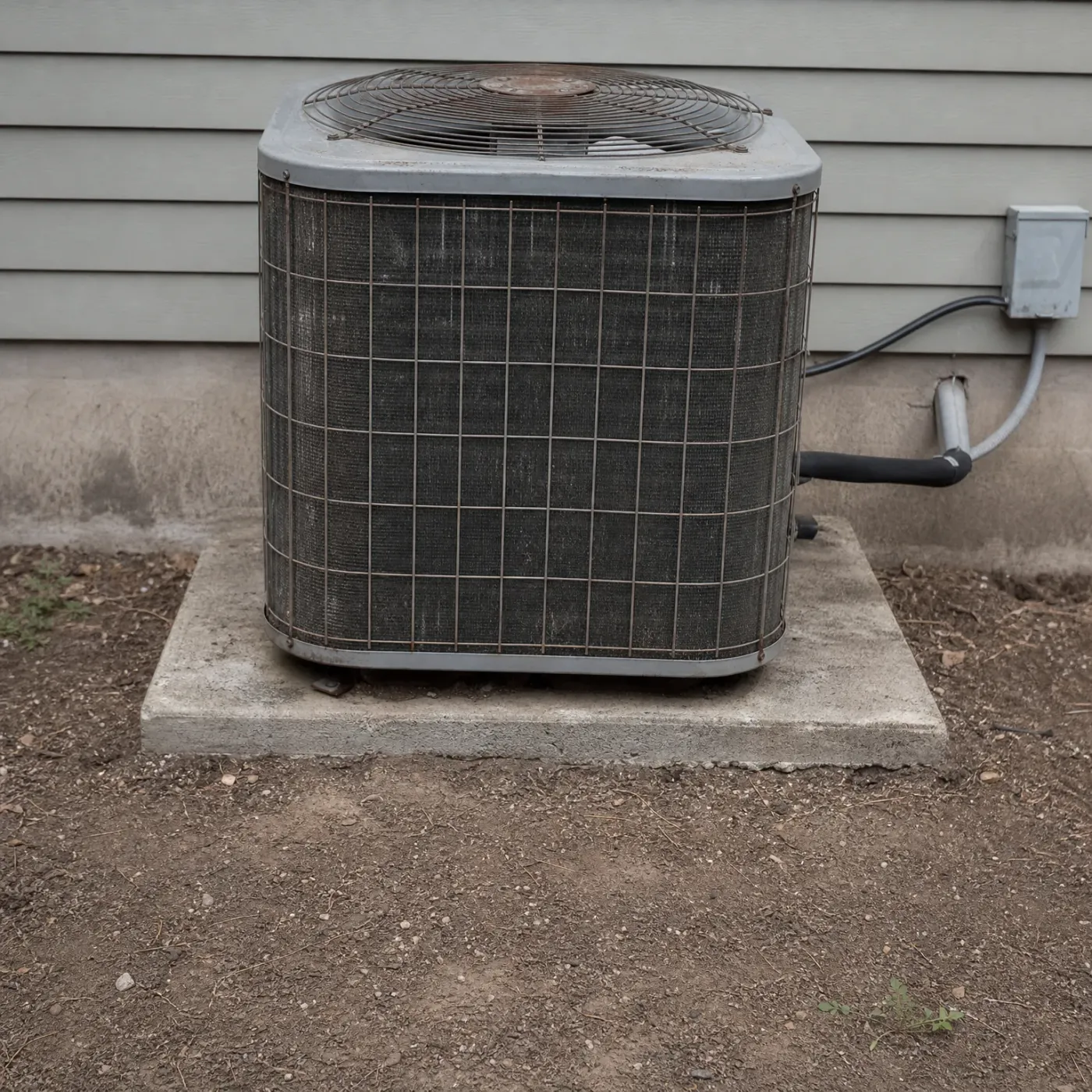
Coil fighting ice

Dirt and debris packed into the coil fins choke off airflow before the frost even starts. Once that coil can't breathe, ice builds up faster than the defrost cycle can clear it, and the heat pump burns through its heat strips or backup heat trying to keep up. A dirty coil in a Neosho winter is a system working against itself.

Is Your Heat Pump Still Keeping Up

Still Heating

  • The heat pump keeps up on most days above freezing and the house holds its temperature through the night.
  • Air from the vents feels warm to the hand, not just less cold, and the thermostat setting is actually being met.
  • The outdoor unit cycles on and off normally instead of running nonstop trying to catch up.
  • Frost on the outdoor coil melts off within a short defrost cycle and the unit goes back to heating.
  • No breaker trips and the backup heat strips only kick in during the coldest stretches, not every hour.
  • Energy bills track with what you'd expect for the weather that month, not a sudden jump.

Not Heating

  • Vents blow air that feels cool or barely warm even with the thermostat set well above room temperature.
  • The outdoor unit is caked in ice that doesn't clear on its own, even on milder days in the 40s.
  • The system runs constantly without ever satisfying the thermostat, and the house slowly loses ground overnight.
  • Backup heat strips or the furnace are carrying the whole load instead of just helping during defrost.
  • A breaker for the outdoor unit or air handler keeps tripping, or the outdoor fan has stopped turning.
  • The electric bill climbs well past what the weather alone would explain.
  1. The thermostat calls for heat and the reversing valve shifts the cycle.

  2. The outdoor coil pulls what heat it can from the cold air.

  3. A frost layer builds on the coil as outdoor temperatures drop.

  4. The system senses the frost and switches into a defrost cycle.

Why does your house feel colder than the thermostat says

You set the thermostat to 70 and the house sits at 65, or the vents blow air that feels barely warm. Some rooms stay cold no matter how long the system runs. You might hear it click into a different sound outside, or notice the outdoor unit running long stretches without the house ever catching up. On a hard freeze night, you may hear it switch on what sounds like a second system, the heat strips kicking in to cover the gap. Left alone through a cold snap, the house keeps losing ground, pipes sit closer to that line where freezing becomes a real risk, and the people inside are cold while the system works harder for less heat.

A woman with wavy blonde hair wearing a grey knit cardigan over a green top sits on a sofa in a living room, looking off to the side.
A woman with long brown hair in a cream knit sweater sits on a light sofa in a living room, looking toward a window with sunlight on her face.
A woman in a gray sweater sits in a chair in a living room with a dark sofa, wooden coffee table with a potted plant, and a staircase behind her, looking toward a window.
A smiling woman with dark hair in an updo, wearing a gray ribbed turtleneck sweater, sits on a light sofa in a living room and looks off to the side.

32°F

Below this, most heat pumps lean on electric strips or a backup source to keep up. If yours still feels cold above that mark, frost or a stuck reversing valve is more likely the cause than the weather.

Get a local pro

Every 30 to 90 minutes

A normal defrost cycle runs this often in cold weather and lasts only a few minutes. One that runs longer or more often than that is a sign the coil isn't shedding ice the way it should.

Get a local pro
An outdoor air conditioner condenser unit on a concrete pad beside a house with horizontal lap siding, with refrigerant lines and a gray electrical disconnect box on the wall, surrounded by bare dirt.
Before you get your heat pump repair
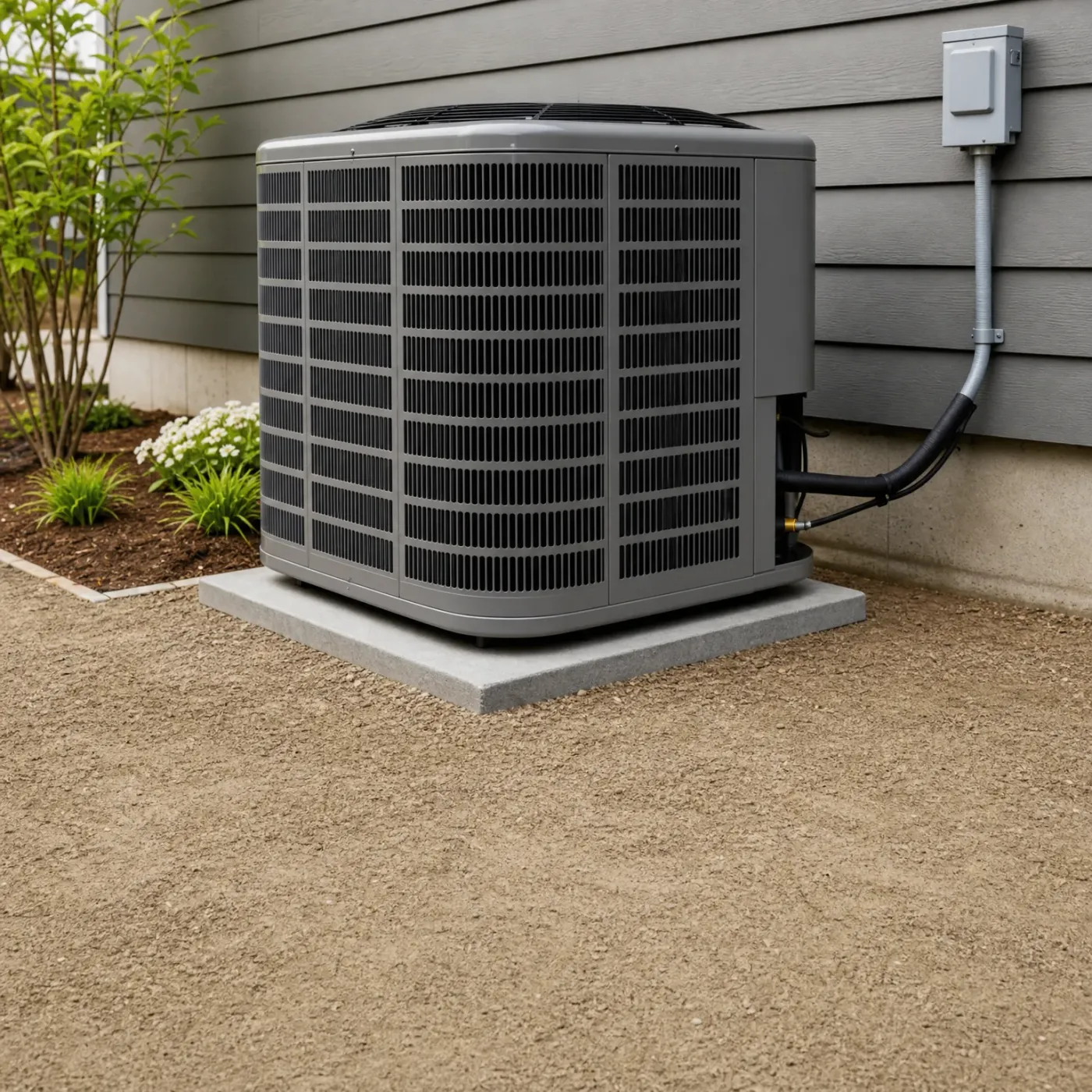
A gray outdoor condenser unit on a concrete pad beside a house with horizontal lap siding, with an electrical disconnect box and insulated refrigerant lines on the wall, gravel in the foreground and a planting bed at left.
After you get your heat pump repair

The right pro for this job

A heat pump stuck on cold air through a Neosho winter is not something to watch and wait on. Cold snaps here can sit in the 20s for days, and a system running backup strips or heat it can't deliver leaves the house losing ground while the electric bill climbs. You could start calling contractors around Newton County, explain the thermostat setting, the cold vents, what the outdoor unit looks like, then do it again for the next one and sort through whoever calls back first. Or you could put that in front of one contractor who already knows what a frosted coil or a stuck reversing valve looks like in this area and let them take it from here. Either way the house stays cold until someone gets out to look at it. The sooner that happens, the sooner you stop running strips or backup heat that isn't holding the line against a Missouri cold front.

Waiting it out yourself

You can watch the thermostat, listen for the unit switching into defrost, and hope it catches up once the day warms past freezing. Some of the time that works, especially on a mild afternoon in Newton County. But if the reversing valve is stuck or the coil keeps icing over, nothing changes no matter how long you wait. Meanwhile you're calling around to find someone who works on heat pumps, explaining the same symptoms to each one, and trying to judge who actually knows this equipment versus who's guessing. That takes evenings you'd rather spend elsewhere, and a cold snap sitting in the 20s doesn't pause while you sort it out.

Getting matched with a contractor

You answer a few questions about what the system is doing and where you are, and a contractor who works on heat pumps in the Neosho area reaches out to you. No calling around to find who's available, no repeating the same explanation to three different shops, no comparing quotes you don't have the background to judge. The contractor looks at the outdoor coil, the reversing valve, and the defrost cycle to find out why the house is losing ground. You still have to get the repair done and the cold doesn't wait, but finding someone to call is no longer the part standing in your way.

Winter nights average 27°F

A low near 27°F means your heat pump is pulling heat out of air that's already close to freezing most winter nights. That's hard running for any system, and it's exactly when frost builds fastest on the outdoor coil. If yours can't keep ahead of that, the house falls behind overnight.

NOAA nClimDiv 1991-2020

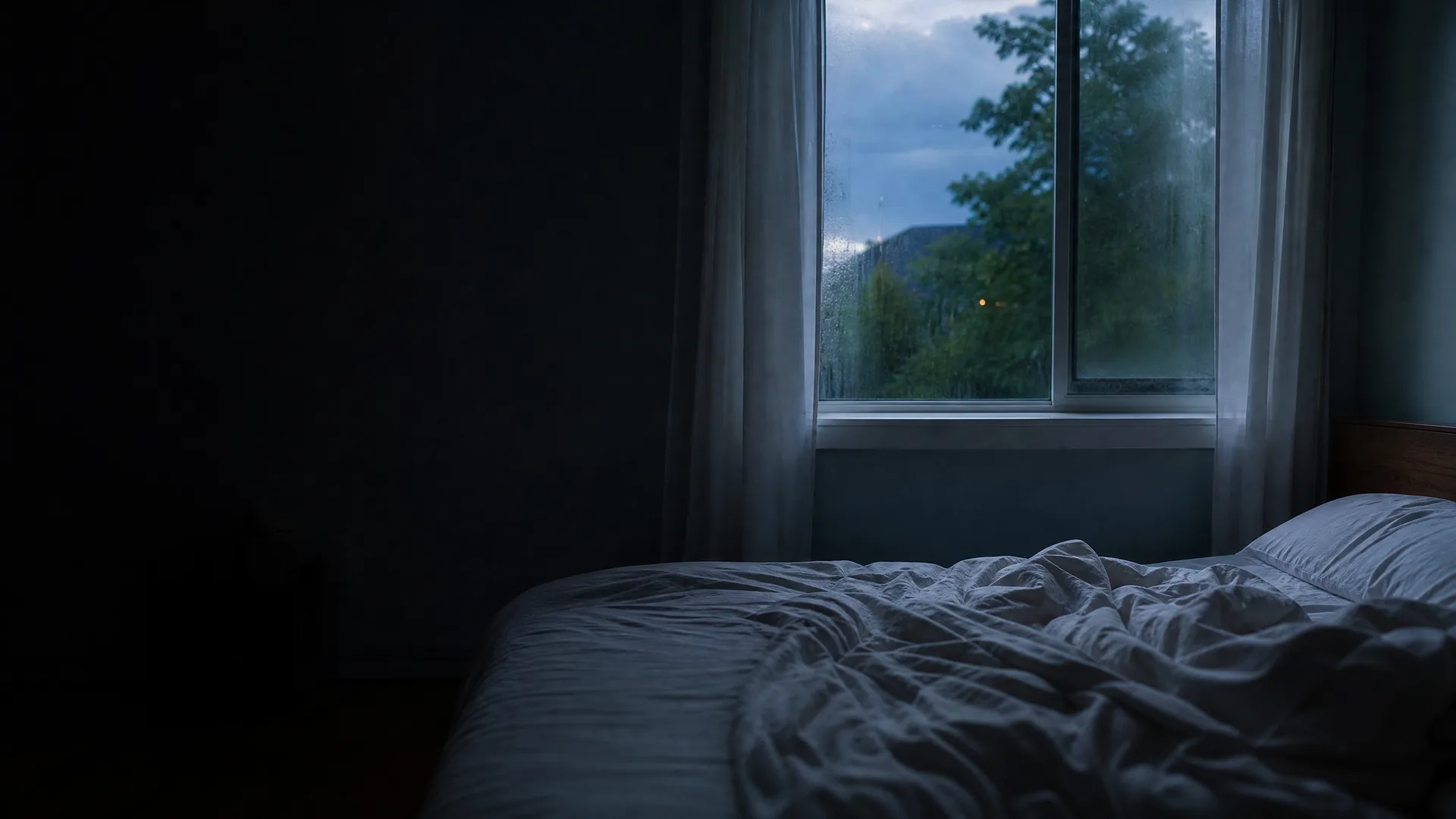
A dimly lit bedroom with an unmade bed and pillows beside a window with sheer curtains, showing trees and a hill under a dusky sky outside.

It's past midnight in January and the bedroom in Neosho is cold enough that you can see your breath near the window. The sheets are pulled up to your chin but your feet stay cold under the blanket. The vent by the closet is pushing air that doesn't feel warm, just less cold than the room. Outside the window the glass has a thin skin of frost at the corners, and somewhere out back the outdoor unit clicks and hums through another cycle. You get up once to check the thermostat. It says 70. The room says otherwise, and you pull another blanket from the closet shelf before you lie back down.

A woman in a long cream cardigan and jeans stands at an open wooden front door of a gray shingled house with stone-based porch columns, with a second person visible inside, and potted flowers and shrubs beside the entry.

A heat pump blowing cold air has a reason behind it

Your heat pump is either stuck in defrost, losing to ice on the outdoor coil, or leaning on backup heat that isn't keeping pace with a Newton County cold snap. Those are the three things worth ruling out, and a technician can tell which one within minutes of looking at the outdoor unit and the air coming from your vents. You don't have to guess at it from inside the house while the rooms stay cold.

What you don't have to do is spend an evening looking up contractors, calling a few, and explaining the same cold vents and the same clicking sound to each one. Answer a few questions about your heat pump and what it's doing, and a contractor who works on these systems in Neosho gets in touch with you directly. You explain it once, to the person who's going to fix it.

A speckled beige ceramic vase holding thin dried branches sits on a round wooden table near a window with sheer curtains, with a dark upholstered chair and draped blanket blurred in the background.
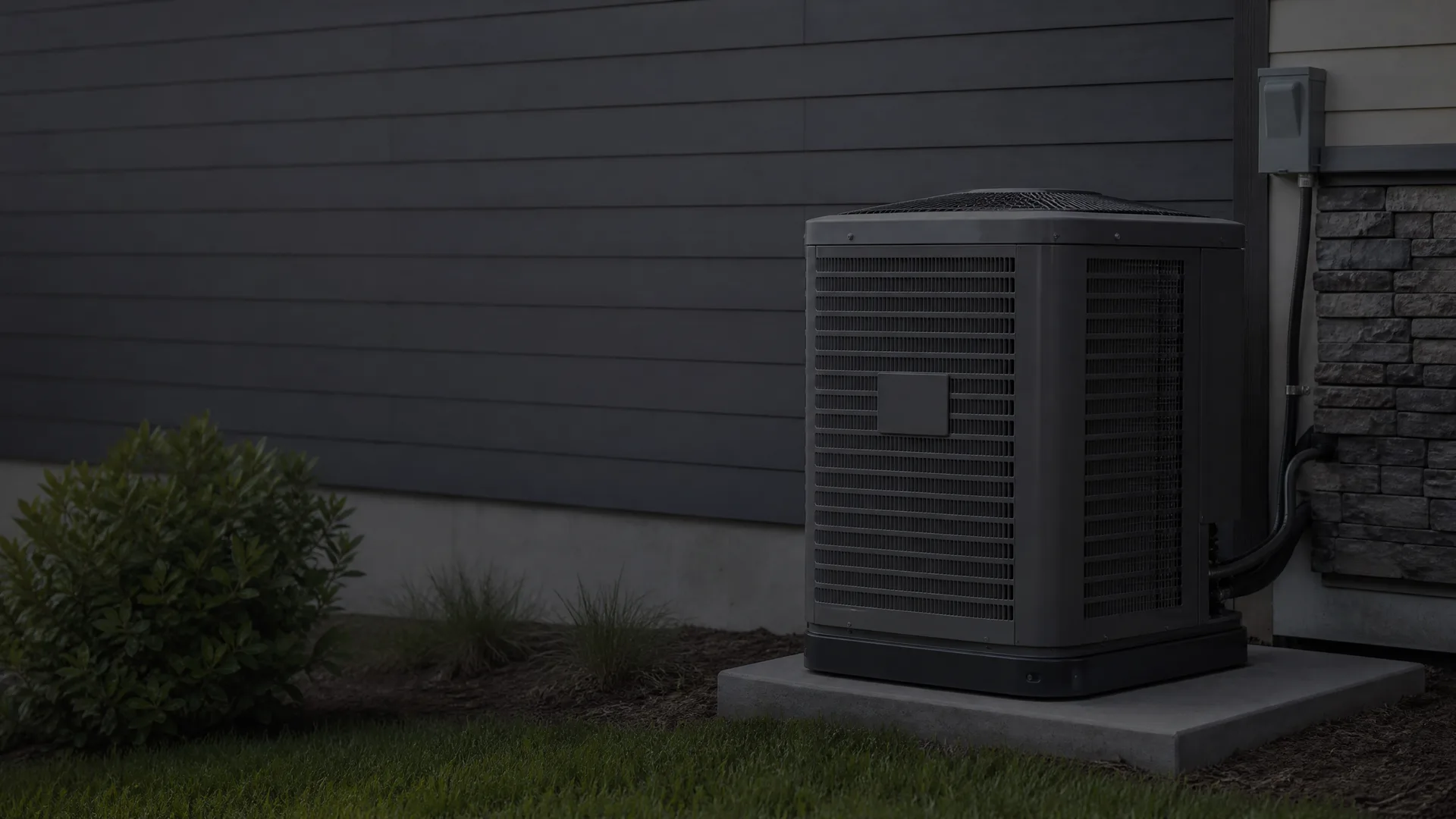
An outdoor air conditioner condenser unit on a concrete pad beside a house with dark horizontal lap siding and a stone-veneer corner, with a shrub, grass and mulch bed to the left and an electrical box and conduit on the wall above.

Matched to your heat pump job

Describe what your heat pump is doing once, in one form.

Step 1 of 3: Equipment