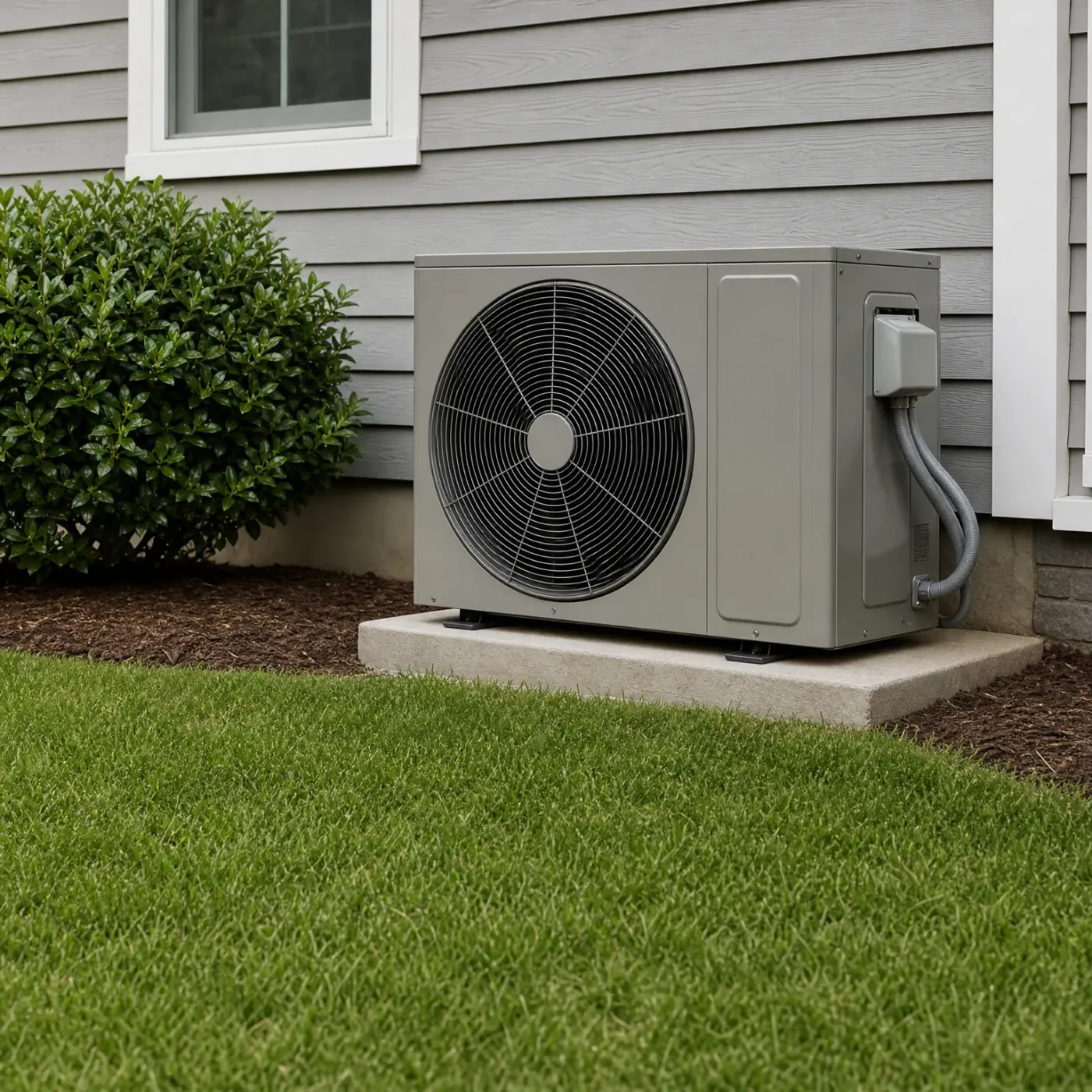
Clean and clear outside
The coil and grille are free of dirt, the pad is clear, and the lines running to the disconnect box are intact. Air moves through the coil the way it should, so the unit can actually pull heat from the cold air around it.
Cold is setting in and the heat pump is running but the air coming out doesn't feel warm, or the system has stopped putting out heat at all. In Joplin, where winters get cold enough that a heat pump working wrong isn't something to sit on, you want to know whether this is something simple or a sign the system is in real trouble before the next cold snap.
A heat pump pulls heat from the outside air, so cold air blowing from the vents for a few minutes at a time is often just the system in defrost mode, clearing frost off the outdoor coil before it switches back to heating. If that's not it, a low refrigerant charge or a failing reversing valve will keep the system from delivering real heat even though it keeps running. Jasper County winters get cold enough that a heat pump losing its heating capacity shows up fast, since most homes here rely on electric heat and don't have a furnace backing it up. A system that can't keep the house warm on its own needs a look before the next cold stretch.




A heat pump doesn't burn anything to make heat. It moves heat that's already in the outdoor air into the house, using the same refrigerant cycle as an air conditioner, just running backward. That switch happens at the reversing valve. When it's working, a solenoid shifts refrigerant flow so the outdoor coil absorbs heat and the indoor coil releases it. When it sticks, the system stays locked in cooling mode no matter what the thermostat is set to, and the air at the vent comes out cold.
Cold outdoor air brings its own problem. Once temperatures drop below freezing, moisture in the air can frost onto the outdoor coil. The system is built to handle this. It runs a defrost cycle every so often, briefly reversing again to melt that frost off, which is why a heat pump will blow cool air for a few minutes even when it's running correctly. A defrost control board tells the system when to start and stop that cycle. If the board fails, the coil can stay iced over, and a coil caked in ice can't pull heat from the air no matter how long the fan runs.
Refrigerant charge matters more in heating mode than people expect. A system low on charge struggles to extract heat from cold air, even with everything else working. When outdoor temperatures drop far enough that the heat pump alone can't keep pace, backup electric heat strips kick in to cover the gap.
Winter nights average 27°F
Winter nights in Jasper County average 27°F, and that's the cold your heat pump has to pull heat out of to keep the house warm.
Heat runs October through April
Heat runs here from October through April, about seven months. That's seven months a year your heat pump can't afford to sit broken.
Cooling runs May through September
Cooling runs May through September. The same system doing both jobs means a part that wears out hits you in both seasons, not just one.
NOAA nClimDiv 1991-2020
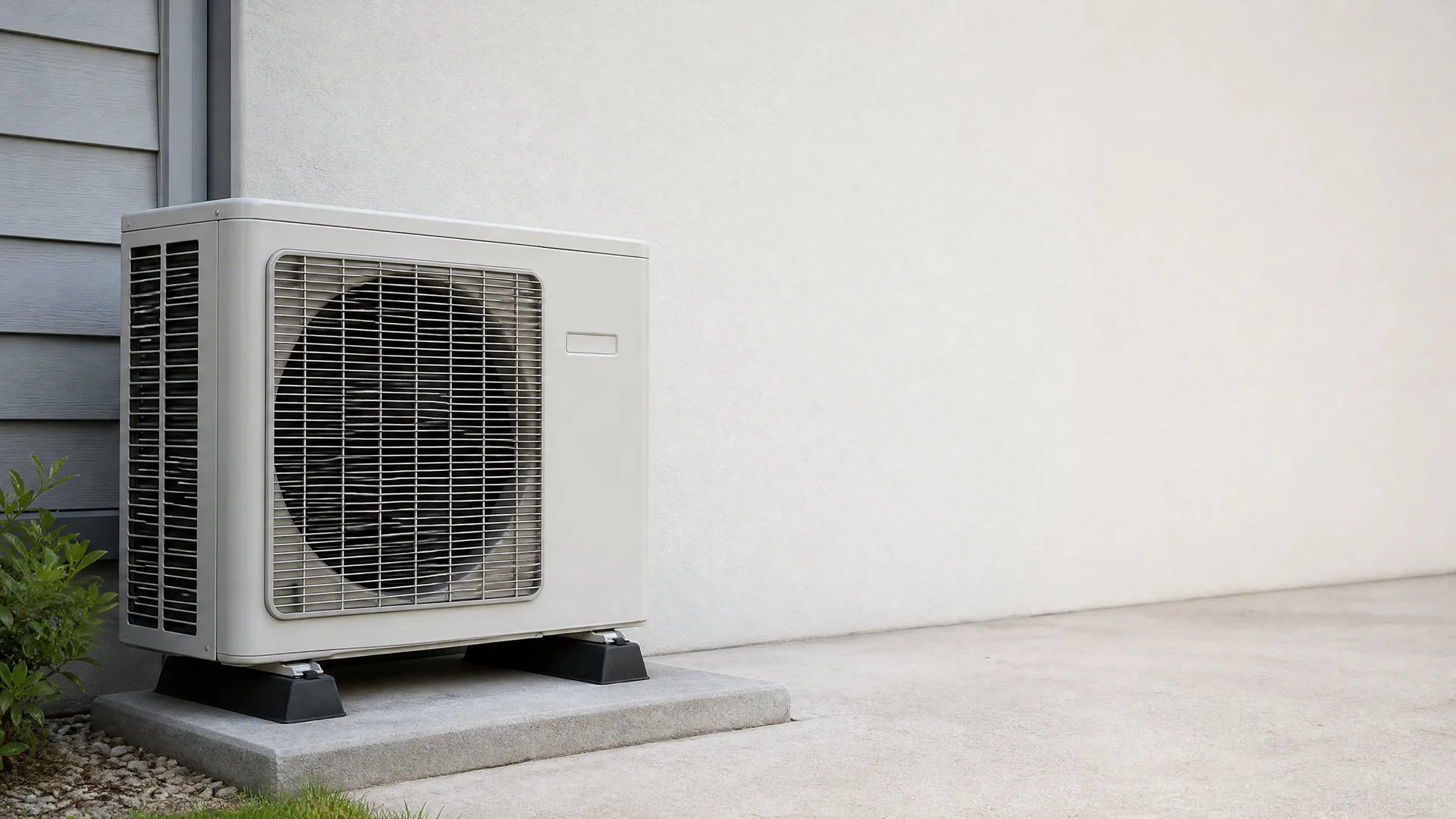
Below freezing, a heat pump pulls heat from outside air that holds very little of it. The outdoor coil is doing the hard part of that work, and frost builds on it fast once temperatures drop. A working defrost cycle melts that frost off every so often so the coil can keep pulling heat. When defrost fails to kick in, the coil iced over stops transferring heat at all, and the air at the vent turns cold.
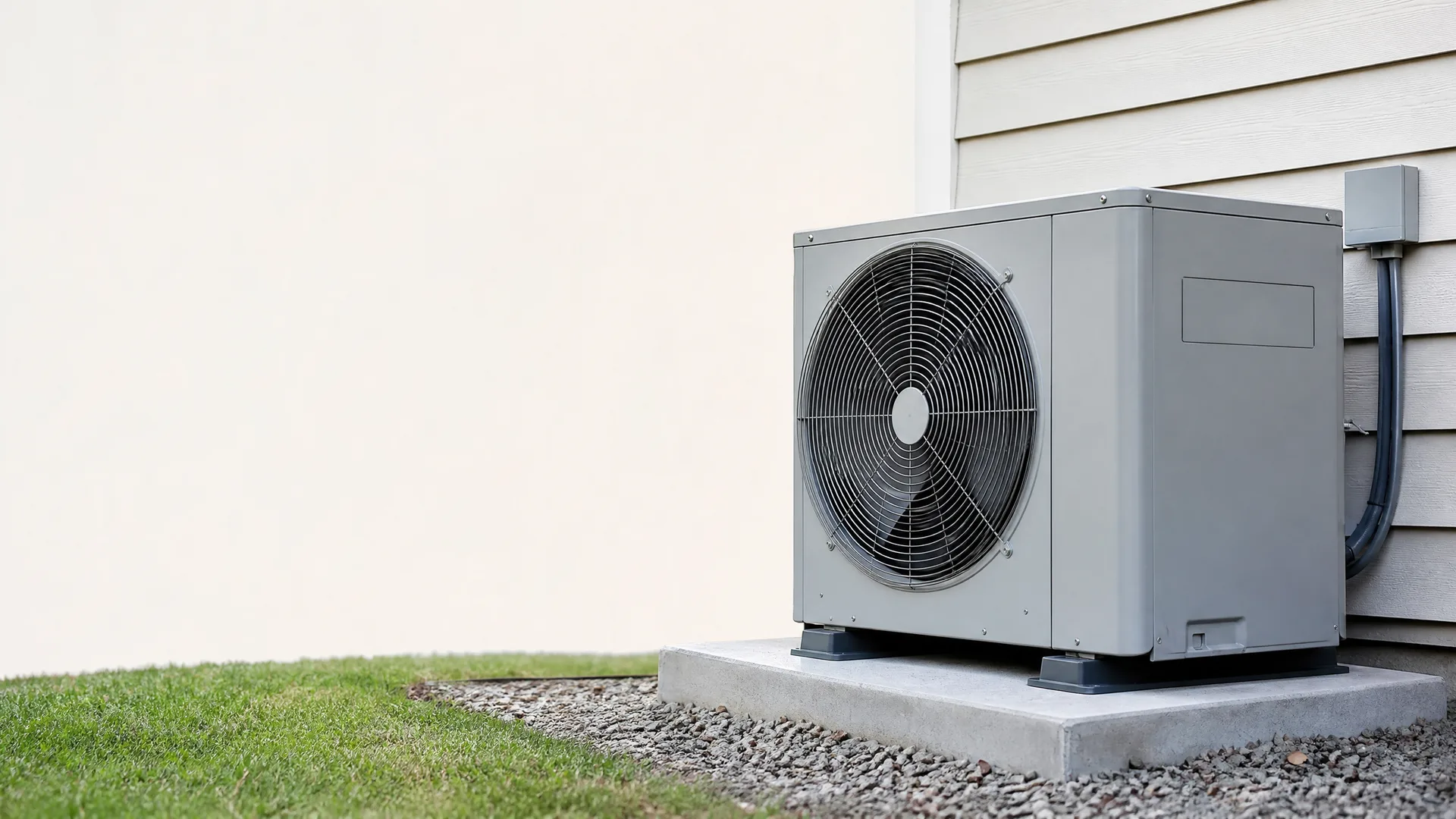
Most heat pumps here pair with electric resistance backup strips that switch on when outdoor temperatures drop too low for the heat pump alone, or when the system is in defrost. If those strips fail, the thermostat may still call for heat without the house ever feeling it. On the coldest Jasper County nights, below that 27°F average, backup heat is doing real work, and a homeowner who notices the vents running cooler on the coldest nights is noticing something real.
Send the request today and let a heat pump pro reach out to you.
You only hire the pro if you want to.
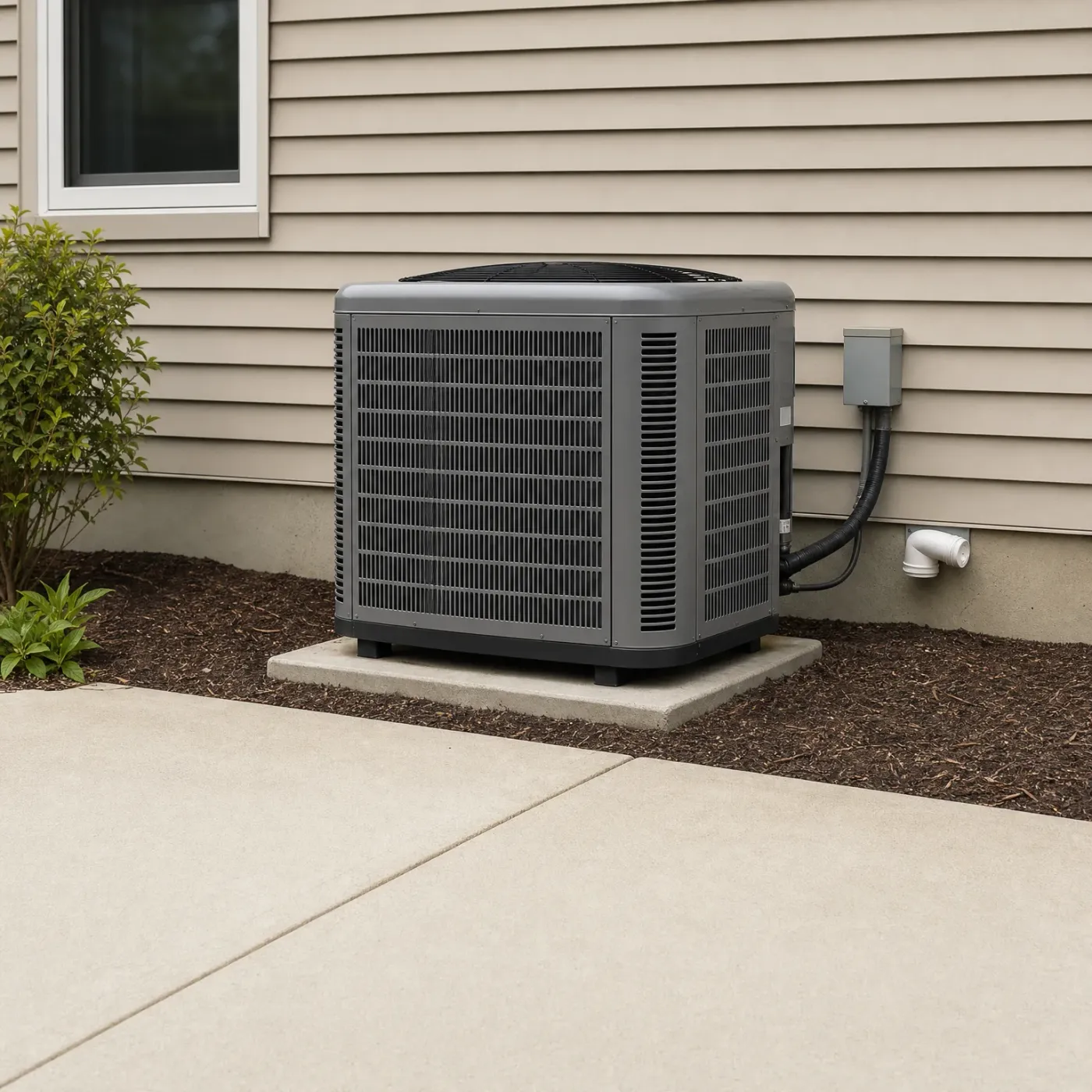
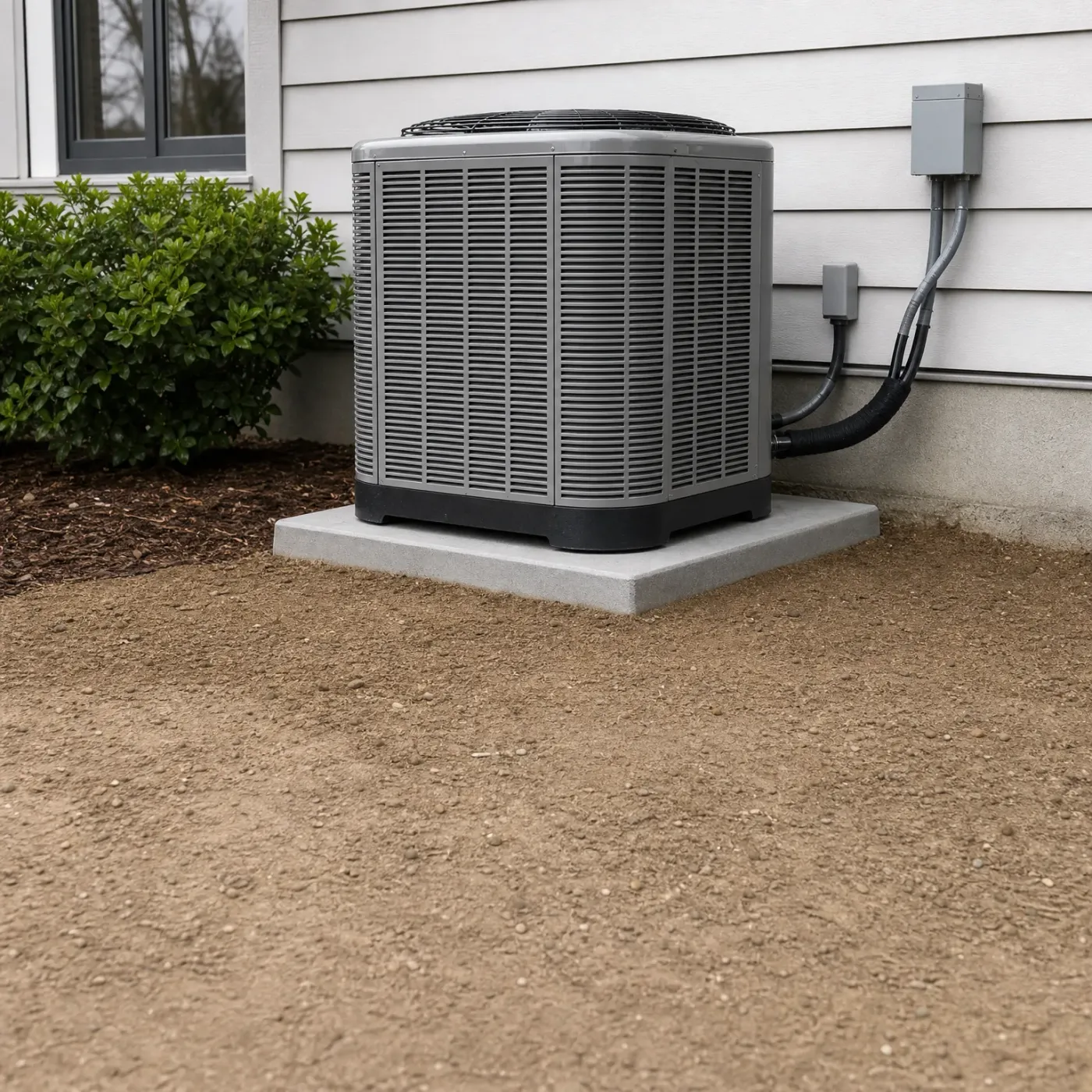
The coil and grille are free of dirt, the pad is clear, and the lines running to the disconnect box are intact. Air moves through the coil the way it should, so the unit can actually pull heat from the cold air around it.
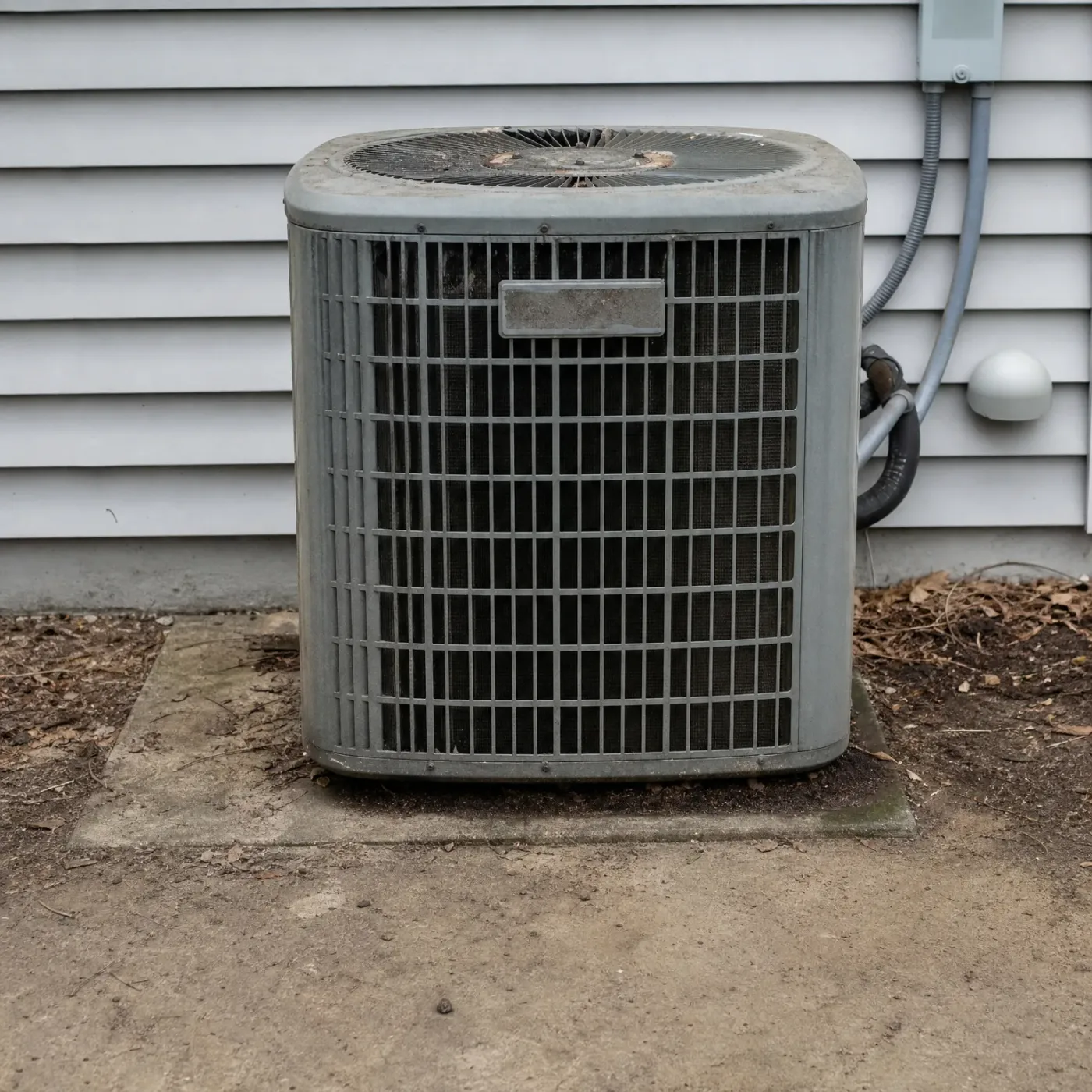
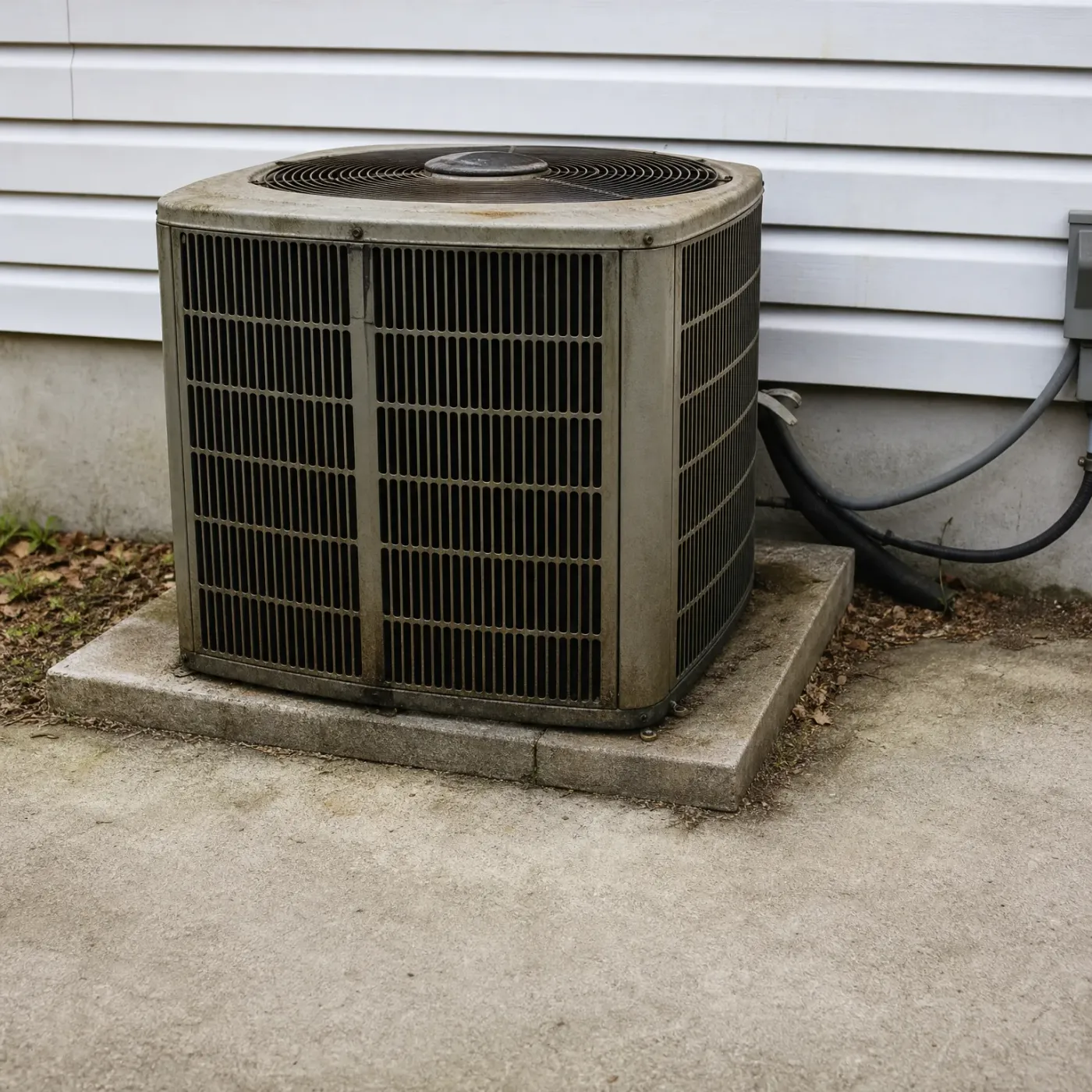
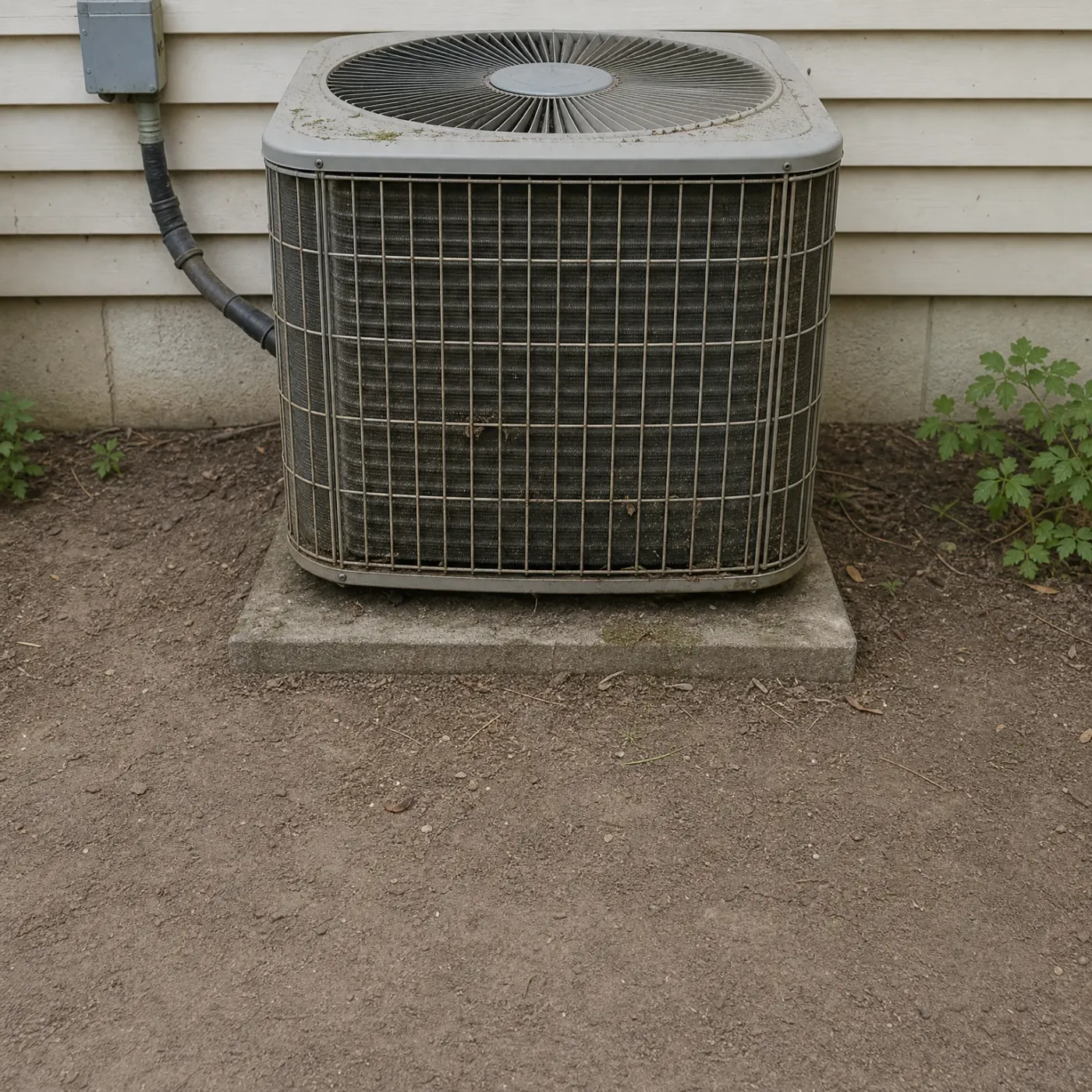
Dust and grime cake the grille and top panel, and dead leaves pile against the base. That buildup blocks airflow across the coil, and a heat pump fighting for airflow struggles to put out warm air no matter how hard it runs.
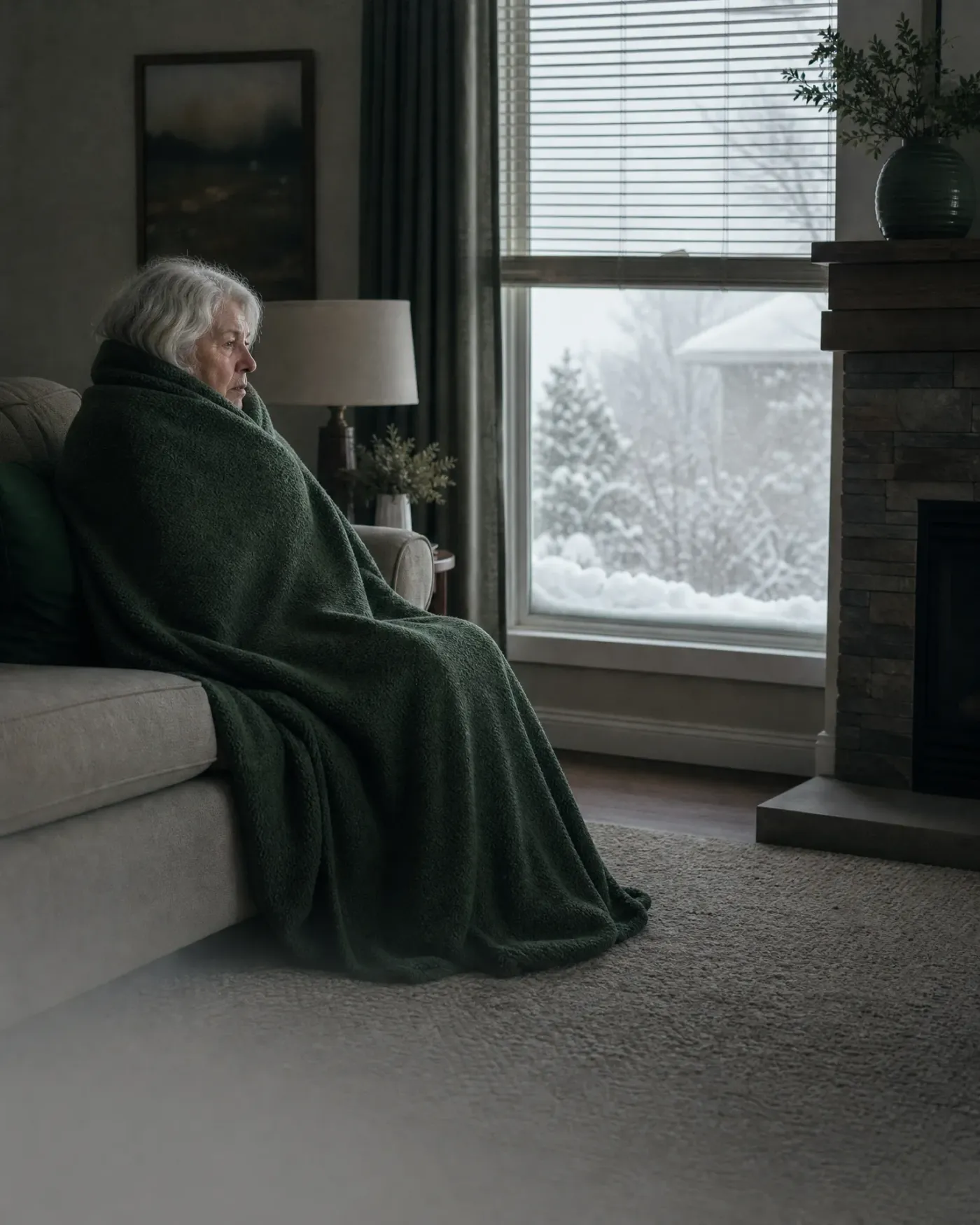
Walk through the rooms and check the vents by hand. Air moving but barely warm, or room to room temperatures that don't match, both point to the same problem. You might hear the outdoor unit running nonstop, longer than it used to, trying to keep up. Some homes notice the thermostat calling for heat but the house losing ground anyway, especially overnight when it's coldest. If this drags on through a stretch of cold Jasper County weather, pipes in unheated spaces and anyone sensitive to cold in the house are the ones who feel it first. A heat pump that won't hold a room above the mid-60s on a cold night isn't keeping up, and that's worth paying attention to before it gets colder.
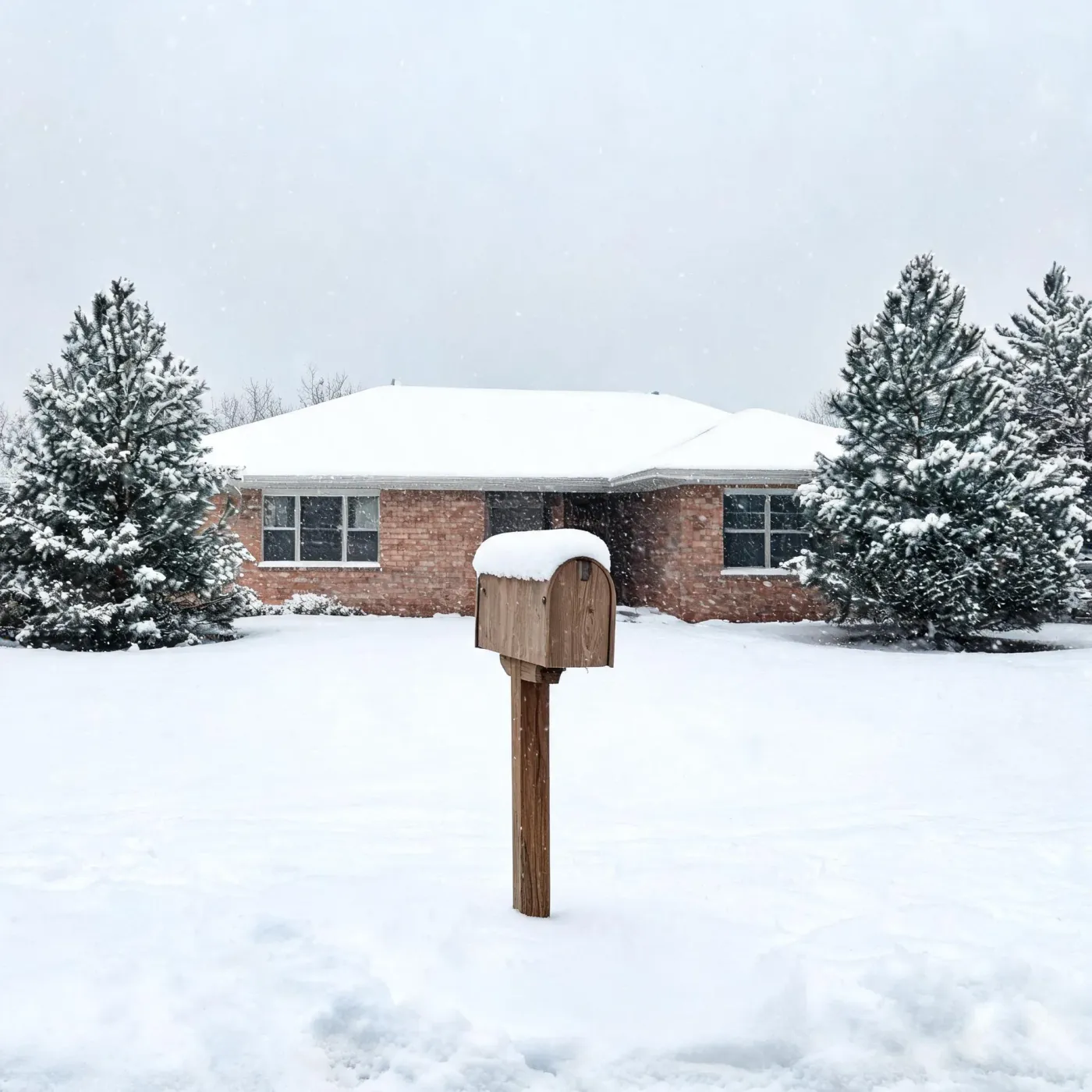
Winter nights in Jasper County average 27°F, and that's the air your heat pump has to draw heat from to keep rooms warm. At that temperature the unit leans harder on its defrost cycle, cycling the outdoor fan off and on to melt frost before it chokes the coil. You'll notice longer run times and warm air at the vent that feels milder than a furnace's. If the air turns cold instead of mild on nights this cold, something in that process has stopped working. Source: NOAA 1991-2020 Climate Normals.
NOAA nClimDiv 1991-2020


A refrigerant leak, a failed reversing valve, or a dead compressor can leave the system running without putting out any real heat at all.
Frost built up on the outdoor coil, a dirty filter, or weak airflow can make a working heat pump fall behind on a cold Jasper County night.
At 14.50 cents a kilowatt-hour, a heat pump running right still costs less to run than the electric strip heat kicking in behind a broken one. When a heat pump can't pull heat from outside air, your system leans on backup heat to keep rooms warm, and that shows up on the bill fast.
EIA-861 2025
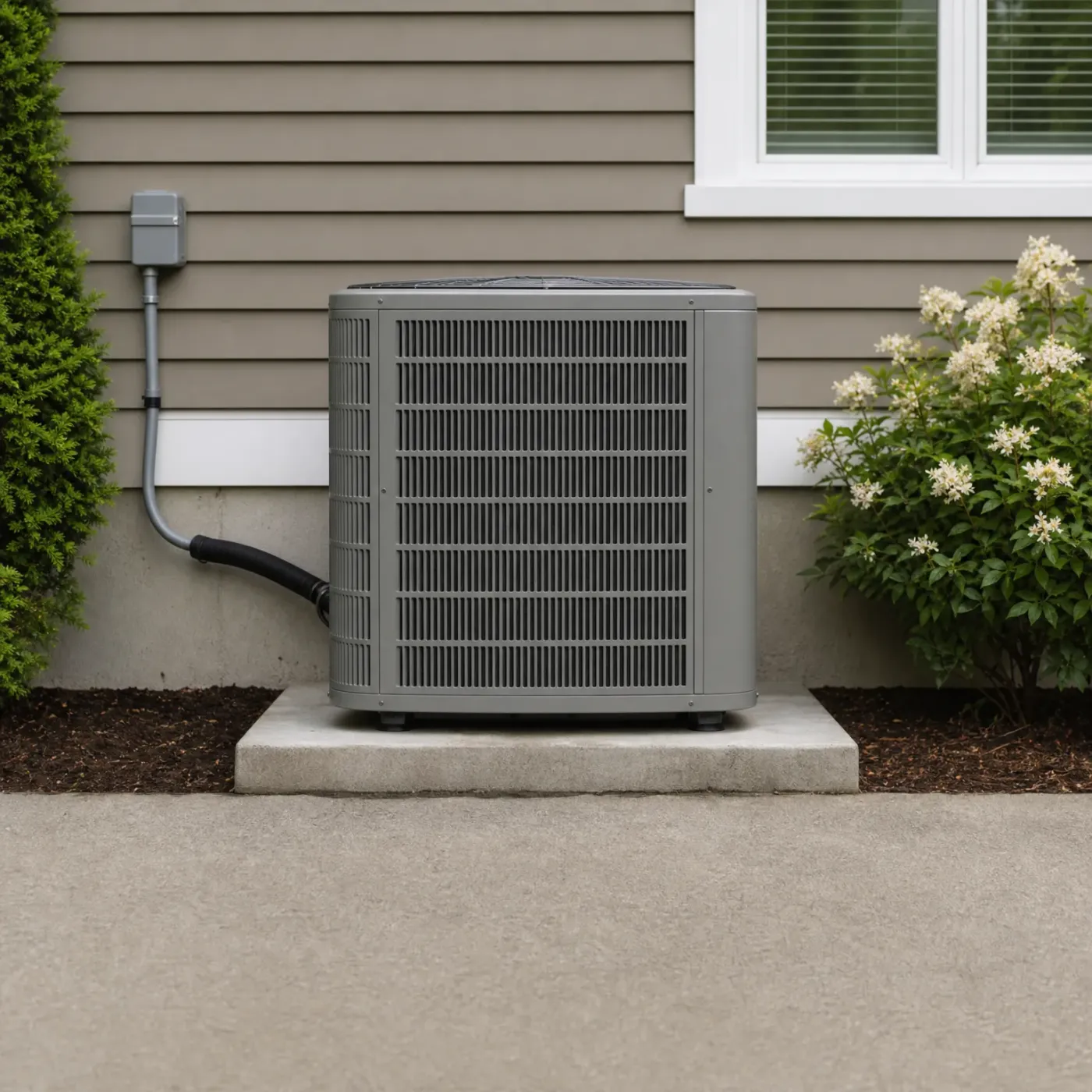
Lines run clean from the disconnect box to the unit, and the coil fins stay open so air passes through them. A heat pump like this pulls heat out of cold air without a fight, even on a 27°F night, and keeps the house warm without leaning on backup strip heat.
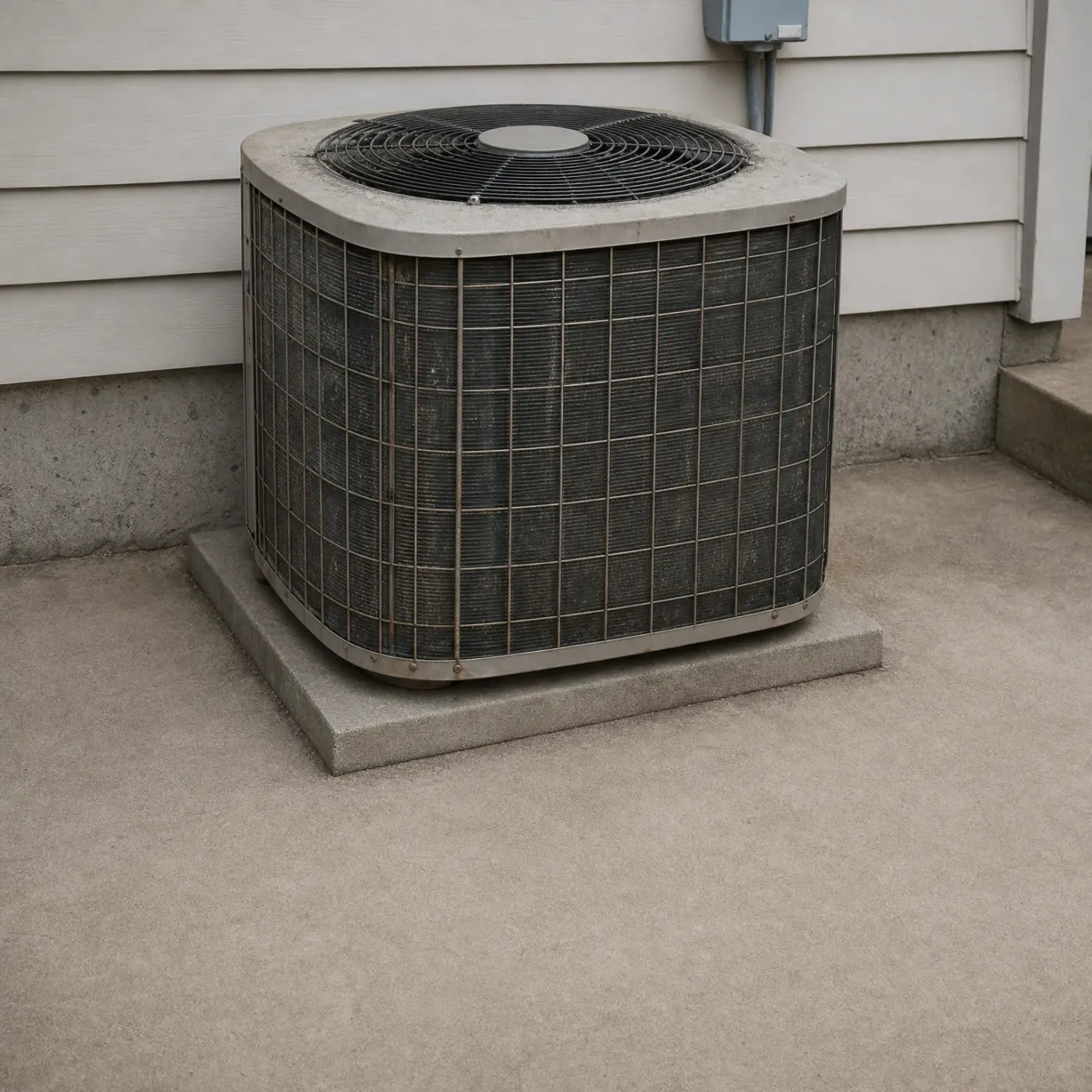
Dirt packed into the fins and grille blocks the airflow the coil needs to pull heat from outside air. The unit works harder to do less, frost builds faster once temperatures drop, and the house ends up relying on backup heat to stay warm.
A heat pump that won't heat usually comes down to one part failing to do its job: the reversing valve stuck in the wrong position, frost that never clears off the outdoor coil, a refrigerant leak, or a compressor that's given out. Whichever it is, the fix is a repair a licensed contractor makes, not something that gets better on its own while a Jasper County night sits at 27°F. Letting it run blowing cold air strains the system further and leaves the house cold in the meantime. Once you send the form, you're done hunting for who to call. The matching happens, a contractor reaches out, and from there it's their job to find the problem and get your heat pump putting out warm air again. You don't have to diagnose it yourself or know which part failed before you ask for help. That part is theirs to work out once they're looking at the unit in your yard.

No fee to send it, and nothing to sign.
A cold house gets harder to warm back up the longer a heat pump runs without doing its job, and electric strip heat picking up the slack costs more the whole time it's working against the problem instead of the actual fix. Sending the request now gets a contractor looking at the real cause.