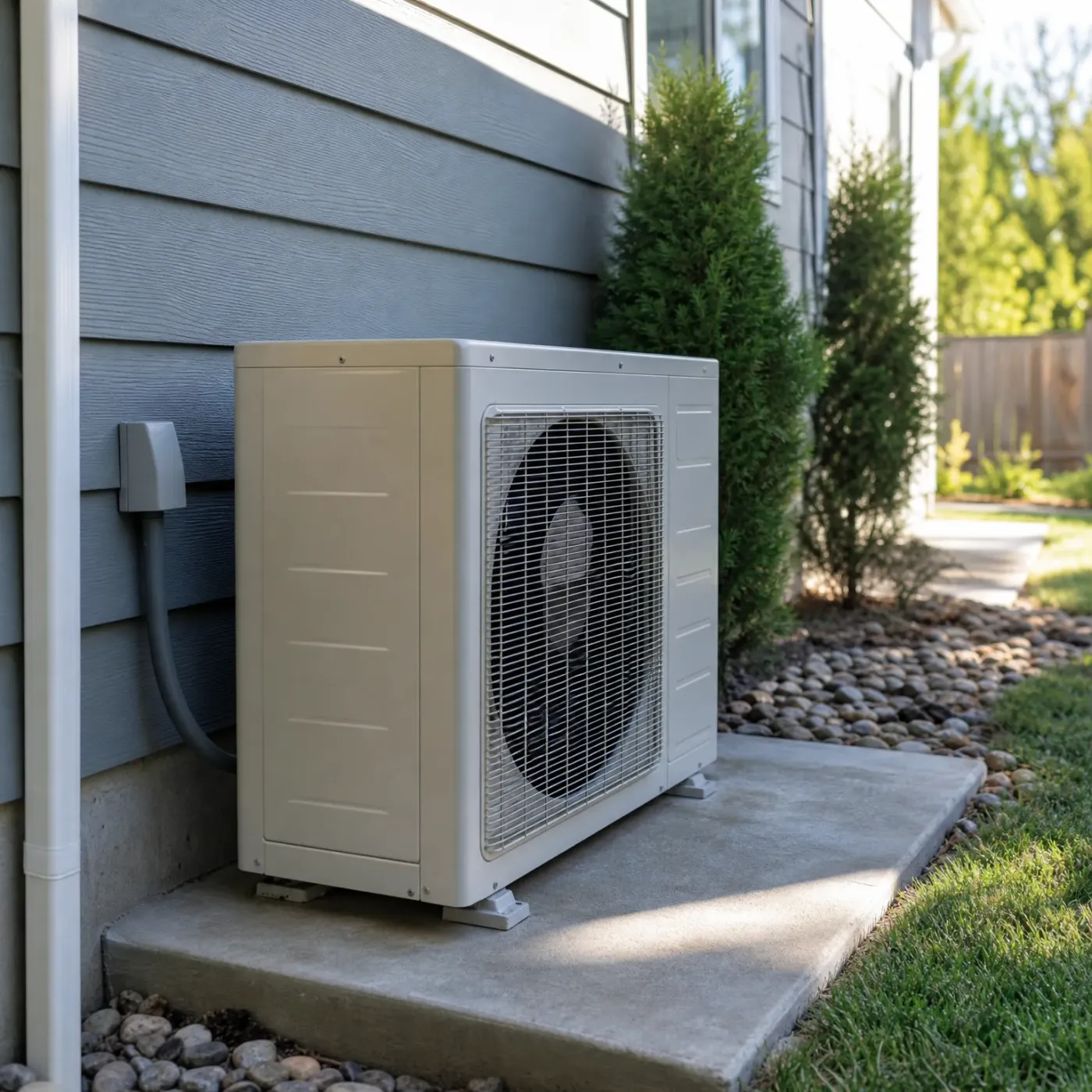
Heat pump making a loud noise in Nixa, MO

Step 1 of 3: Equipment

Why is my heat pump making a loud noise?

A loud noise from a heat pump usually shows up at the worst time, right when it's working hardest to keep the house comfortable through a Nixa winter or a sticky summer. Some noises mean the unit can keep running for now. Others mean it's about to stop, or already causing damage. The sound itself is the clue, and what it means depends on where it's coming from and what kind of noise it is.

It depends on the sound, but most loud noises point to a part that's loose, worn, or failing

A rattle usually means something has come loose, a panel, a screw, or debris caught in the outdoor unit. A grinding or screeching sound points to the fan motor bearings wearing out. Banging or clanking often means a part inside the compressor has broken loose, which is serious. A buzzing noise can mean an electrical issue or a failing contactor. Clicking at startup and shutdown is normal, but repeated or constant clicking is not. With Christian County winters pushing the system hard for months, a worn part under strain tends to fail sooner rather than later. The noise is worth taking seriously before it turns into a system that won't heat or cool at all.

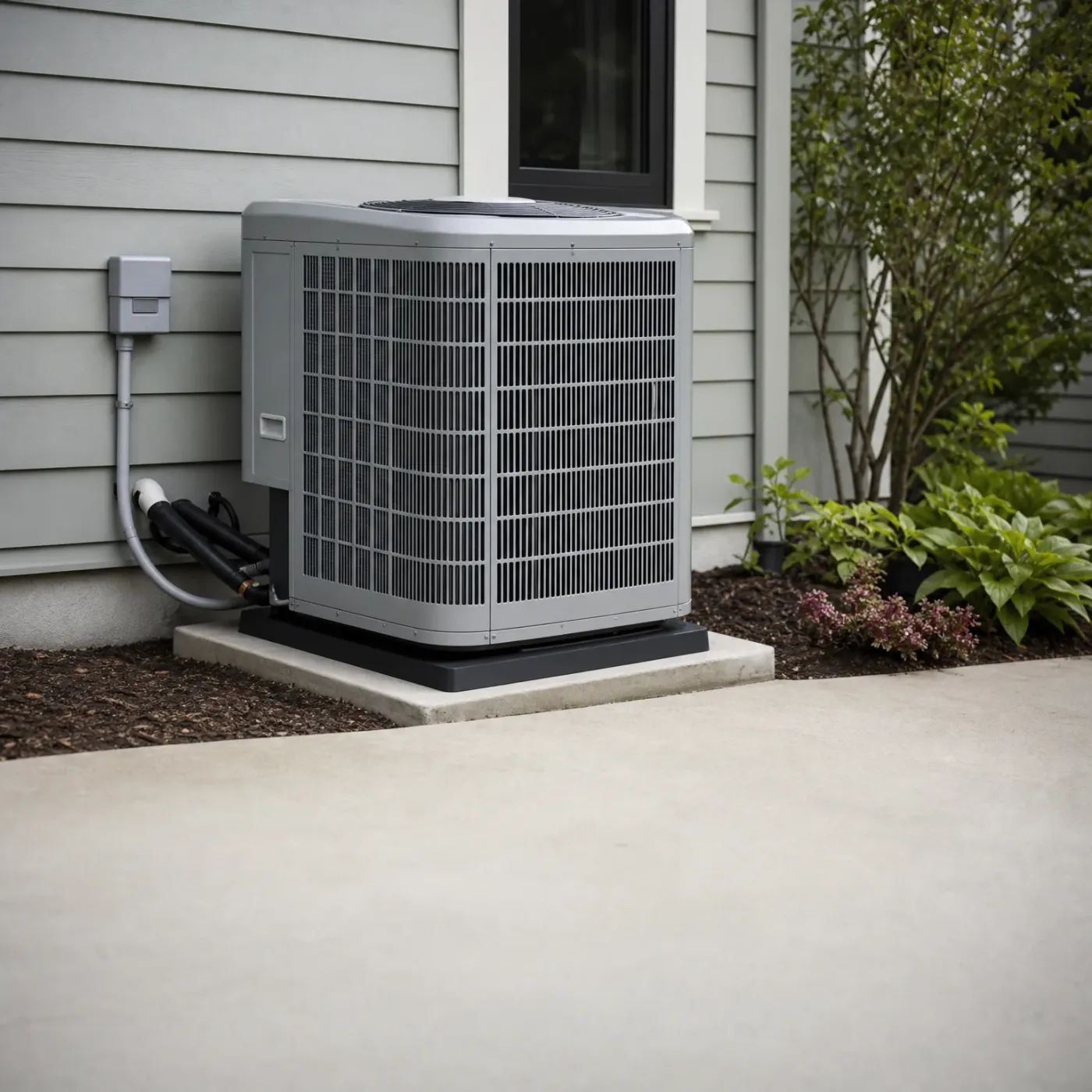
A gray outdoor condenser unit on a concrete pad beside a light-colored lap-sided house, with a wall-mounted disconnect box, refrigerant lines, mulch bed and shrubs, and a concrete walkway in the foreground.

Running quiet

A heat pump that's working right hums steady, with maybe a faint whoosh of air at the vents. The fan turns smoothly, the lines stay secure, and nothing rattles against the cabinet. You can stand next to it and not think twice about what you're hearing.

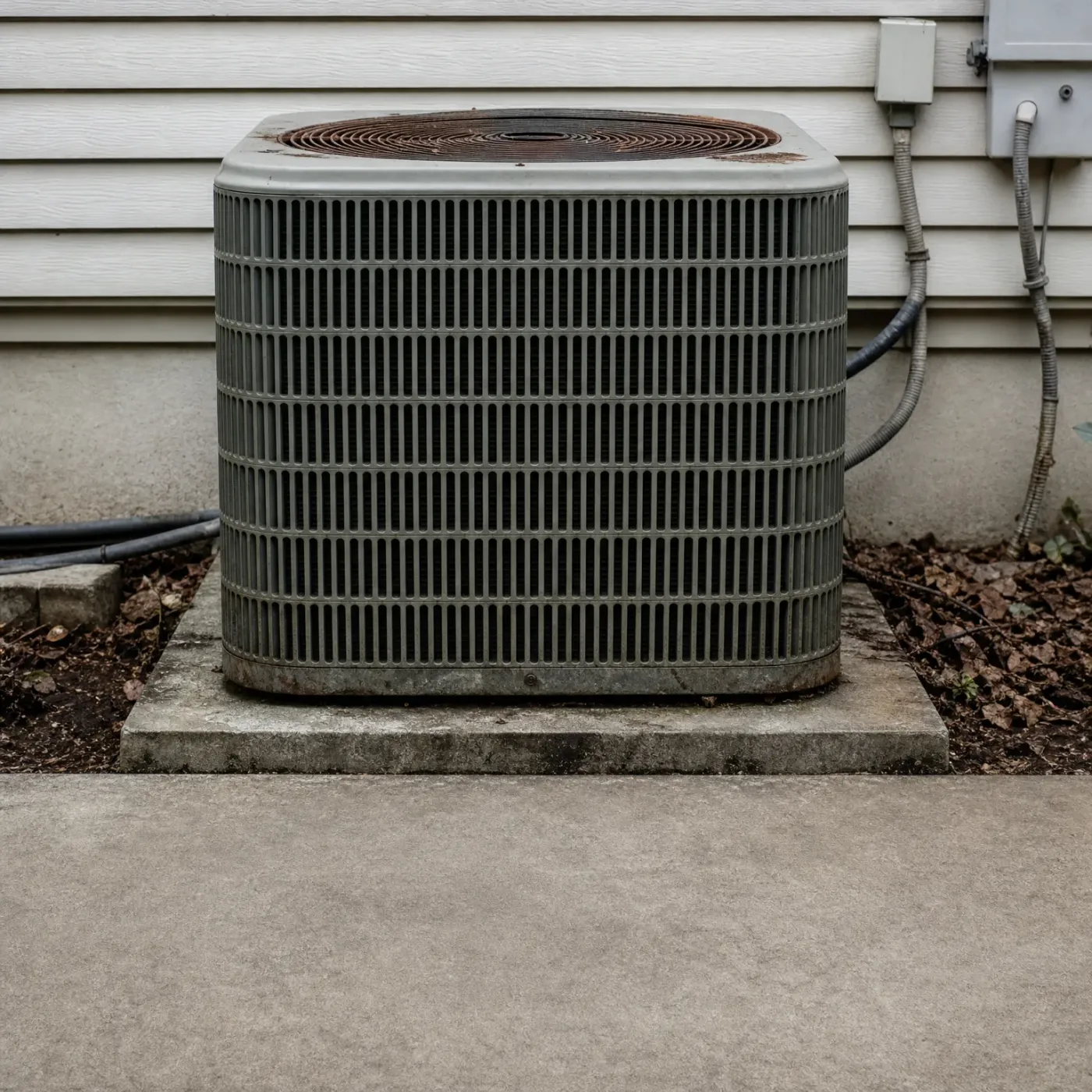
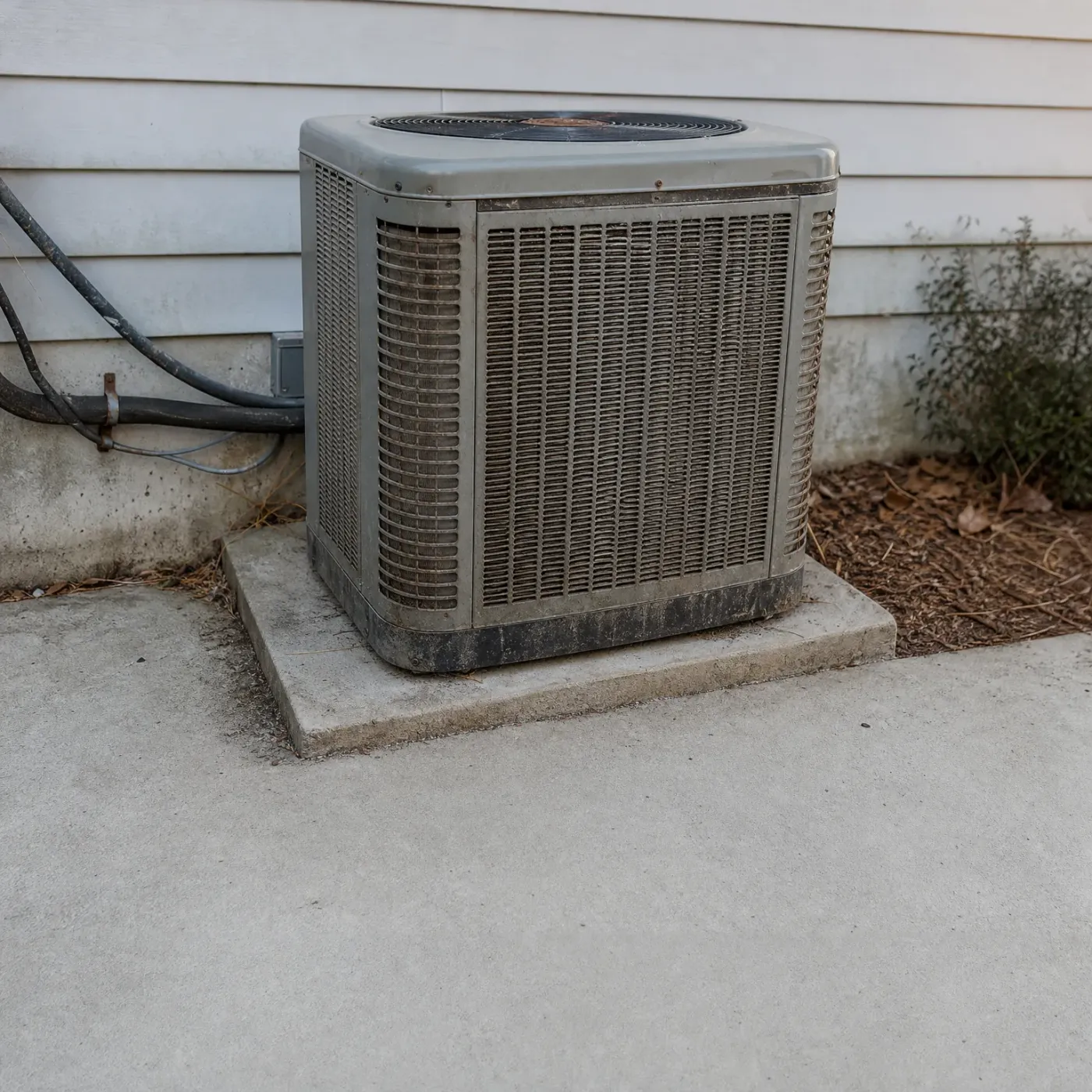
An outdoor air conditioner condenser unit with rust spots on its top grille sits on a concrete pad beside a house with light horizontal siding, with conduit lines and an electrical box on the wall and a mulch bed to the right.

Something's wrong

Rust on the grille and dirt packed around the base are signs this unit has been working hard for years without much attention. A loud bang, a grinding fan, or a hard rattle from a cabinet like this often points to a worn part finally giving out.

Why does my heat pump work so hard in Nixa?

  • Winter nights average 26°F

    Winter nights here average 26°F, and your heat pump has to pull heat out of air that cold every night for months. That strain is where loose parts and bad bearings start to show up as noise.

  • Heat runs October through April

    Heat runs October through April in Christian County, about seven months of the year. A rattle or squeal that shows up now has that many more months to get worse before it stops running.

  • Cooling runs June through September

    Cooling runs June through September here, so the same unit that heats your house all winter switches over and runs through four months of Missouri summer. A noise ignored in one season meets it again in the next.

NOAA nClimDiv 1991-2020

What's Actually Making That Noise

  • A heat pump switches to a reversing valve to shift between heating and cooling, and a failing one often clicks or buzzes at the switch.
  • The outdoor fan blade can hit a bent fin guard or a stray stick, which sounds like a metallic tapping that comes and goes with fan speed.
  • A loose compressor mount lets the compressor shake against the cabinet, producing a steady rattle that gets louder as the unit runs longer.
  • During a defrost cycle the unit may hiss or whoosh as it briefly reverses and melts ice off the outdoor coil, which is normal for a few minutes.
  • A failing dual run capacitor makes the compressor or fan motor strain to start, and that strain can sound like a hard knock or hum.
  • Refrigerant moving through a restricted line can sound like a high pitched whistle, especially right as the system kicks on.

Every noise a heat pump makes points to a specific part doing something it shouldn't. The reversing valve is what lets the unit switch between pulling heat in during winter and pushing it out during summer, and when it starts to fail you'll hear a click or buzz right at the moment it switches. Outside, the fan blade spins close to the fin guard, and if that guard gets bent, or a stick or piece of debris gets inside the cage, you'll hear a metallic tap that speeds up and slows down with the fan itself. Inside the cabinet, the compressor sits on rubber mounts, and once those mounts wear out or loosen, the compressor shakes against the sheet metal around it, and that rattle gets worse the longer the unit runs. Not every noise means trouble. During a defrost cycle, the system briefly reverses to melt frost off the outdoor coil, and that comes with a hiss or a whoosh that lasts a few minutes and stops on its own. A capacitor that's going bad can't deliver the jolt the compressor or fan motor needs to start smoothly, so instead of a clean start you get a knock or a strained hum. And if refrigerant is moving through a line that's partly blocked, it can whistle at a high pitch, usually right as the system kicks on. Knowing which of these you're hearing is the difference between a quick fix and a bigger repair.

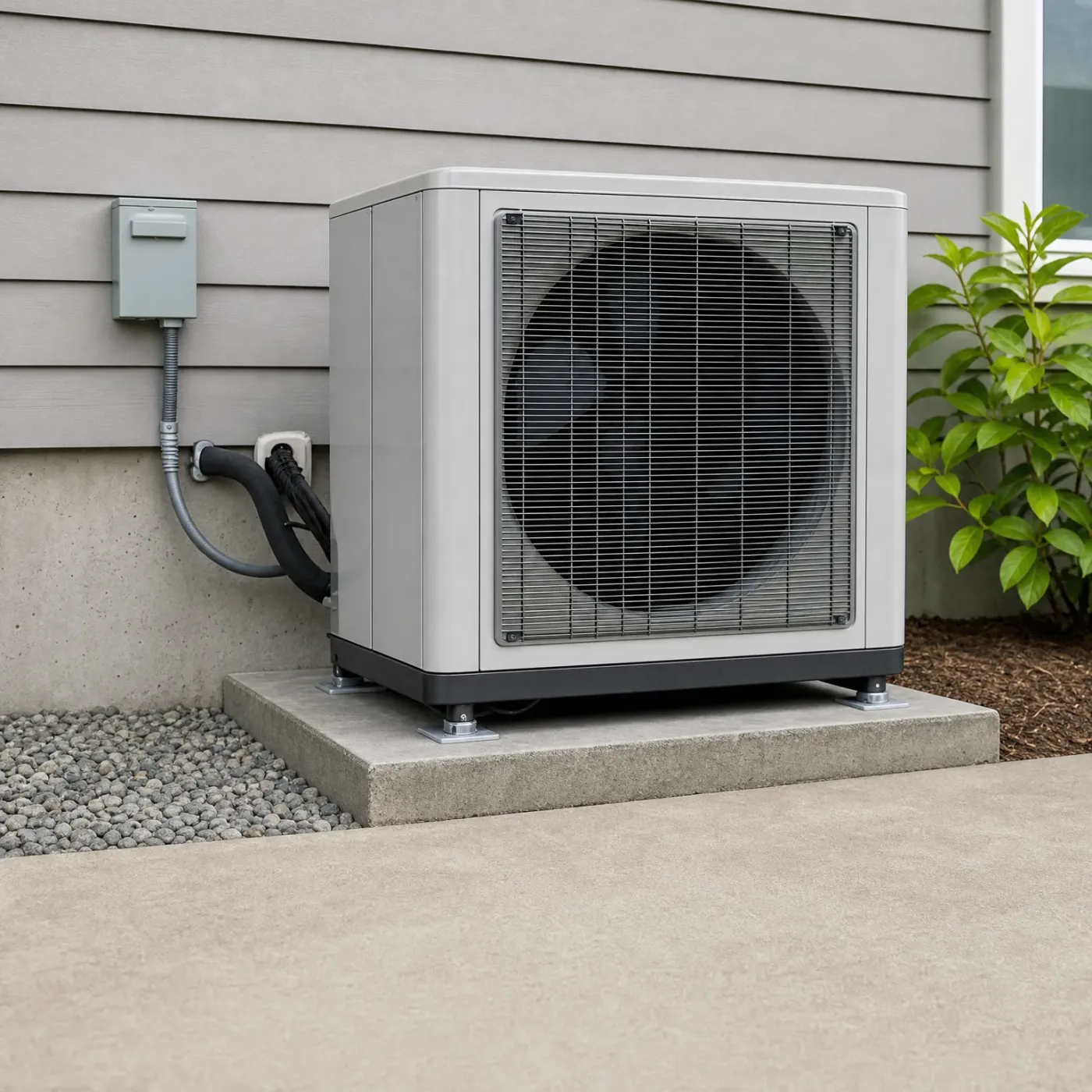
A light gray outdoor heat pump unit mounted on a concrete pad beside a house with horizontal lap siding, with refrigerant lines and conduit running to a wall-mounted electrical box, gravel and a leafy shrub nearby.
This unit sits clean and steady on its pad, lines and conduit running neat to the disconnect box.
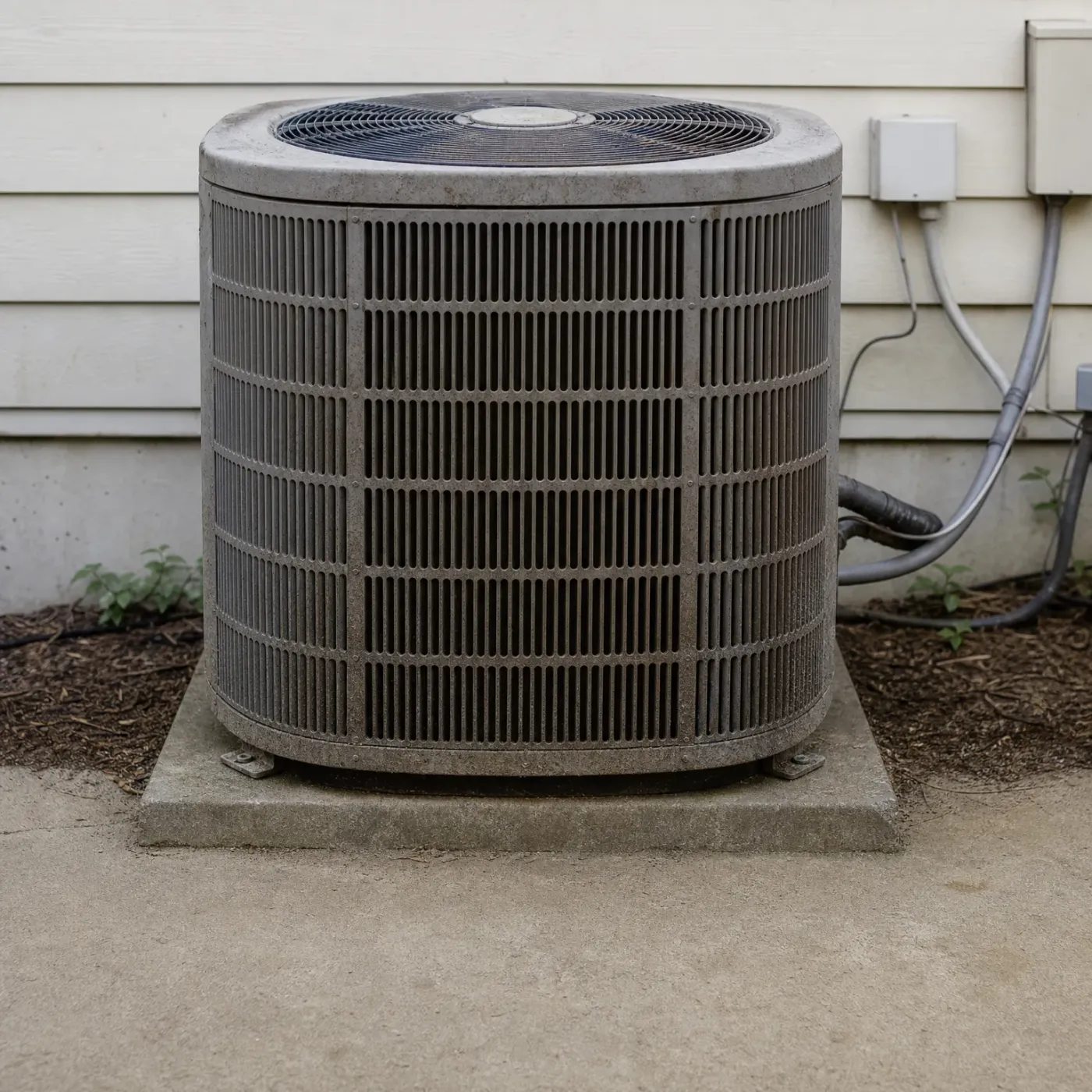
An outdoor air conditioner condenser unit on a concrete pad beside a house with horizontal siding, with conduit, cables and an electrical box on the wall and mulch beds at either side.
Dust and grime have built up thick on the cabinet, a sign the unit has gone too long without a look inside.
A gray-haired man in a dark sweater sits on a light gray sofa in a living room, looking toward a sunlit window with trees outside.
A gray-haired man in a dark blue sweater sits on a light gray sofa in a sunlit living room, looking off to the side, with a potted plant, shelving unit, and large glass doors behind him.
A bearded man with graying hair in a dark green sweater sits on a sofa in a living room, looking off to the side, with a sliding glass door and a dim kitchen doorway behind him.
A gray-haired man in a dark knit sweater sits on a light gray sofa in a living room, looking toward a sunlit window, with houseplants, a lamp, and framed art in the background.

Call Now or Watch It

Call someone now

  • A loud bang or metal-on-metal grinding usually means a part is already broken, and running the unit longer can wreck the compressor.
  • If the noise started suddenly and got worse within a day, waiting lets a cheap fix turn into a compressor replacement.
  • A heat pump that's screeching or shaking on its pad in the middle of a cold Nixa night isn't going to quiet down on its own.
  • Electrical buzzing or a burning smell with the noise is a safety issue, not a wear-and-tear one, and it needs attention right away.
  • If the unit won't run at all now, or trips the breaker when it tries, that's not something to live with until spring.

Keep an eye on it

  • A faint rattle that only shows up on windy days might just be a loose fin guard or panel screw, not a failing part.
  • If the noise is steady and hasn't changed in pitch or volume over a few days, it's less likely to be an emergency.
  • A mild clicking right as the unit switches between heating and cooling is normal for the reversing valve and not cause for alarm by itself.
  • Noise that only happens on defrost cycles in winter is often just the unit doing its job, not a sign of damage.
  • If the unit is still heating or cooling the house fine despite the sound, you likely have a little time to get it looked at without rushing.
  1. A tech starts the unit and listens to pin down the noise.

  2. They check the reversing valve for clicking or buzzing at the switch.

  3. They inspect the outdoor fan blade for contact with the fin guard.

  4. They check the compressor mounts and bearings for looseness or wear.

A weathered gray outdoor condenser unit sits on a concrete pad beside a house with horizontal siding, with refrigerant lines entering the wall at left and a mulched shrub bed at right.
Before you get your heat pump repair
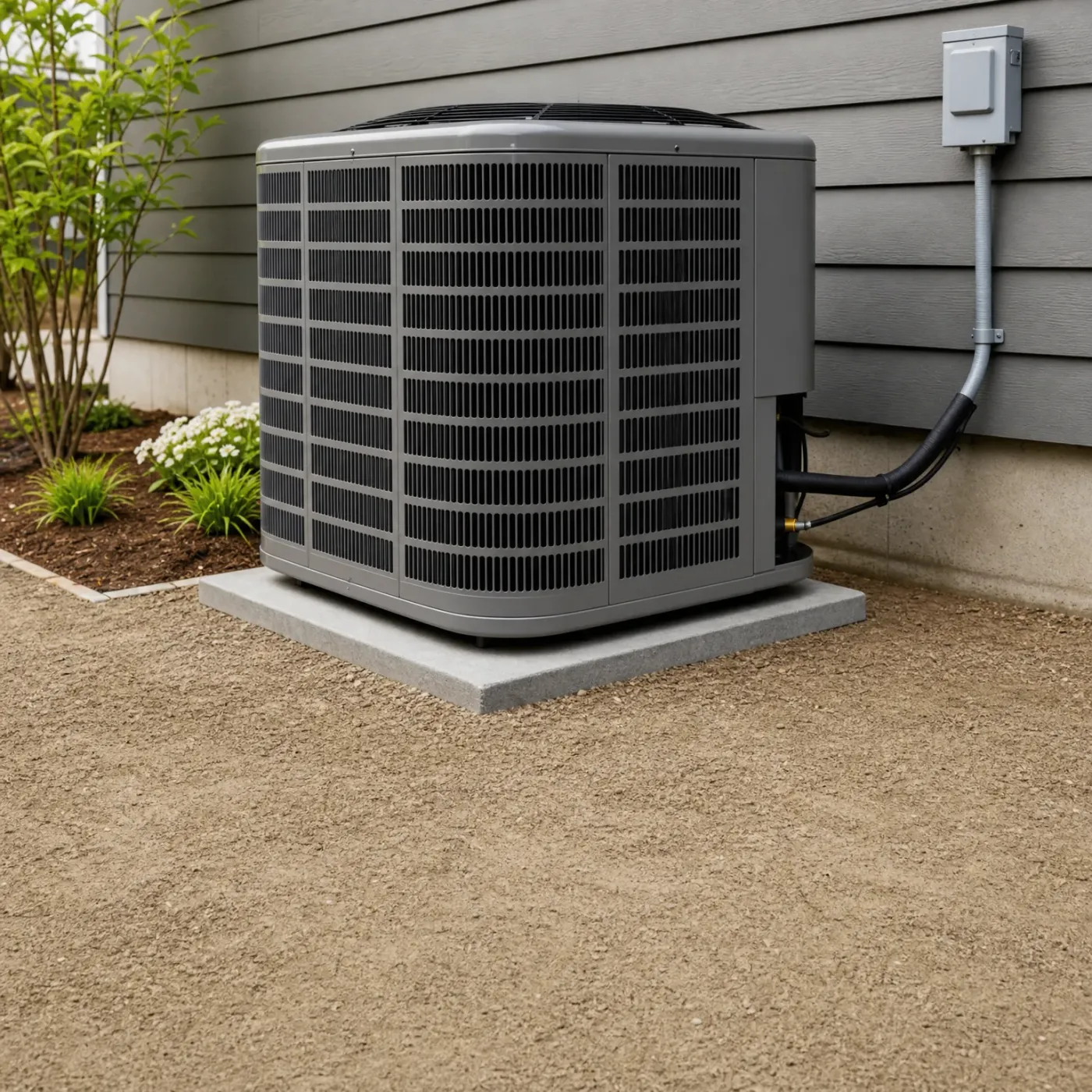
A gray outdoor condenser unit on a concrete pad beside a house with horizontal lap siding, with an electrical disconnect box and insulated refrigerant lines on the wall, gravel in the foreground and a planting bed at left.
After you get your heat pump repair

One request and it's handed off

A noise that's gotten worse since you first caught it is telling you something, and waiting doesn't tell it to stop. Heat runs October through April here, and a heat pump with a loose part or worn bearing doesn't get a break between calls, it just gets louder. Sorting out whether that's the reversing valve, a fan blade catching the fin guard, or a compressor mount working loose takes someone who's heard all three before, not a guess over the phone. One local contractor, licensed to work on your system, gets your request, so you're not stuck explaining your situation to five different companies while the unit keeps running rough. You fill out the form once. Finding the right person for this stops being something you have to chase down, and the noise stops being something you have to live with until spring.

Mounting pad and placement

A heat pump set on a cracked or sunken pad will rock a little every time the compressor kicks on, and that small movement works loose the screws and panels around it over time. Once those fasteners back out, the cabinet rattles against itself with every cycle. The unit itself may be fine. A tech can reset it on a level pad and take the vibration out of the equation before looking at anything inside the cabinet.

Refrigerant lines left loose

The copper lines running between the outdoor unit and the house are supposed to sit secured in a sleeve, cushioned where they pass through the wall. If that sleeve wears out or was never sealed right, the line picks up a buzz from the compressor and carries it along its length. You might hear the noise near the house instead of at the unit itself, which throws people off. Securing the line where it exits the wall often quiets it down without touching the compressor at all.

A middle-aged woman with shoulder-length dark hair, wearing a gray cardigan over a cream top, sits in an upholstered armchair and looks toward a sunlit window, with a shelf holding framed pictures and a plant behind her.
A woman and a child wrapped together in a thick knitted blanket on a sofa, both with eyes closed, with a lit table lamp and houseplant in the dim background.
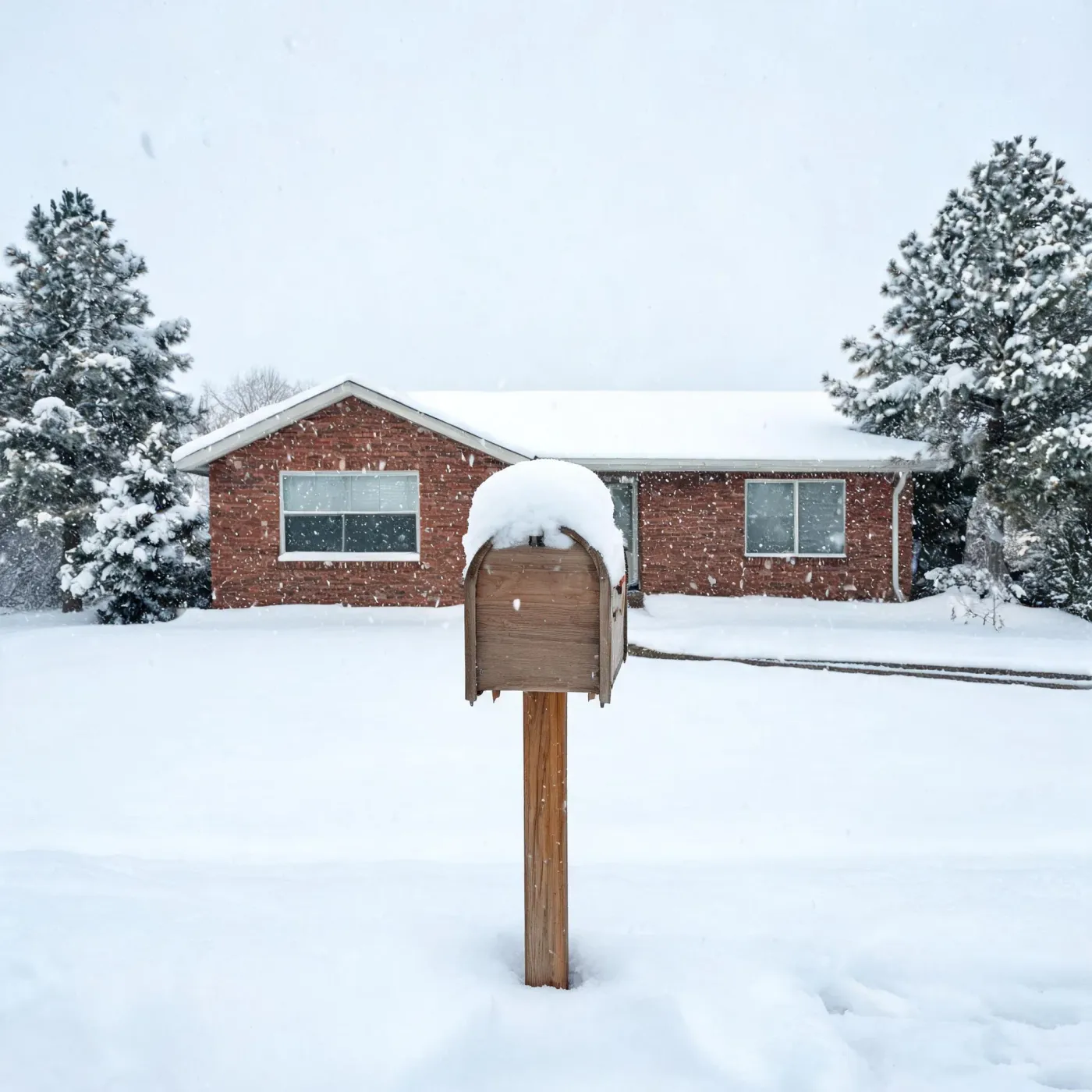
A wooden mailbox on a post topped with a thick layer of snow stands in a snow-covered yard in front of a single-story brick house with a snowy roof, flanked by snow-laden evergreen trees during falling snow.

Christian County nights average 26°F through December, January and February, so your heat pump spends those months pulling heat out of cold air for hours at a stretch. That long runtime keeps every moving part under load longer than a mild night would, and it's usually when a loose fan blade or a worn bearing turns into something you can hear from inside the house. A unit that was quiet in October can start knocking or buzzing once the overnight temperature settles into the 20s and stays there. Figure from NOAA climate data for the county.

NOAA nClimDiv 1991-2020

What's that noise actually doing to your house right now

You've probably noticed it from inside, maybe through a closed window or while you're trying to sleep. A rattle that picks up every time the unit cycles on. A buzz that wasn't there last month. A bang that made you look up from the couch. If it's loud enough to notice from indoors, it's loud enough that something outside has already worked itself loose or worn down. Left alone, a vibration that started as a rattle can crack a line or snap a worn part clean off, and a unit that fails in January leaves you without heat on a cold night, or without cooling on a muggy one in July. The noise is the house telling you before the system stops.

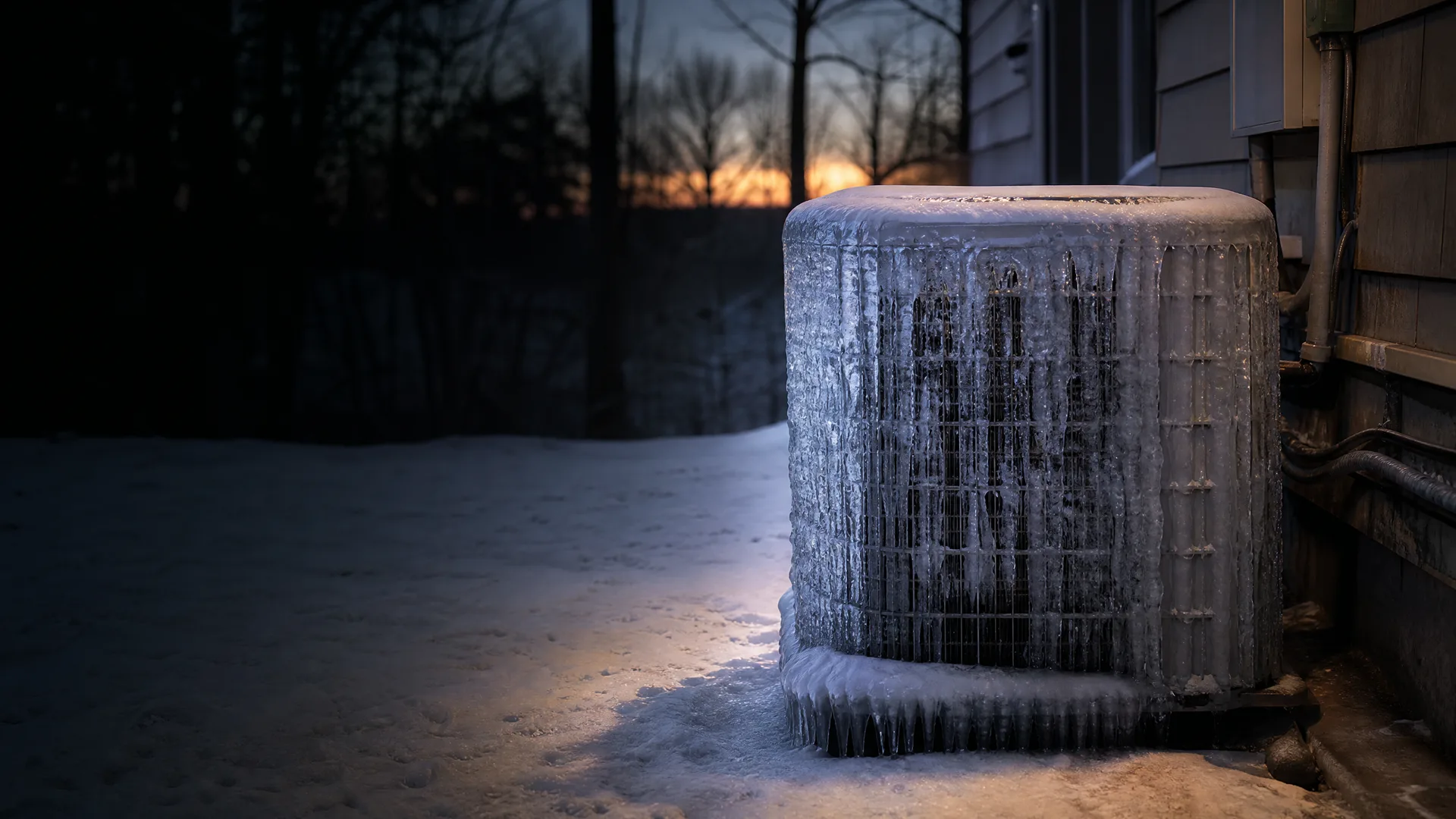
An outdoor condenser unit encased in thick ice stands on snow beside a house with horizontal siding and exterior pipes, with bare trees and a sunset glow in the background.

It's just past six, still dark, and the porch light is the only thing on. You go out to the side yard to grab something from the shed and stop at the sight of the heat pump. Ice has built up thick over the whole cabinet, coating the coil and the fan grille in a solid white shell. It's been running most of the night trying to keep up, and you can hear it still trying, a low strain under the ice instead of a clean hum. Your breath shows in the cold. Somewhere past the frost, a part of the unit is working harder than it should have to.

A loud noise from a heat pump has a cause, and that cause has a fix. Whether it's a fan blade tapping the fin guard, a reversing valve buzzing at the switch, or mounts worn loose from months of hard winter runtime, the unit needs someone who can get out to the pad, listen to it run, and find the part before it takes the compressor with it. A contractor who services Nixa and the rest of Christian County hears this exact noise every winter, on the same model units, set on the same kind of pads, and knows which part tends to go first. You'll be matched with one licensed contractor local to this area, not a list of companies competing for the call. That means one visit, from someone who already knows what a heat pump running through a Christian County winter is up against, and what it sounds like when a part is about to fail.

A beige outdoor heat pump or air conditioner condenser unit on a concrete pad beside a gray horizontal-siding house, with a disconnect box and conduit on the wall, shrubs, river rock and lawn nearby.

Done looking for a heat pump pro

Reach a local pro

A licensed pro who works in Christian County gets your request.

No charge to send it. You decide if you hire them.