Tell us about the job
Takes about a minute. No obligation.
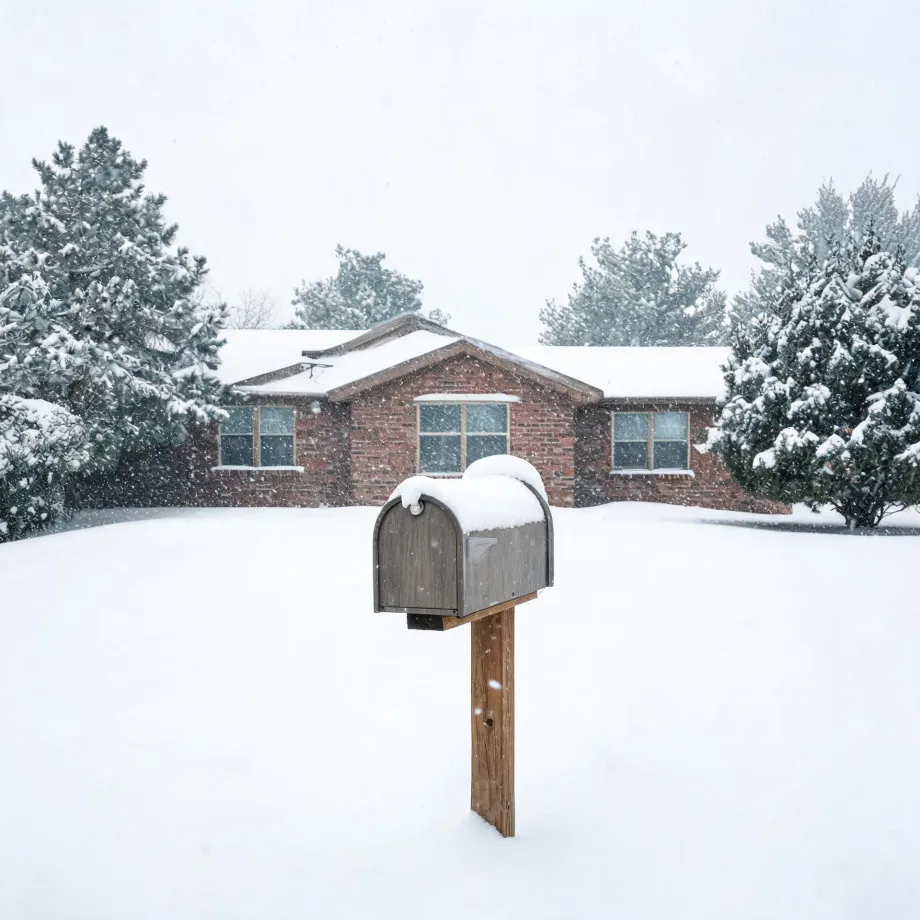
Sizing a heat pump for Wright County starts with what the heating season actually demands of it. Homes in Wright County, MO run heat about seven months a year, from October through April. A heat pump's capacity drops as outdoor temperatures fall, so a unit that looks adequate on paper at mild temperatures may lean heavily on its electric backup strips through the coldest months. A contractor who skips a proper load calculation here is guessing at a number that the season's length makes consequential. The backup strips, the refrigerant circuit, and the reversing valve all carry real cumulative load across a heating season this long, and an undersized install reveals that quickly.
Ductwork laid out for an older furnace follows a logic built around that furnace: supply and return runs sized for it, routed for it, sealed to a standard that was fine for it. A heat pump distributes air differently, and what looked like adequate duct capacity for the old system can fall short for the new one. Half the homes in Wright County, Missouri were built in 1978 or earlier (2020-2024 ACS 5-year). A contractor quoting a heat pump here measures the existing duct runs and checks the electrical service before pricing the equipment, because both can push the scope wider than the unit itself.
What a Heat Pump Installation Puts in Your Home
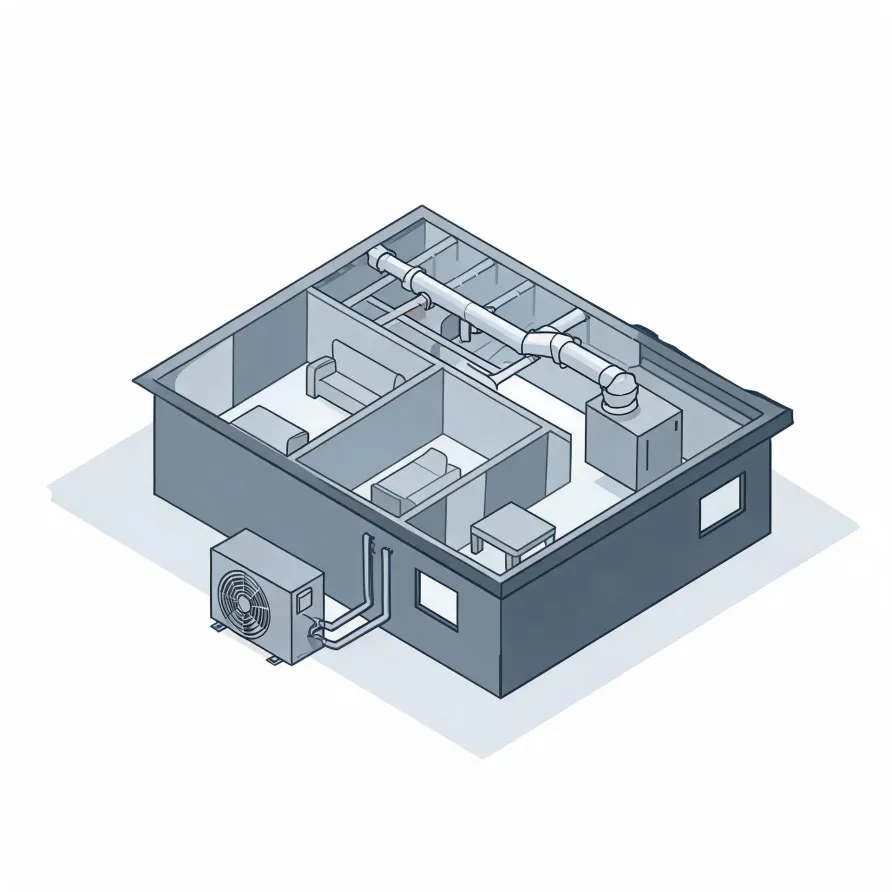
The outdoor unit sits on a pad beside the house and holds the compressor and the coil that exchange heat with the outside air. Inside, an air handler mounts in a utility space, closet, or attic and moves conditioned air through the home. These two pieces are the core of what a contractor brings to the job.
A refrigerant line set runs between the outdoor unit and the air handler, connecting the two and carrying the working fluid between them. A thermostat goes on an interior wall where it reads the indoor temperature and tells the system when to run. A condensate drain line ties into the air handler to carry away any moisture that collects during operation.
The drawing shows a typical layout, and a licensed contractor will assess what applies to your specific house.
Find a contractor in Wright CountyWright County, Missouri, by the numbers
129 severe weather events were recorded in Wright County, Missouri between 2015 and 2024.
NOAA National Centers for Environmental Information, Storm Events Database, bulk CSV export, events 2015-01-01 through 2024-12-31.Half the homes in Wright County, Missouri were built in 1978 or earlier (2020-2024 ACS 5-year).
U.S. Census Bureau, 2020-2024 American Community Survey 5-Year EstimatesWright County, Missouri holds 8,367 housing units (2020-2024 ACS 5-year).
U.S. Census Bureau, 2020-2024 American Community Survey 5-Year EstimatesOwners occupy 77.1% of the occupied homes in Wright County, Missouri (2020-2024 ACS 5-year).
U.S. Census Bureau, 2020-2024 American Community Survey 5-Year EstimatesSevere Weather Events in Wright County
Heating and cooling equipment in Wright County works against whatever the local climate throws at it, and that workload shapes what a heat pump needs to be able to handle. Sizing and installing the right system is a local decision, and the weather record is part of that picture.
129 severe weather events, 2015–2024. Source: NOAA National Centers for Environmental Information, Storm Events Database.