Tell us about the job
Takes about a minute. No obligation.
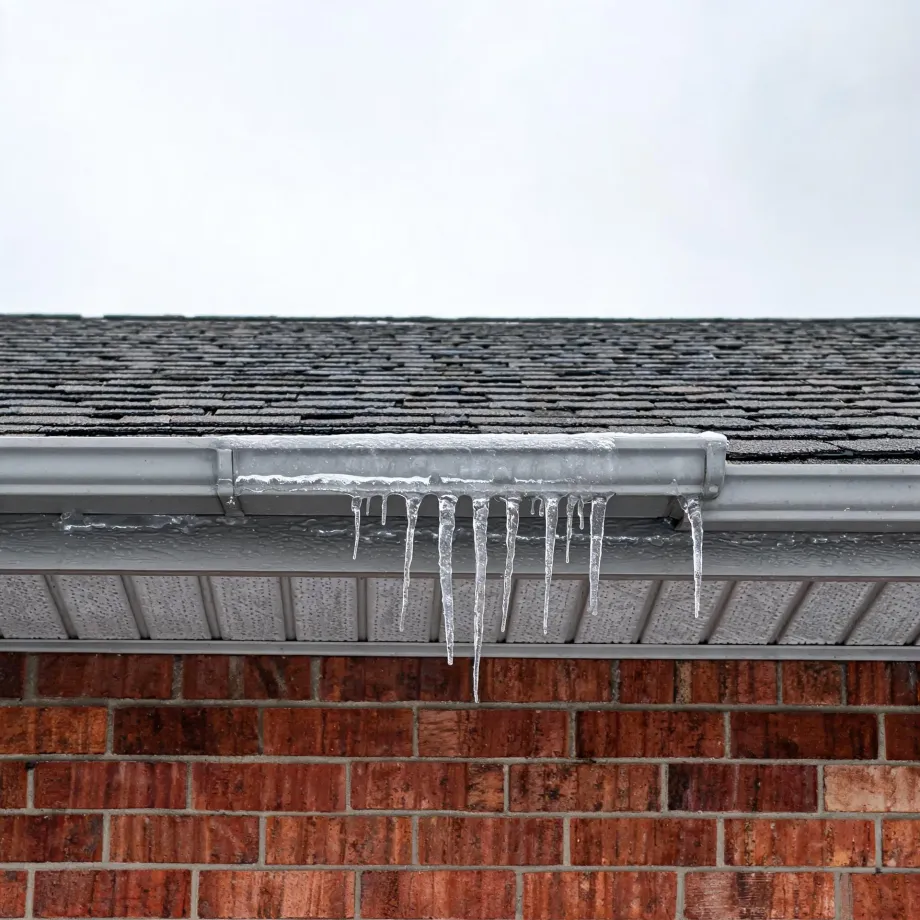
Sizing a heat pump for Ozark County starts with what the system is asked to do when outdoor temperatures fall hardest. Homes in Ozark County, MO run heat about seven months a year, from October through April. As the cold deepens, a heat pump's capacity drops, and a unit that was spec'd too small will run continuously through the worst stretches without keeping pace. The contractor has to know whether backup heat is already in place and rated for this load before settling on equipment. An install that skips that calculation leaves the homeowner short on the days it matters most.
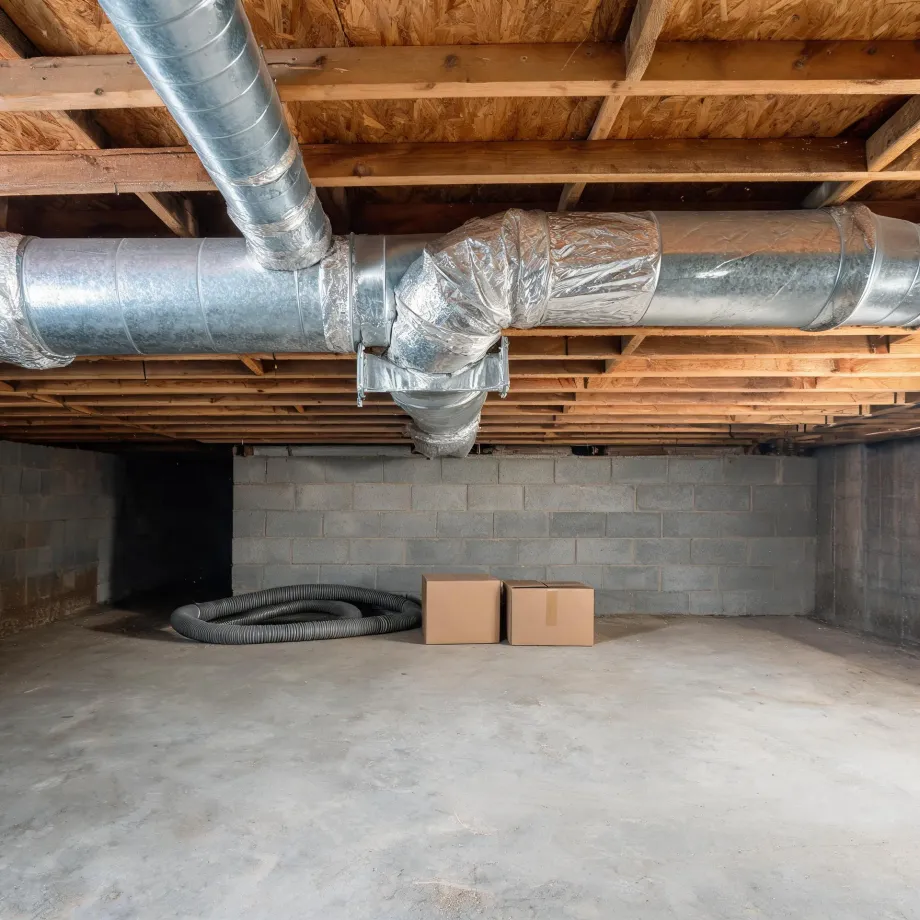
Ductwork laid out for a furnace moves air differently than a heat pump needs it to, and a house where the original system is still shaping the trunk lines and branch runs hands a contractor a sizing and balance problem before the new unit is even on the pad. Half the homes in Ozark County, Missouri were built in 1980 or earlier (2020-2024 ACS 5-year). That depth of housing stock means a meaningful share of the homes here carry duct configurations that were never drawn with a heat pump's heating and cooling demands in mind. A contractor will measure static pressure, check the register layout, and decide what the existing runs will and will not support before the equipment order goes in.
What Gets Installed With a New Heat Pump
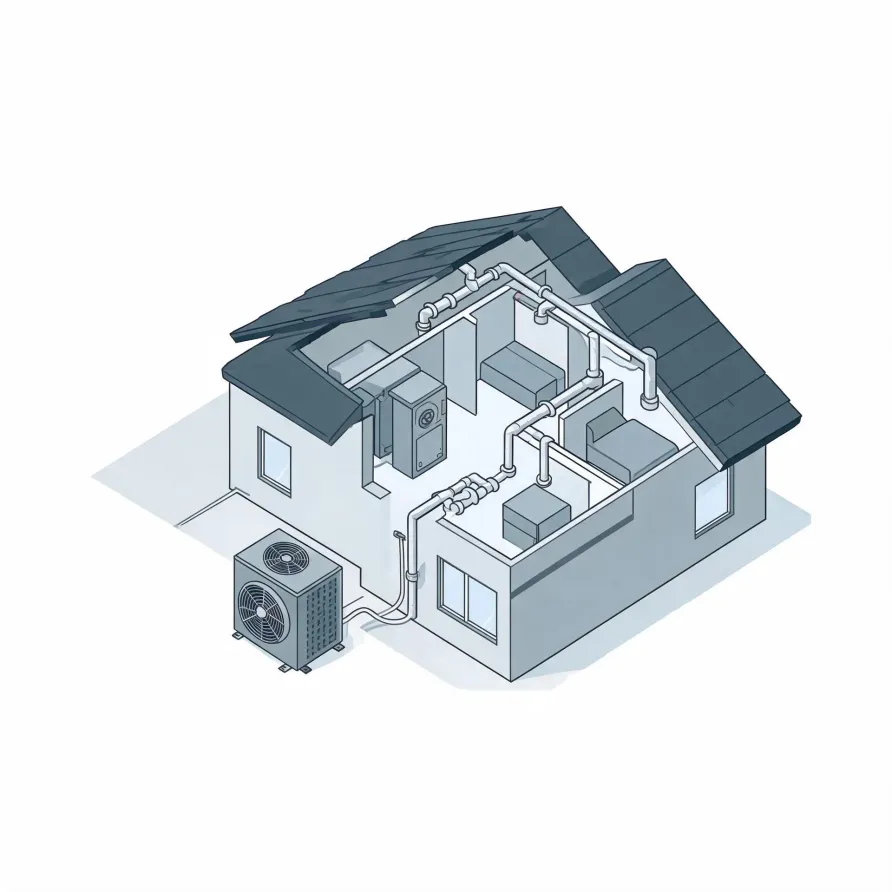
The outdoor unit is the piece a homeowner sees first, mounted on a concrete pad or bracket outside the house, and it holds the compressor and the condenser coil that do the core work of the system. Inside, the air handler sits in a utility room, basement, or closet and moves conditioned air through the home.
A refrigerant line set runs between the two units through the wall or floor, carrying the working fluid that connects the outdoor and indoor sides into a single loop. A thermostat on an interior wall gives the homeowner control over the whole system and is part of what a contractor installs alongside the equipment.
The drawing shows a typical layout, and a licensed contractor determines exactly how each piece fits the specifics of your house.
Find a contractor in Ozark CountyOzark County, by the numbers
118 severe weather events were recorded in Ozark County, Missouri between 2015 and 2024.
NOAA National Centers for Environmental Information, Storm Events Database, bulk CSV export, events 2015-01-01 through 2024-12-31.Half the homes in Ozark County, Missouri were built in 1980 or earlier (2020-2024 ACS 5-year).
U.S. Census Bureau, 2020-2024 American Community Survey 5-Year EstimatesOzark County, Missouri holds 5,030 housing units (2020-2024 ACS 5-year).
U.S. Census Bureau, 2020-2024 American Community Survey 5-Year EstimatesOwners occupy 82.1% of the occupied homes in Ozark County, Missouri (2020-2024 ACS 5-year).
U.S. Census Bureau, 2020-2024 American Community Survey 5-Year EstimatesSevere Weather Events in Ozark County
Ozark County's climate puts real demands on heating and cooling equipment, and those demands are shaped by how hard the weather swings. A heat pump sized and installed for local conditions handles that workload differently than one spec'd for somewhere else.
118 severe weather events, 2015–2024. Source: NOAA National Centers for Environmental Information, Storm Events Database.