Tell us about the job
Takes about a minute. No obligation.
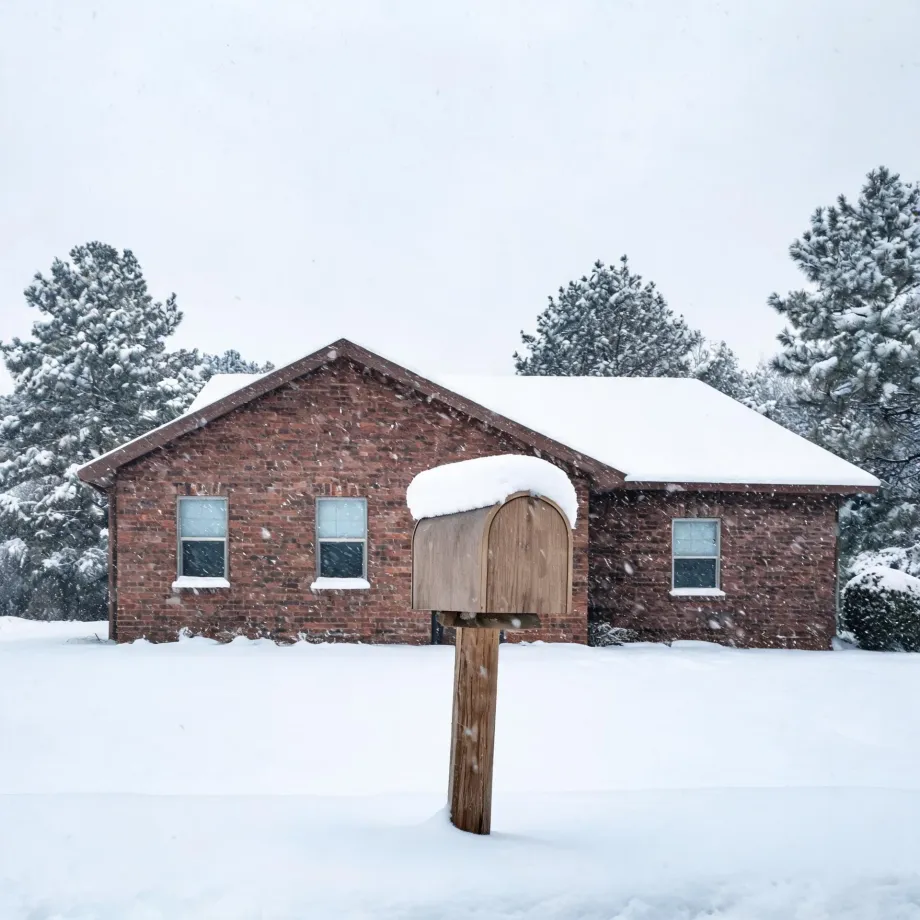
A contractor quoting a heat pump in Harrison County has to size for the heating half of the year, not the cooling half. Homes in Harrison County, MO run heat about eight months a year, from October through May. As outdoor temperatures drop, a heat pump's capacity drops with them, which means an undersized system loses ground precisely when the house needs it most. The compressor runs long cycles trying to close that gap, and a poorly sized install shows that stress in the refrigerant circuit and the reversing valve before it would in a milder climate. Back-up heat is a local decision here, not a default add-on, and a contractor has to work out at what outdoor temperature the heat pump alone falls short before they can spec the auxiliary stage correctly.
Ductwork in a house this old was designed around whatever system the original builder specified, and that system was not a heat pump. Half the homes in Harrison County, Missouri were built in 1966 or earlier (2020-2024 ACS 5-year). When a contractor arrives to install one now, the question is whether the existing duct runs, their sizing, and the electrical service the house carries can do what the new equipment asks of them. If the answer to any of those is no, the scope changes before the unit is ever touched.
What a Heat Pump Installation Puts in Your Home
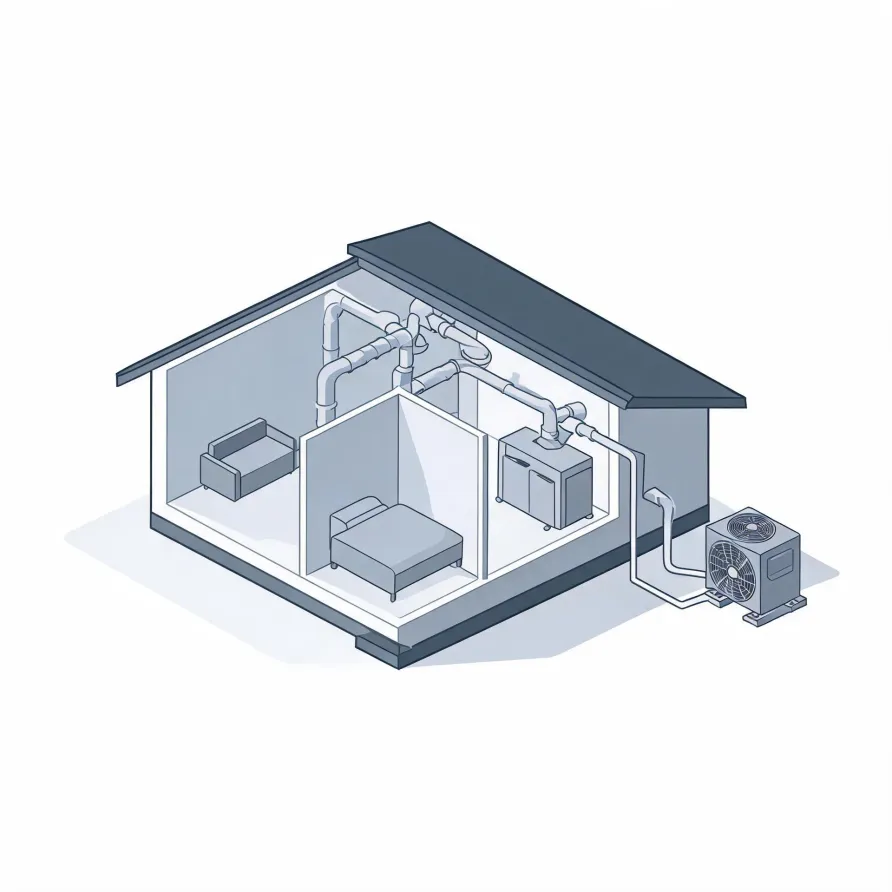
The outdoor unit is the piece most homeowners see first. It sits on a pad beside the house and holds the compressor and one set of coils. Inside, an air handler or indoor coil unit mounts in a closet, utility room, or attic space and works with the outdoor unit to move conditioned air through the home.
A reversing valve inside the system lets a single installation serve both heating and cooling seasons. A thermostat on the wall ties the whole system together, giving the homeowner control over when and how the equipment runs. Refrigerant lines run between the indoor and outdoor units, and a condensate drain carries moisture away from the indoor side.
The drawing shows a typical layout, and a licensed contractor determines exactly how each piece fits the conditions in your house.
Find a contractor in Harrison CountyHarrison County, Missouri, by the numbers
88 severe weather events were recorded in Harrison County, Missouri between 2015 and 2024.
NOAA National Centers for Environmental Information, Storm Events Database, bulk CSV export, events 2015-01-01 through 2024-12-31.Half the homes in Harrison County, Missouri were built in 1966 or earlier (2020-2024 ACS 5-year).
U.S. Census Bureau, 2020-2024 American Community Survey 5-Year EstimatesHarrison County, Missouri holds 4,008 housing units (2020-2024 ACS 5-year).
U.S. Census Bureau, 2020-2024 American Community Survey 5-Year EstimatesOwners occupy 71.4% of the occupied homes in Harrison County, Missouri (2020-2024 ACS 5-year).
U.S. Census Bureau, 2020-2024 American Community Survey 5-Year EstimatesSevere Weather Events in Harrison County
Heating and cooling equipment in Harrison County works against whatever the local climate throws at it, and that workload shapes what a heat pump here needs to handle. How hard conditions run in a given year is a local fact, and local facts are what drive the right installation decisions.
88 severe weather events, 2015–2024. Source: NOAA National Centers for Environmental Information, Storm Events Database.