
Heat pump blowing cold air in Neosho, MO
A heat pump blowing cold air usually means it's stuck in defrost or running low on refrigerant. In defrost mode, the system reverses briefly to melt ice off the outdoor coil, and air coming from your vents will feel cool or even cold for a few minutes while that happens. With Neosho winters running cold enough for frost to build up on that outdoor unit regularly, you may notice this more often than someone further south would. If the air stays cold for more than ten or fifteen minutes, or never turns warm again, the problem is likely something else: low refrigerant, a failing reversing valve, or a compressor that isn't kicking on. Since most homes in the area heat with electricity, a heat pump that's actually struggling means your system is running constantly without heating the house, and your electric bill will show it. A short cold spell during defrost is normal. Cold air that doesn't stop is not.
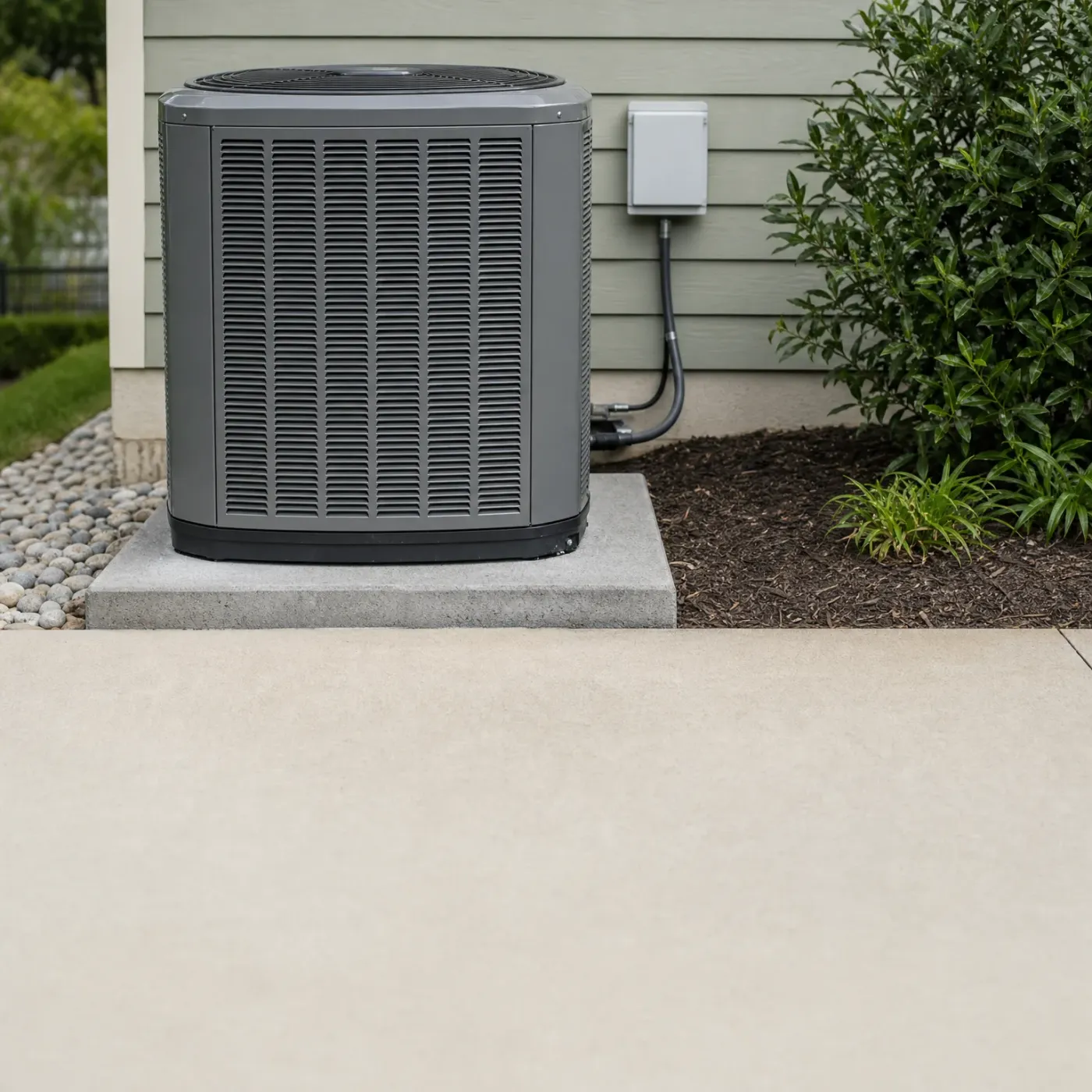
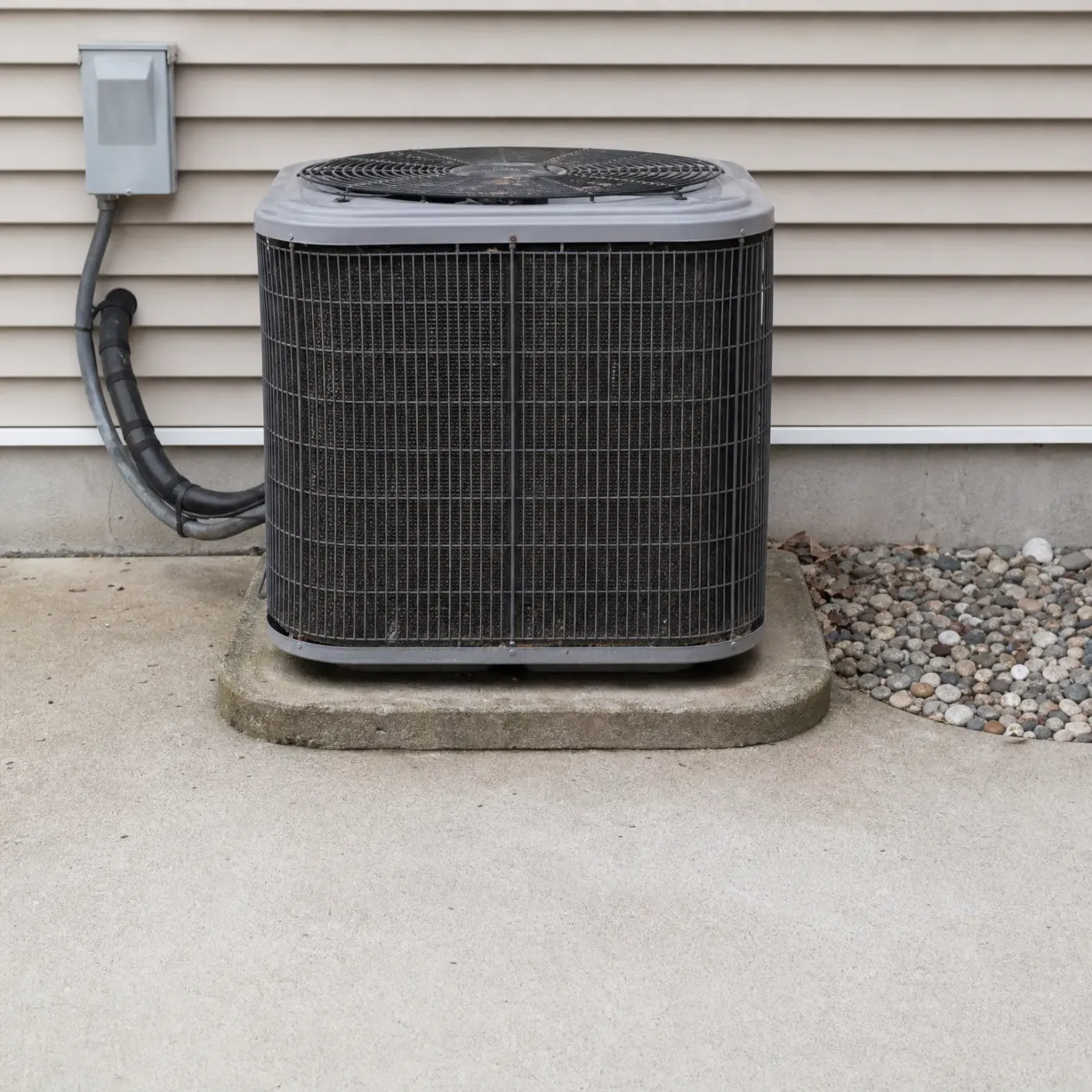
Your heat pump doesn't make heat the way a furnace does. It moves it, using a reversing valve to switch the refrigerant between heating and cooling flow. During a normal defrost cycle, that valve flips the system into cooling mode for a few minutes to send warm refrigerant out to melt ice off the outdoor coil. The outdoor fan shuts off, but the indoor blower usually keeps pushing air, and that air hasn't been heated. That's the cold air you feel. Heat strips are supposed to cover that gap, warming the air while the system is in defrost. If those strips fail, you get cold air with nothing backing it up. The reversing valve itself can also stick, leaving the system running in cooling even when the thermostat is calling for heat. And if the refrigerant charge is low, the indoor coil runs colder than it should no matter what mode the system is in, so the air at your vents never gets properly warm.
What's Actually Happening Inside the Unit
- A reversing valve switches the refrigerant flow to pull the system out of heat mode and into defrost or cooling.
- During a normal defrost cycle the outdoor fan stops while the indoor blower often keeps running, which is why you feel cold air inside.
- A stuck reversing valve can leave the system running in cooling mode even though the thermostat is calling for heat.
- Low refrigerant charge drops the temperature of the air coming off the indoor coil, so vents blow cool instead of warm.
- A failing defrost control board can keep the unit cycling into defrost far more often than the ice on the coil requires.
- Auxiliary heat strips are supposed to warm the air during defrost, and if they fail you get a full minute or more of cold air with no backup.


A heat pump in defrost mode runs for a few minutes at a time, then switches back to heating on its own once the outdoor coil clears.
If cold air keeps blowing for longer than that, or it happens over and over, the system is stuck, not defrosting, and that calls for a contractor to look at the reversing valve or refrigerant charge.




A pro who works on heat pumps

Your request goes to one pro, not a list of companies.
No charge to send it. You decide if you hire them.
What This Costs You at Home
- Cold air blowing through a Newton County house on a January morning means the furnace backup has to work harder to keep rooms comfortable.
- A heat pump stuck in defrost runs up your electric bill since the backup heat strip or furnace is covering for it the whole time.
- Bedrooms and rooms farthest from the air handler feel the cold air first and longest if the system is cycling wrong.
- Ice left to build on the outdoor coil through a cold snap can keep the unit from heating at all until it's cleared.
- A system that won't come out of defrost on its own will keep blowing cold air every cycle until something gets fixed.
- Letting it run this way through a stretch of cold Missouri weather risks a bigger repair than catching it now.
When a heat pump won't come out of defrost, the house pays for it in a few ways at once. The backup heat, whether that's a furnace or strips built into the air handler, has to pick up the slack, and it keeps pulling power the whole time the outdoor unit is stuck cycling instead of heating. That shows up on the electric bill before it shows up anywhere else. Inside the house, you'll feel it unevenly. Rooms near the air handler get some warm air between cycles, but bedrooms and rooms at the end of the ductwork are the last to get heat and the first to feel the cold air when the system flips back to defrost. Outside, the problem can get worse on its own. If ice keeps building on the outdoor coil faster than the defrost cycle clears it, the coil can end up covered enough that the system can't pull heat from the outside air at all, and at that point you're running on backup heat alone until someone clears it. None of this fixes itself. A heat pump that's stuck will keep running the same bad cycle, blowing cold air, running up the backup heat, leaving cold rooms, for as long as it's left alone. Catching it early, before a cold snap sits on it for days, is usually a smaller job than catching it after the coil's iced over and stayed that way.
Winter nights average 27°F
Nights here average 27°F in December, January and February, so your heat pump is working hard most of the winter just to keep up. When it's stuck in defrost instead of heating, the backup system has to pick up the slack in that cold, and your electric bill shows it.
NOAA nClimDiv 1991-2020

Cold air from the vents has a cause, and it's fixable
Cold air blowing in your Neosho home almost always comes down to one of two things: the heat pump stuck in defrost, or low refrigerant keeping it from doing its job. Both are things a technician can check in person, confirm, and fix, so the system goes back to heating your house instead of fighting to keep up through a cold Newton County night.
A contractor who works on heat pumps in this area through every winter knows which of these two shows up more often and what it usually takes to clear. When you request service through this page, you're matched with one licensed local contractor, not a handful of companies competing for your callback, and that contractor reaches out to you directly about your system. You stay on top of small problems before they turn into a bigger repair or a harder winter than it needs to be.


Get your heat pump to the right pro
The pro who gets in touch is licensed in Missouri and works in Newton County.
There's no charge for the request.