
Heat pump blowing cold air in Joplin, MO

Send the request today and stop worrying about who to call.

Hand it over

Why is my heat pump blowing cold air in Joplin?

A heat pump blowing cold air in the middle of a Jasper County winter gets a homeowner checking the thermostat twice before they call anyone. It's unsettling when the system is running, the air is moving, and it still doesn't feel warm. Sometimes it's normal and sometimes it's not, and the difference matters when it's cold outside and the house isn't holding heat.

It depends on whether it's defrosting or actually broken

A heat pump moves heat instead of making it, so the air coming out of the vents is always cooler than your skin even when it's working right. If it's briefly blowing cold on a cold morning here, that's likely the defrost cycle melting ice off the outdoor unit, and it should switch back to warm air in a few minutes. If the air stays cold for longer than that, or feels room temperature instead of warm, something is keeping the system from heating: low refrigerant, a stuck reversing valve, or a compressor that isn't running. With Jasper County winters getting genuinely cold, a heat pump stuck in cold-air mode won't keep the house warm on its own.

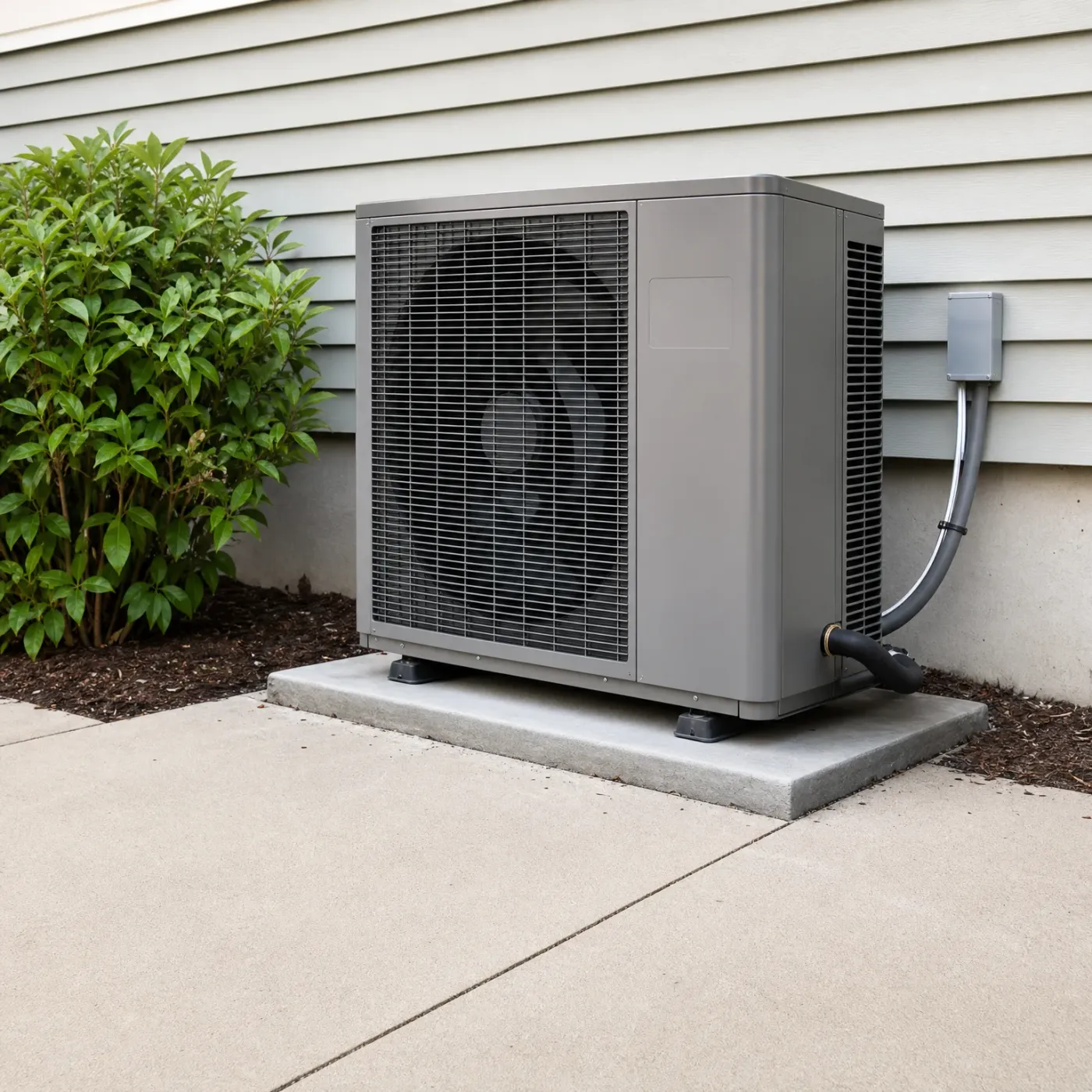
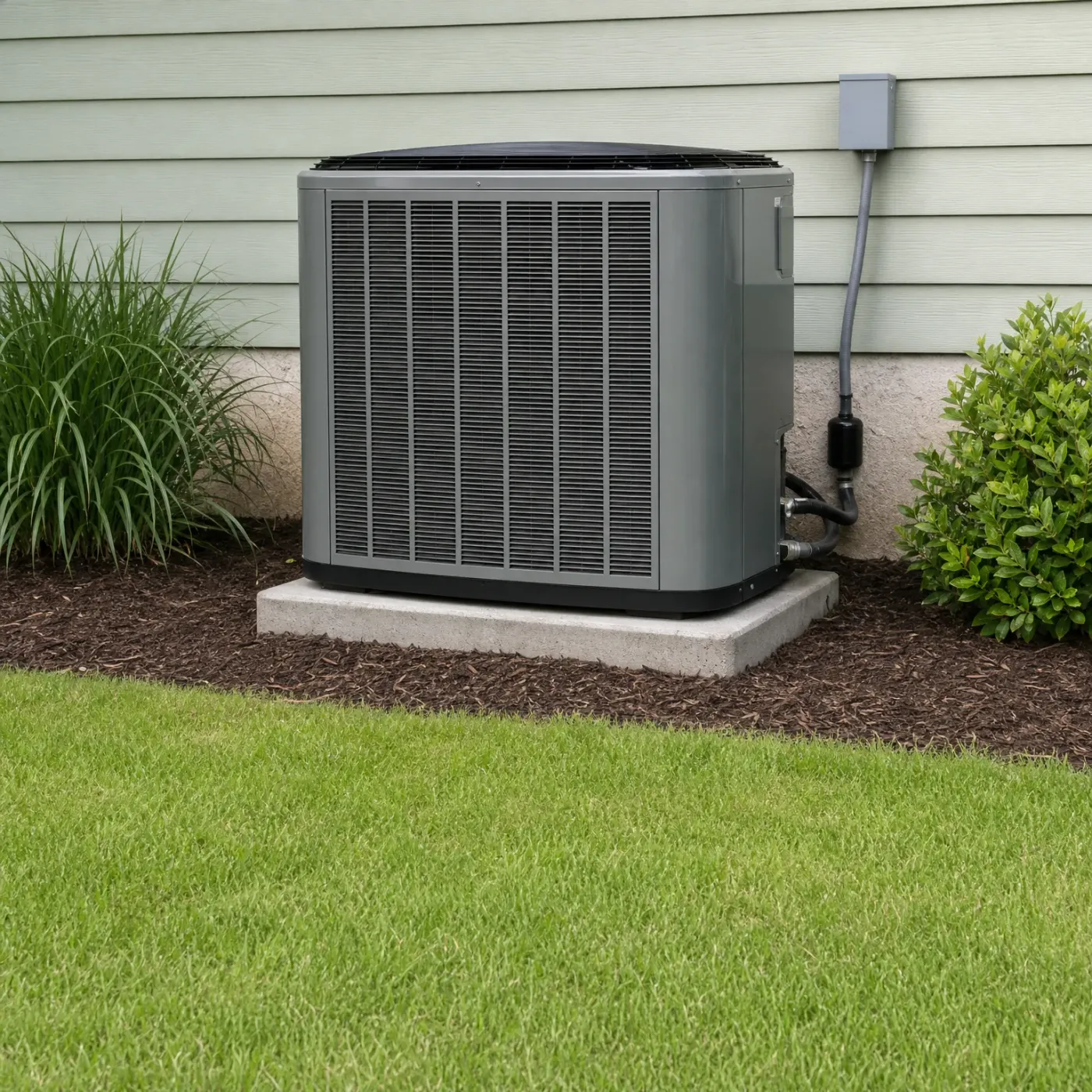
A gray outdoor condenser unit on a concrete pad beside a light-green sided house, surrounded by mulch, ornamental grasses and a shrub, with mowed lawn in the foreground.

Running the way it should

A heat pump in good shape pulls warm air out from the outdoor unit even on a cold day. The fins stay clear, the disconnect box sits untouched on the siding, and the air coming out of your vents feels warm to the hand, not just moving.
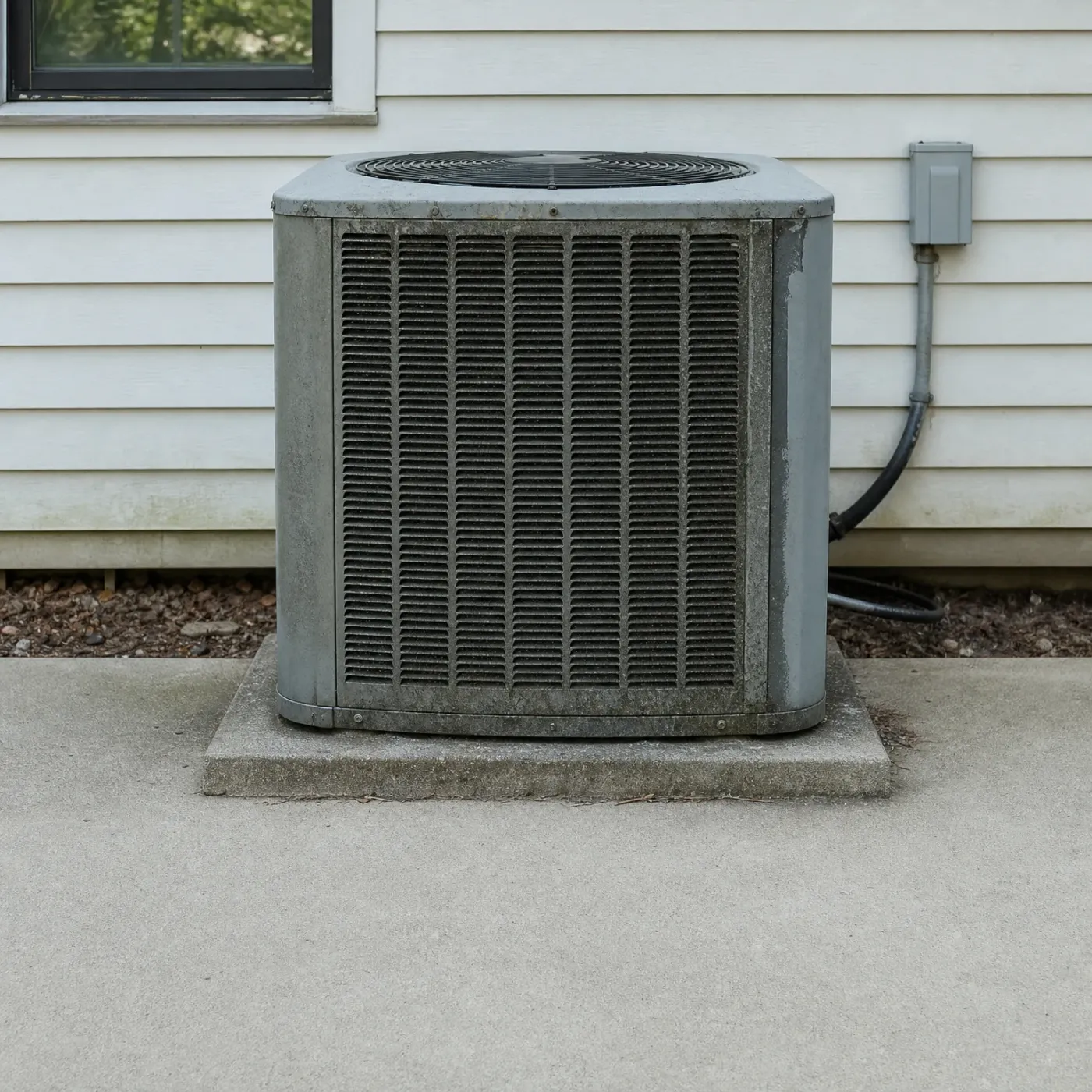
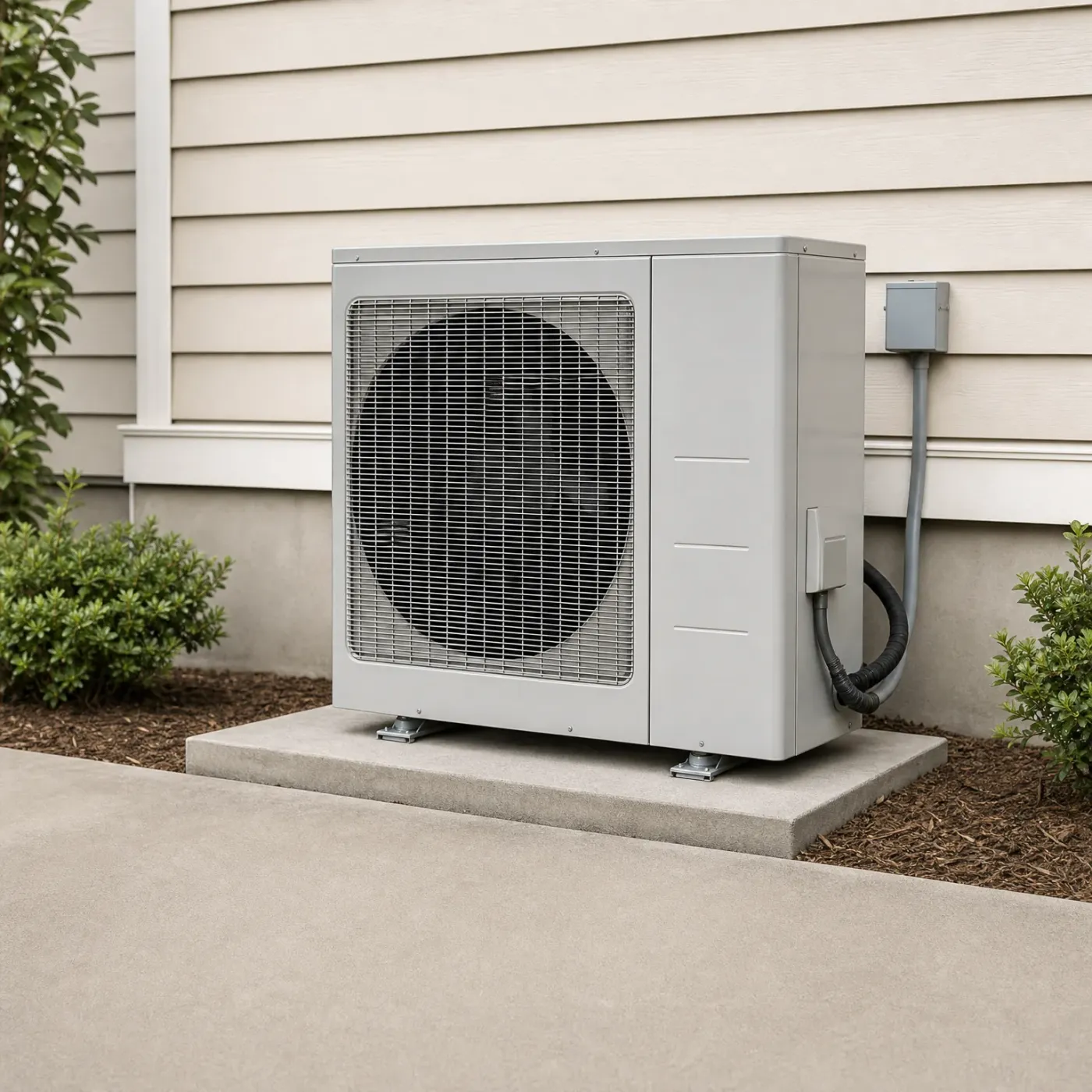
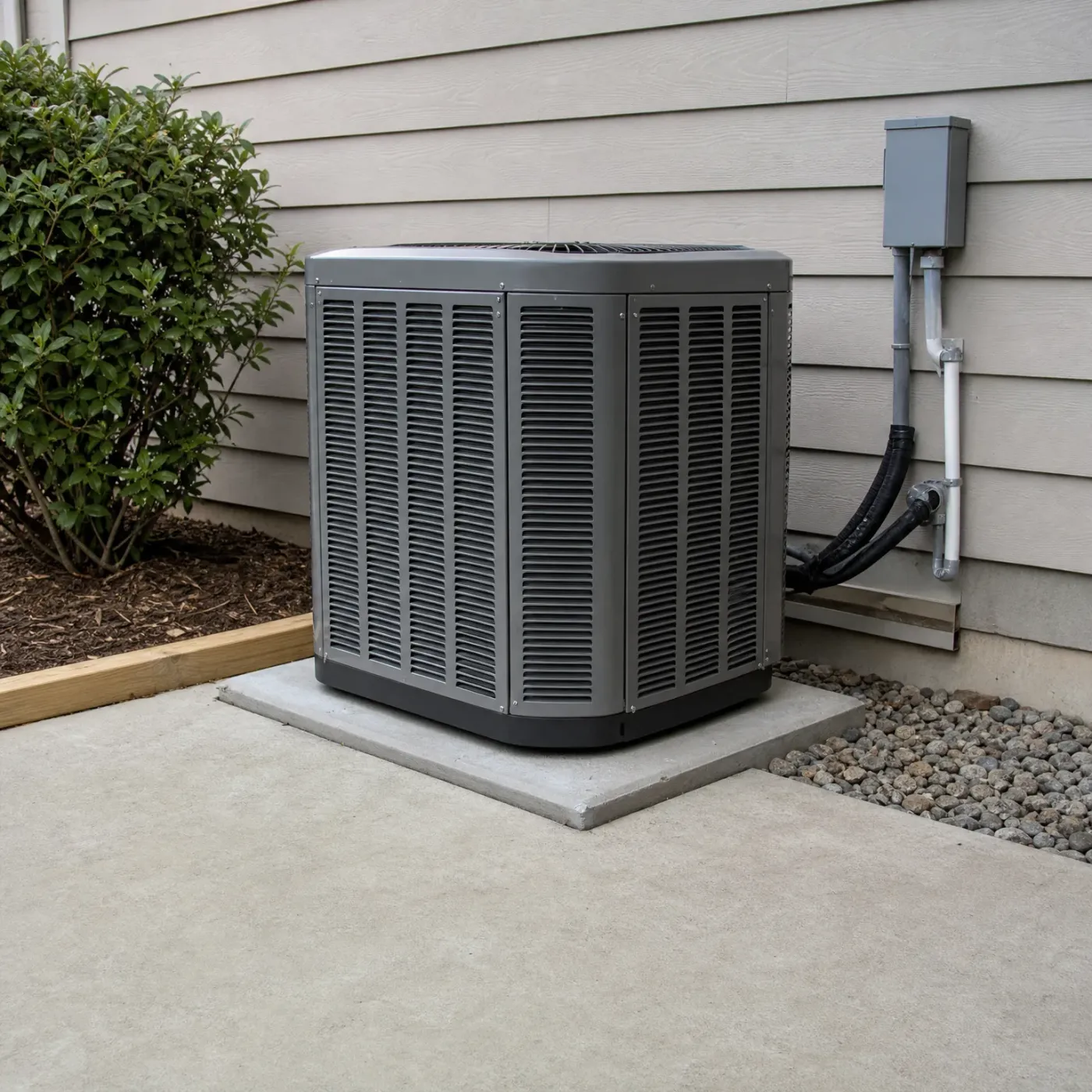
A gray outdoor air conditioning condenser unit on a concrete pad beside a house with light vinyl siding, with a gray electrical disconnect box and conduit on the wall to the right.

Signs of trouble outside

Dirt and grime packed into the outdoor fins block the airflow the unit needs to move heat. When the coil can't breathe, the system struggles to pull warmth from the air, and that's often when you start feeling cold air inside instead.

Normal Defrost or a Real Problem

Normal for a heat pump

  • Air at the register feels cool to the hand during defrost, even though the system is heating the house.
  • A puff of steam or light frost melting off the outdoor unit during defrost is normal, not a sign of trouble.
  • The outdoor fan may pause for a few minutes during a defrost cycle while the system reverses itself.
  • Air that feels cooler than a gas furnace's is normal for a heat pump even when it's working right, since it moves warm air rather than burning fuel to make it.
  • If the house slowly climbs back to the set temperature, the system is doing its job even if the air at the vent doesn't feel hot.

Needs a repair call

  • Air that stays cold for more than ten or fifteen minutes, with no warm-up at all, points to a problem, not a defrost cycle.
  • Ice building up on the outdoor unit that doesn't clear on its own means the defrost cycle isn't working.
  • A system stuck in cooling mode even though the thermostat is set to heat usually means a stuck reversing valve.
  • A low refrigerant charge can leave a heat pump running but unable to move enough heat into the house.
  • If the outdoor unit isn't running at all while the indoor fan blows, the compressor or its wiring needs a look.
  • A thermostat calling for heat but set up wrong, or a dead sensor, can send a system into a mode it shouldn't be in.
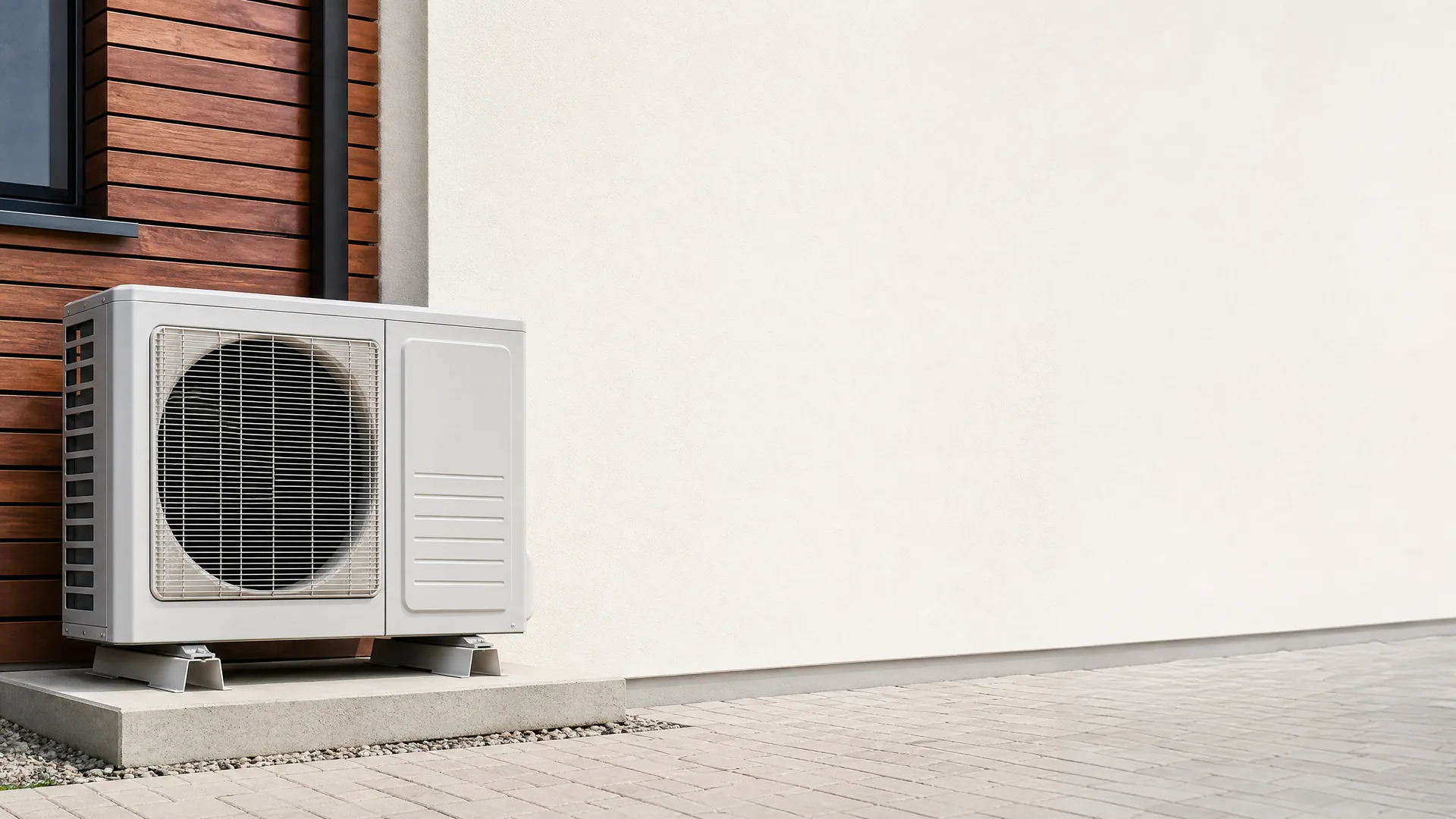
A white outdoor heat pump unit on a concrete pad beside a house with wood-slat siding and a large plain light-colored stucco wall, with paving stones in the foreground.

Why the air feels cool at all

A heat pump moves warm air, it doesn't burn fuel to make it. Air coming out of the vents during normal heating runs around 90 to 95 degrees, cooler than skin temperature, which is close to 98. That's why it can feel cool on your hand even when the system is doing its job. The trouble starts when the air is actually cold, not just cool, and stays that way while the thermostat calls for heat.

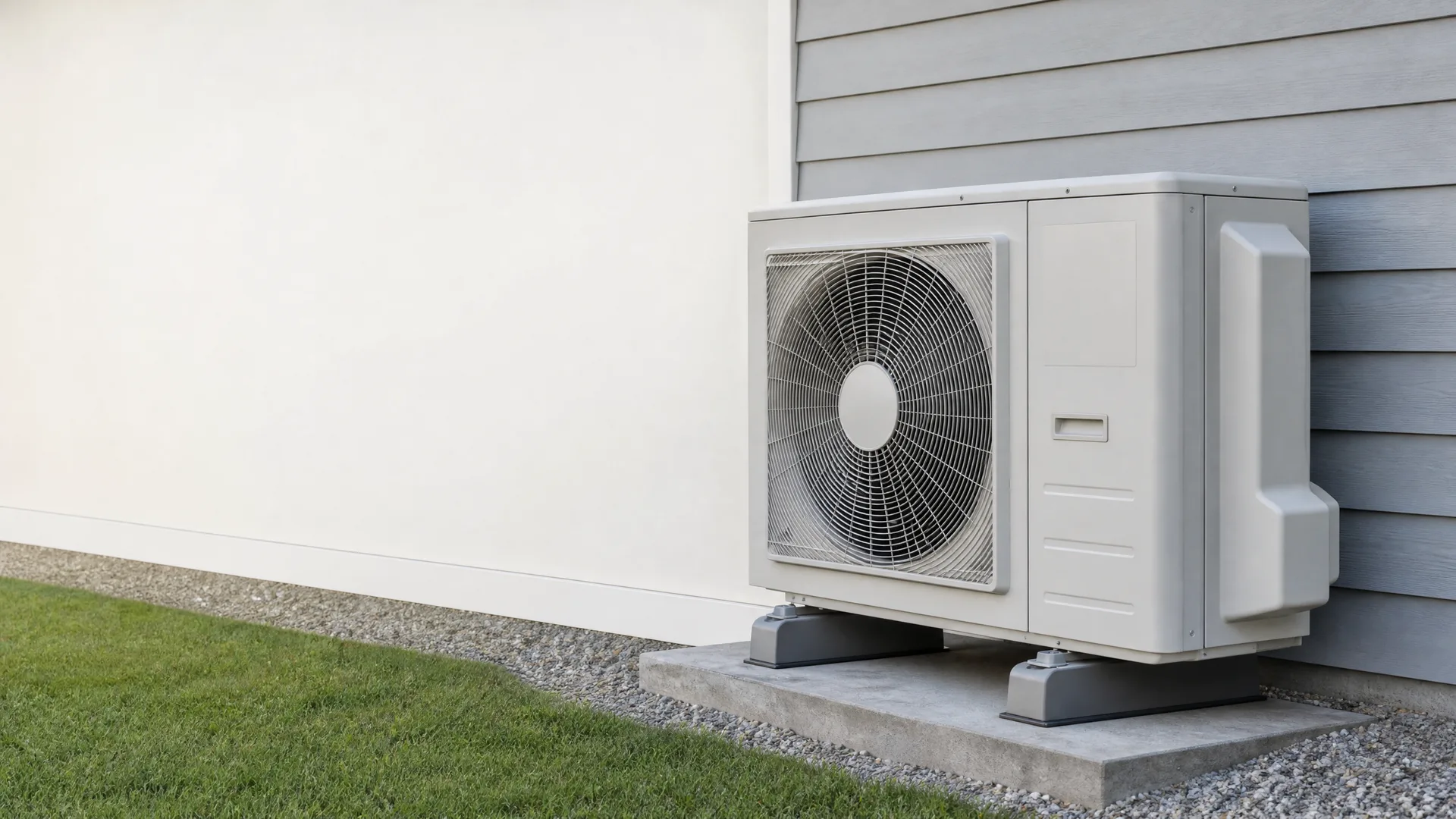
A white outdoor heat pump unit on rubber feet sits on a concrete pad beside a gray-sided house wall, next to a smooth light wall, gravel strip and lawn.

What the outdoor unit is doing

In cold weather the outdoor coil can frost over, so the system reverses itself for a few minutes to melt that frost off. During that cycle it's pulling heat from inside your house to warm the outdoor coil, which is why the air at your registers turns cold for a short stretch. A properly working defrost cycle ends on its own and the outdoor fan starts back up once the coil is clear.

What you're probably noticing right now

You hold your hand up to the vent and the air feels cold, not just cool. The thermostat says it's running and set to heat, but the house isn't catching up. Maybe the outdoor unit has a thick layer of ice on it that hasn't melted off in hours. Maybe you hear it running constantly without ever cycling off. In Jasper County cold, a heat pump stuck like this can run all night and still lose ground, and the house keeps dropping a degree at a time. If it goes on long enough, pipes in outside walls and an unheated garage are the kind of thing that starts to worry people.

A gray outdoor heat pump unit on a concrete pad beside a house with horizontal lap siding, connected by conduit and a flexible line to a wall-mounted disconnect box, with low shrubs and mulch nearby.

Working as it should

The outdoor unit runs clear, no ice on the coil, fan turning, lines intact. Inside, the air from the vents is warm against your hand, and the house holds the temperature you set instead of drifting down through the evening.

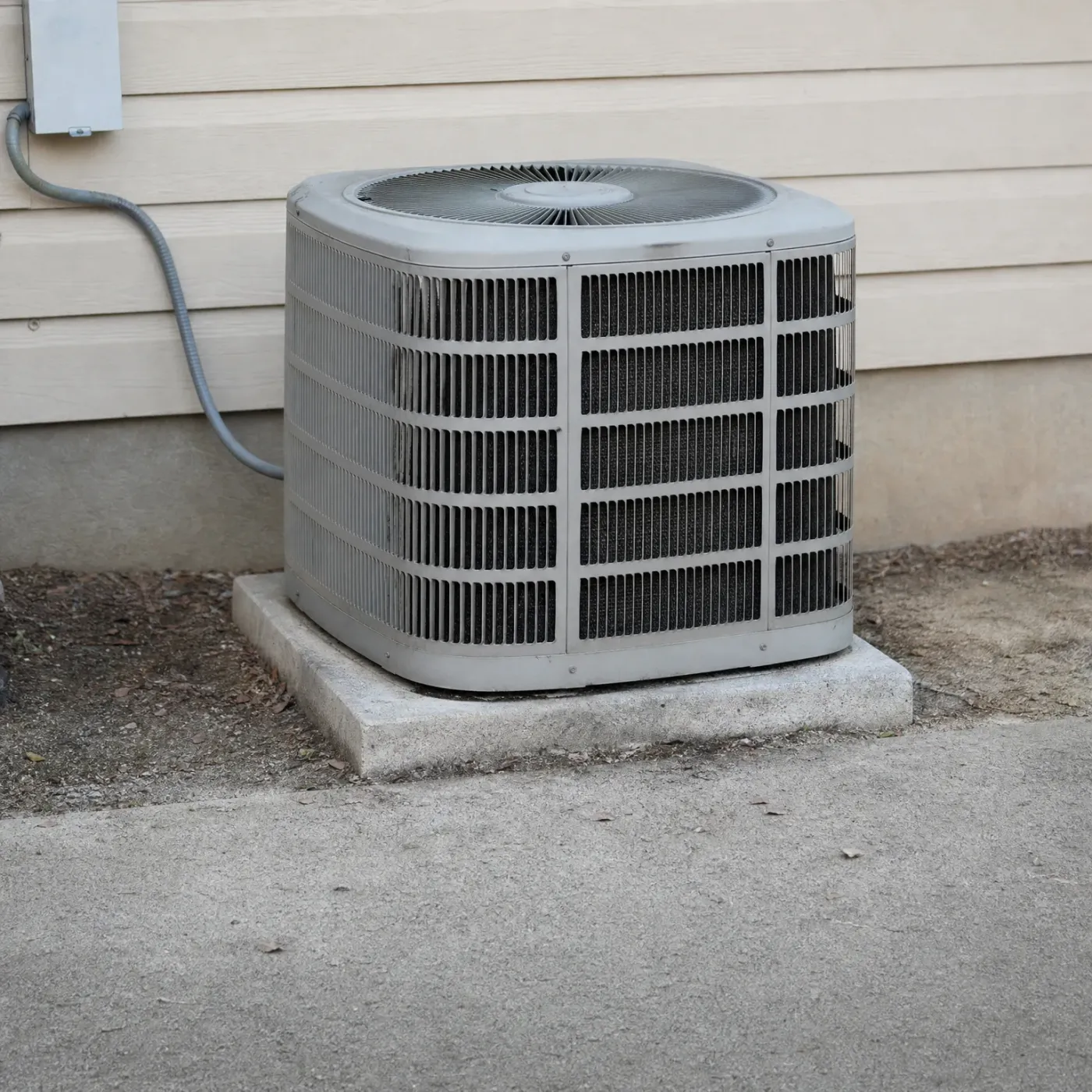
An outdoor air conditioner condenser unit on a concrete pad beside a house with beige horizontal siding, with conduit running from an electrical box on the wall.

Stuck in trouble

The outdoor unit sits quiet or caked in ice that hasn't melted off. Inside, the vents keep pushing air that stays cold no matter how long the system runs, and the thermostat number and the room never come close to matching.

A smiling man in a dark navy sweater sits on a light sofa in a living room, with a glass bowl of popcorn on a wooden coffee table and bookshelves behind him.
A smiling man in a dark green sweater sits on a tan leather sofa in a dimly lit living room, with a bowl of popcorn in the foreground and a kitchen area blurred behind him.
A smiling middle-aged man in a dark shirt sits on a gray sofa in a living room, with a bowl of popcorn on a side table and shelves, a window and kitchen area behind him.
A smiling bearded man in a dark gray t-shirt sits on a gray couch in a living room, with a large glass bowl of popcorn on a wooden table in the foreground.

Hand off the search today

A heat pump that's lost its heat on a January night in Jasper County isn't something to sit with while you sort through contractors. By now you've checked the vents, you've looked at the outdoor unit, and you know this isn't defrost. Something has to get fixed, and that means getting someone qualified out to look at the ice buildup, the reversing valve, or whatever's actually behind it. Normally that's a string of phone calls, voicemails, and explaining the same problem over and over to companies that may not even have anyone free this week. With the house losing ground and the temperature dropping room by room, that's time you don't have to spend sorting through who's available and who isn't. Send the request once, and the work of finding someone who can get to your furnace stops being your problem. You go back to keeping the house warm instead of working the phone.

If you wait it out

Leaving a stuck heat pump alone through a cold snap doesn't fix it. If the outdoor unit is iced over and not defrosting, the ice builds with every hour, and the coil underneath it gets less able to pull any heat from the air at all. If the system has lost refrigerant, it keeps running the compressor against a charge that's too low, and that compressor is not built to run that way for long. The electric backup heat may carry the house for a while, using more power than the heat pump alone would, but backup heat has its own limits and wasn't sized to run the house by itself all winter.

If you get it looked at

A contractor checks the charge, the defrost board, the reversing valve, and the outdoor coil to find which one has failed. Most of these problems get worse the longer they run and cheaper to fix the sooner they're caught, a cracked contactor or a failing sensor instead of a compressor that's been straining for weeks. Once it's diagnosed, you know whether you're looking at a part or a bigger repair, instead of guessing every time you walk past the thermostat. You stop checking the vents by hand and wondering if tonight is the night it can't keep up.

A woman in a dark gray sweater reclines on a couch with her eyes closed and a knit blanket over her lap, an open book resting face-down in front of her, with a lit table lamp and shelving blurred in the background.
A bearded man in a dark navy sweater over a collared shirt smiles and looks off to the side while seated at a dinner table with a glass of red wine, a lit candle, and a plate of food in the foreground of a dimly lit room.

A heat pump is built around a reversing valve, the part that decides whether it's heating your house or cooling it. When that valve sticks in the cooling position, the thermostat can call for heat all day and the system just won't answer. Other failures hide better. A bad capacitor or contactor can stop the compressor cold while the outdoor fan keeps spinning, so from the yard it looks like it's working. A slow refrigerant leak doesn't announce itself either. It just pulls less heat from the outside air week after week until the house can't keep up. Check your thermostat too. If it's been switched to emergency heat, the heat pump is sitting idle while electric strips carry the load, and that air feels different at the vent and costs more to run. Even a dirty filter or blocked duct can rob enough airflow across the indoor coil that warm air arrives feeling lukewarm at best.

What's actually going wrong inside it

  • The reversing valve switches a heat pump between heating and cooling by redirecting refrigerant flow, and a valve stuck in cooling mode keeps the system in the wrong cycle no matter what the thermostat says.
  • A failed run capacitor or contactor can leave the compressor unable to start, so the outdoor fan may turn while no refrigerant is actually being compressed.
  • Low refrigerant charge from a slow leak reduces how much heat the system can pull from outside air, and it gets worse over weeks or months rather than failing all at once.
  • A thermostat wired or set to emergency heat bypasses the heat pump entirely and relies on electric resistance heat strips instead, which feel different at the vent and cost more to run.
  • The defrost control board tells the system when to melt ice off the outdoor coil, and a failed sensor or board can leave it stuck in cooling mode during that cycle instead of switching back.
  • Airflow across the indoor coil depends on a clean filter and clear ducts, and restricted airflow can make warm air feel weak or cool by the time it reaches the register.
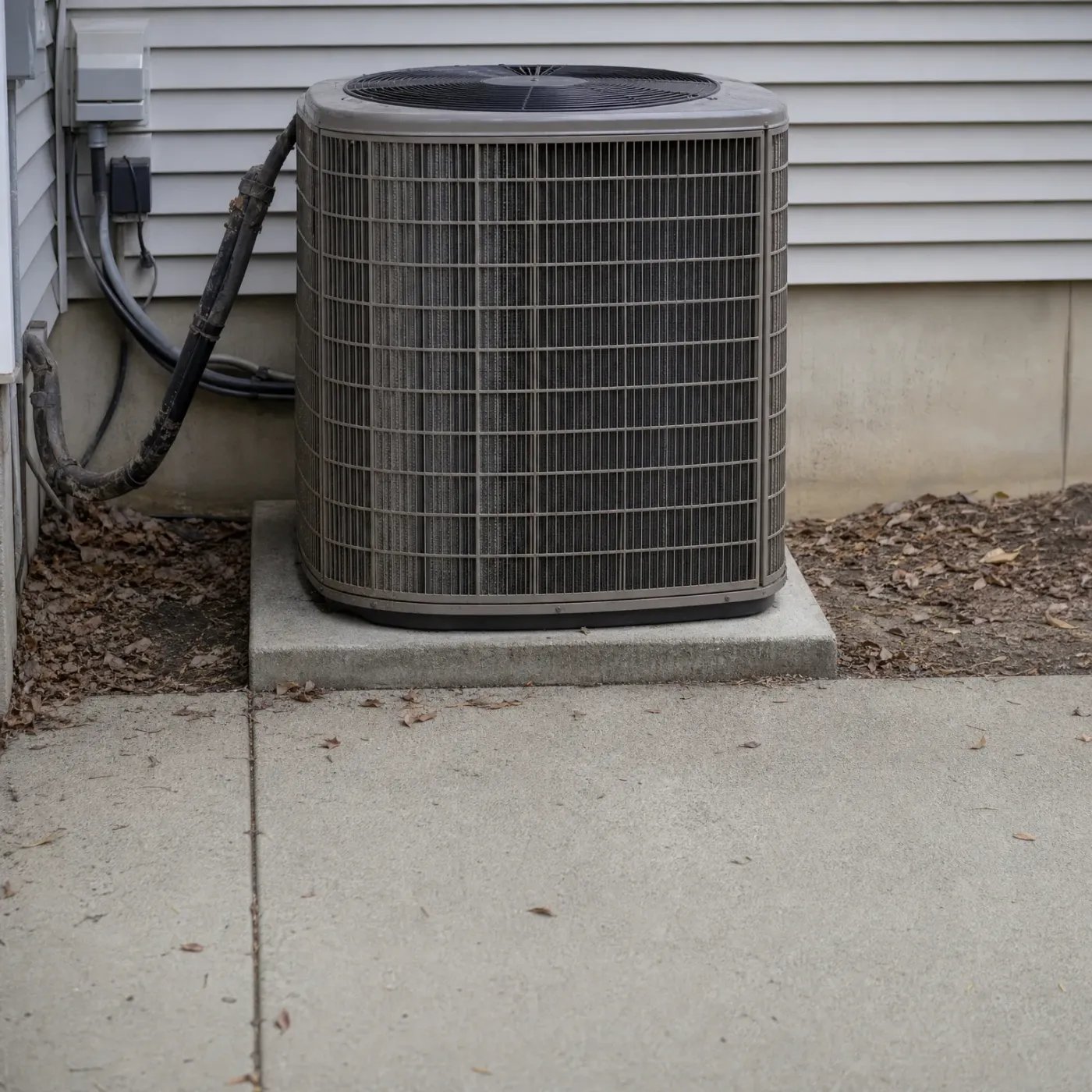
An outdoor air conditioner condenser unit on a concrete pad beside a house with horizontal vinyl siding, with refrigerant lines and an electrical disconnect box on the wall and dry leaves on the ground.
Before you get your heat pump repair
A gray outdoor heat pump unit on a concrete pad beside a house with horizontal lap siding, with a conduit running to a wall-mounted disconnect box and a green shrub to the left.
After you get your heat pump repair

How cold does it actually get here, and how long does your heat pump run?

  • Winter nights average 27°F

    Overnight temperatures in the 20s are routine here, not a rare cold snap, so your heat pump needs to work in that range night after night.

  • Heat runs October through April

    Seven months of the year, your heat pump is what's standing between you and the cold. That's most of the year riding on one system.

  • Cooling runs May through September

    The other five months, the same unit cools your house. Whatever's wrong with it doesn't get a long break before the next season asks something of it.

NOAA nClimDiv 1991-2020

A gray outdoor condenser unit on a concrete pad beside a house with horizontal lap siding, with a wall-mounted disconnect box, conduit and insulated refrigerant lines, a shrub at left and gravel at right.
The outdoor unit sits clean and clear, lines and conduit intact, nothing frozen to the coil underneath it.
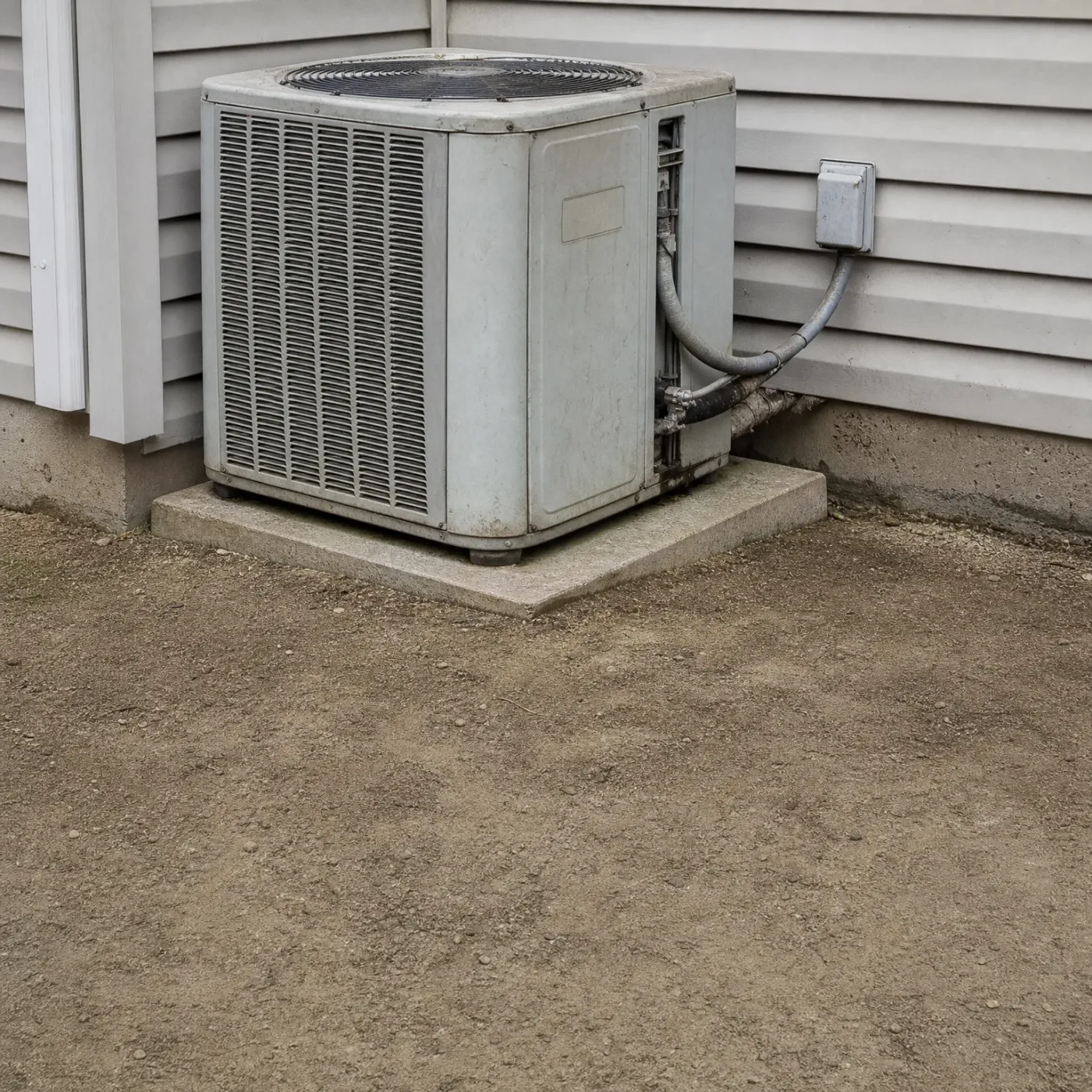
An outdoor condenser unit on a concrete pad beside a horizontal-sided house, with insulated refrigerant lines running to a wall-mounted box, surrounded by bare dirt.
Weathering and a worn cabinet don't mean trouble by themselves, but an iced-over coil stuck like this one does.

Power here costs 14.50 cents per kilowatt-hour

At 14.50 cents a kilowatt-hour, a heat pump that's stuck running flat out all night costs you more than one that cycles normally and actually heats the house. When it's blowing cold air, you're paying to run a system that isn't getting you anywhere.

EIA-861 2025

A heat pump blowing cold air in the middle of a Jasper County winter means something specific is wrong, whether that's a stuck reversing valve, a bad capacitor, a low charge, or ice that isn't clearing off the coil. It's not something to wait out, and it's not something to guess at from the thermostat. Someone needs to get out to the outdoor unit, check the pressures, and find the actual part that's failed. That's the part you don't have to do yourself. Instead of working through a list of contractors, explaining the same problem on call after call, and weighing quotes against each other while the house stays cold, you send one form and the search is done. You'll know where you stand: a licensed contractor in Jasper County has what you described and can get to the unit outside. The house gets back to warm when the right part gets fixed, not before, but you won't be the one spending the evening tracking down who can do it.

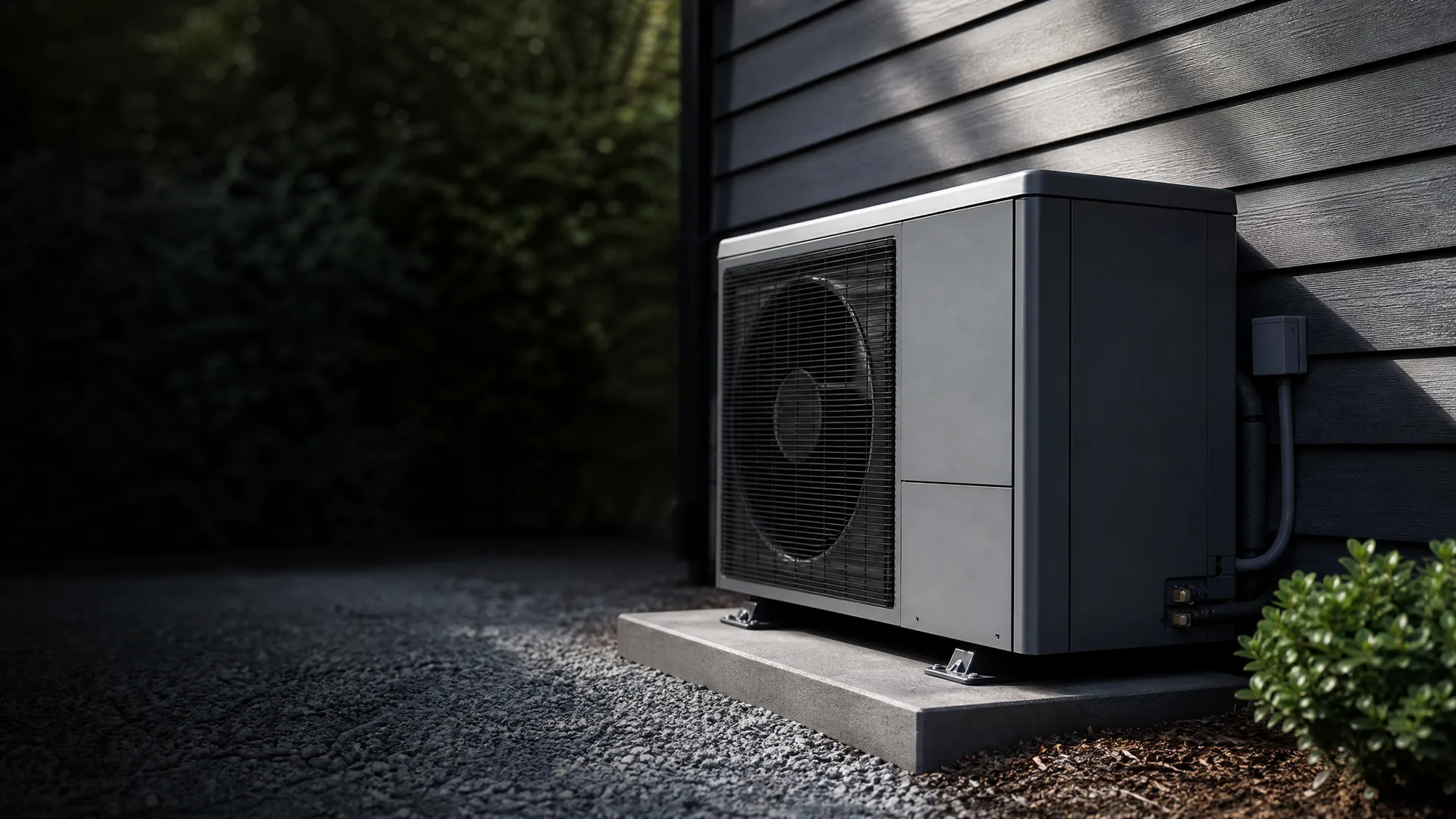
A gray outdoor heat pump unit mounted on a concrete pad beside a dark horizontal-slat clad house wall, with gravel ground and shrubs nearby.

Hand off the heat pump problem

Step 1 of 3: Equipment