Running the way it should
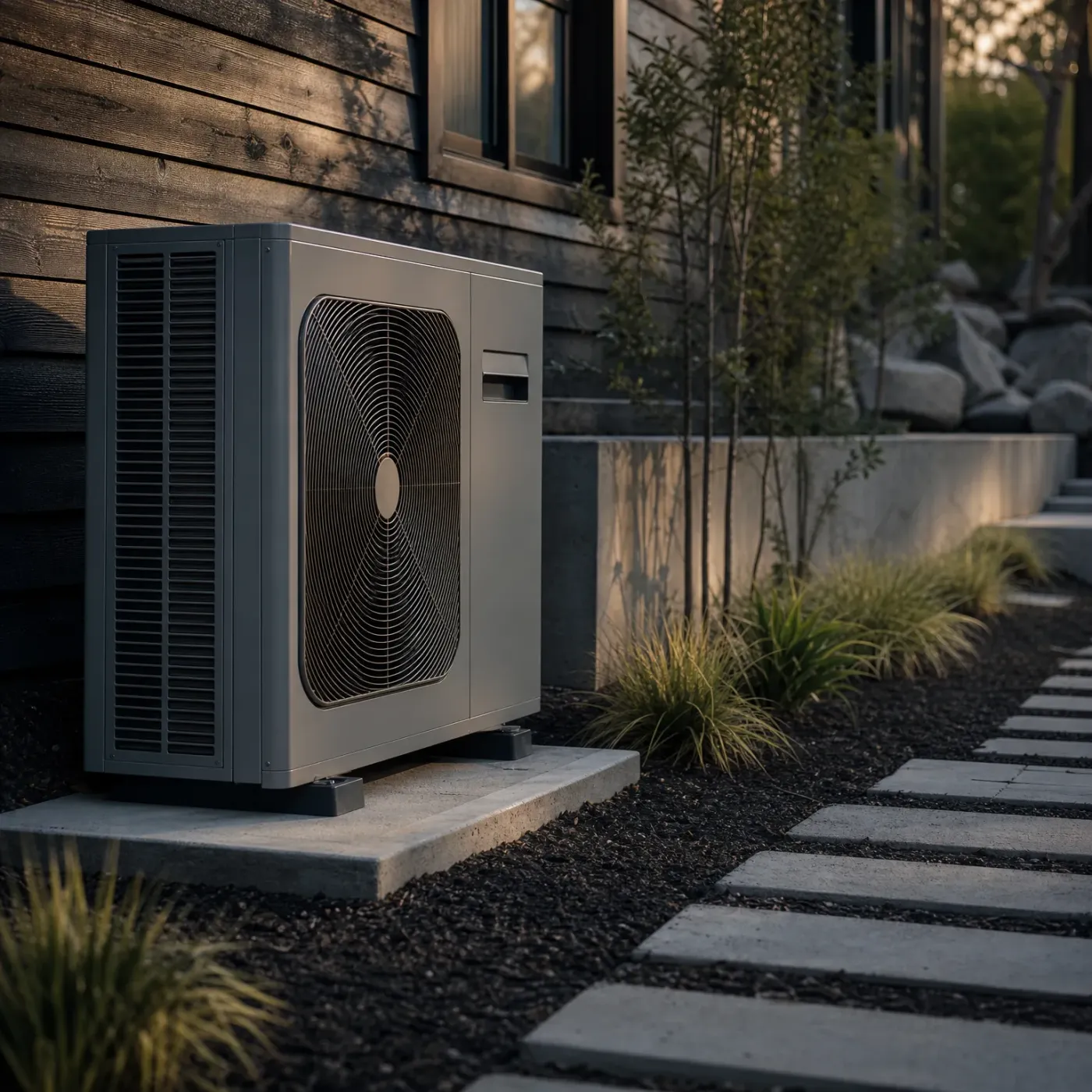
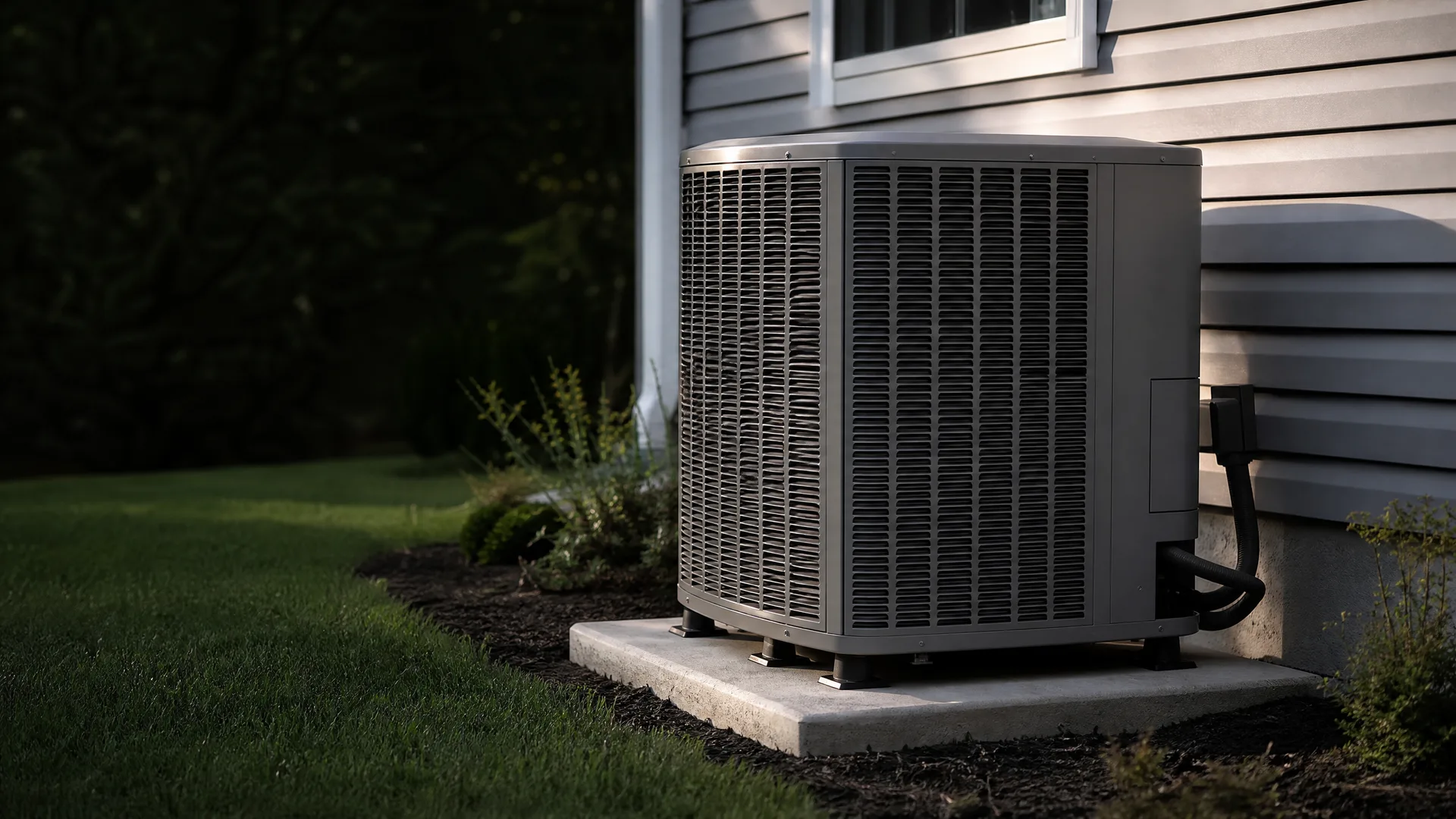
This is a heat pump covering the house on its own, conduit running clean from the disconnect to the unit. No ice on the coil, no strain on the compressor. On a day in the 40s or 50s this is all your house needs.
A pro who works on heat pumps
Below freezing, a heat pump has to work harder to keep up, and in a Missouri winter that happens more than a few nights. Whether you need a furnace or coils behind it, and how it should be sized for your house, depends on your setup. Get matched with a contractor who can look at what you have and tell you straight.
Match me with a proMost heat pumps in Missouri need backup heat for the coldest stretches of winter. A heat pump moves heat from the outside air, and once temperatures drop into the 20s and below, there's less heat out there to move. The unit keeps running, but it starts losing ground against the house, especially overnight. That's where backup heat takes over, whether it's a gas furnace or electric resistance coils built into the system. Since most homes here already heat with gas, a lot of setups pair the heat pump with a furnace, switching over automatically when it's needed. How that backup is sized, and when it kicks in, depends on your furnace, your ductwork, and how well the heat pump keeps up on its own. Without it, your house would rely on the heat pump alone through single-digit nights, and in a Missouri winter, that's not a bet worth making.




Most homes in Missouri heat with gas, and that matters here because a gas furnace is often what's already sitting behind the heat pump as backup. Once the outdoor temperature drops to somewhere around 25 to 30 degrees, the heat pump can't pull enough heat from the outside air to keep the house at the temperature you set. That's when backup takes over, either the gas furnace or a set of electric coils mounted in the air handler. With a furnace, this pairing is called dual fuel, and the switch happens on its own at a set outdoor temperature, no thermostat adjustment needed. Electric coils work differently. They sit just past the heat pump's indoor coil and turn on when the thermostat is asking for more heat than the heat pump alone can supply. Either way, the heat pump keeps running. It doesn't shut off and hand things over. Getting the backup sized right for your house and ductwork is part of what happens during installation, not something figured out later.
Summers here run humid. NOAA puts the average summer dew point across Missouri at 66°F, which is the sticky, hard-to-shake kind of air. Your heat pump has to pull that moisture out as it cools, and the thicker the air, the longer it runs to do it. On the muggiest days you'll notice the house feels cool but still damp, especially if the system is sized wrong or hasn't been serviced in a while. Backup heat is a winter question, but the same equipment is doing double duty all summer. Getting matched with a contractor who knows how Missouri humidity factors into sizing and setup means you're not guessing at whether your system can handle both ends of the year.
NASA POWER T2MDEW county cells weighted by homes
Skip collecting and comparing quotes for the new heat pump.
No fee to send it, and nothing to sign.
A heat pump without backup is fine right up until a cold snap settles in. Once outdoor temperatures drop into the teens, the unit can't pull enough heat from the air to keep pace with what your house is losing. You'll feel it first at the vents, where the air turns cool instead of warm, and then in the rooms that are hardest to heat to begin with. For a household with kids or an older parent home during the day, that's not a minor discomfort. It's a house that can't keep up on exactly the nights it matters most.
Most homes in Missouri heat with gas, and a gas furnace paired with the heat pump solves this cleanly. The furnace takes over once the heat pump's output falls short, and the house holds its set temperature no matter how cold it gets outside. Where there's no gas line to the house, electric resistance coils do the same job, mounted right in the air handler. Power here is cheap, which softens that cost, but coils still run on the more expensive side of the meter compared to gas.
Which setup makes sense, and how it should be sized, depends on your ductwork and how your house holds heat. That's not something to guess at from a search result. Getting matched with a contractor means someone looks at your actual house and tells you what it needs, rather than you picking between a furnace and coils on your own.


You've got a heat pump and a furnace working together, and you're wondering how the system decides which one runs at any given moment. You're not standing by the thermostat flipping a switch, so something else is making that call, and you want to know what it is before you trust it to keep the house warm on a cold night.
A sensor mounted outside feeds temperature data back to the thermostat, and the thermostat is set with a changeover point, often somewhere in the 30s. Above that point, the heat pump runs alone. Once the outdoor temperature drops below it, the thermostat calls for the furnace too. You don't do anything differently inside the house. The system checks outdoor temperature on its own and brings the furnace in when the heat pump can't keep up by itself. On some systems the heat pump keeps running alongside the furnace for a stretch rather than shutting off right away. Where that changeover point gets set, and how the two work together, depends on how the system was installed for your house.
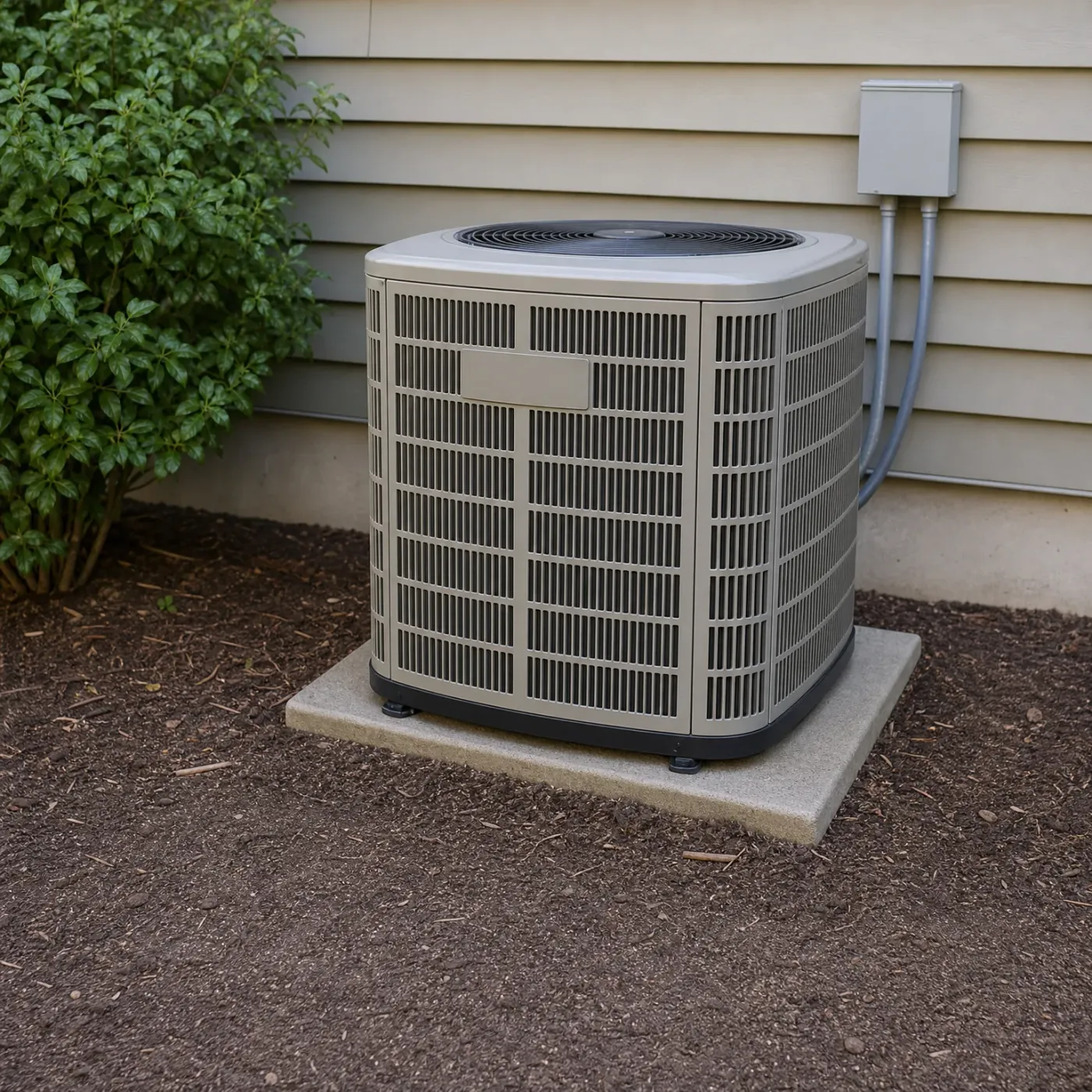
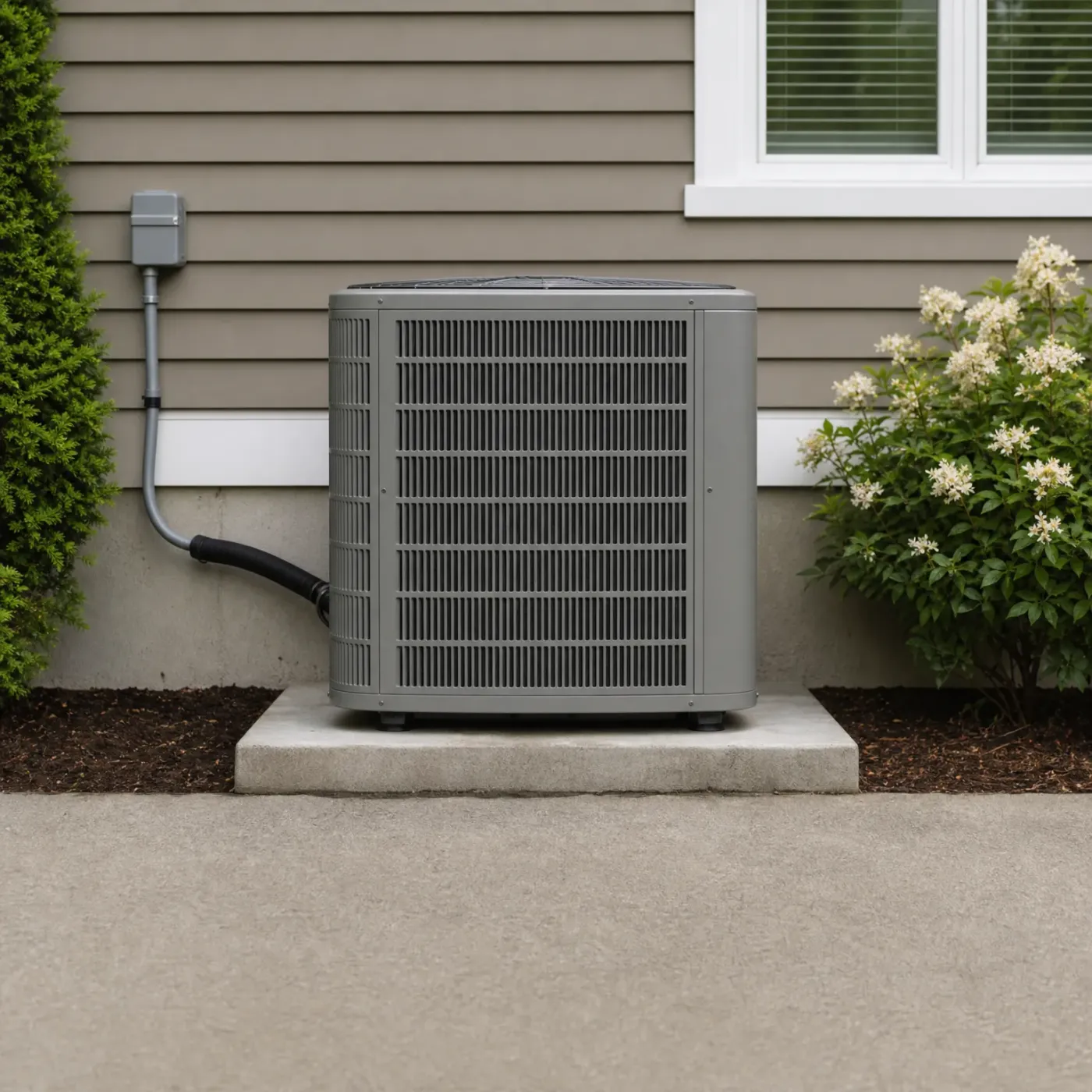
This is a heat pump covering the house on its own, conduit running clean from the disconnect to the unit. No ice on the coil, no strain on the compressor. On a day in the 40s or 50s this is all your house needs.
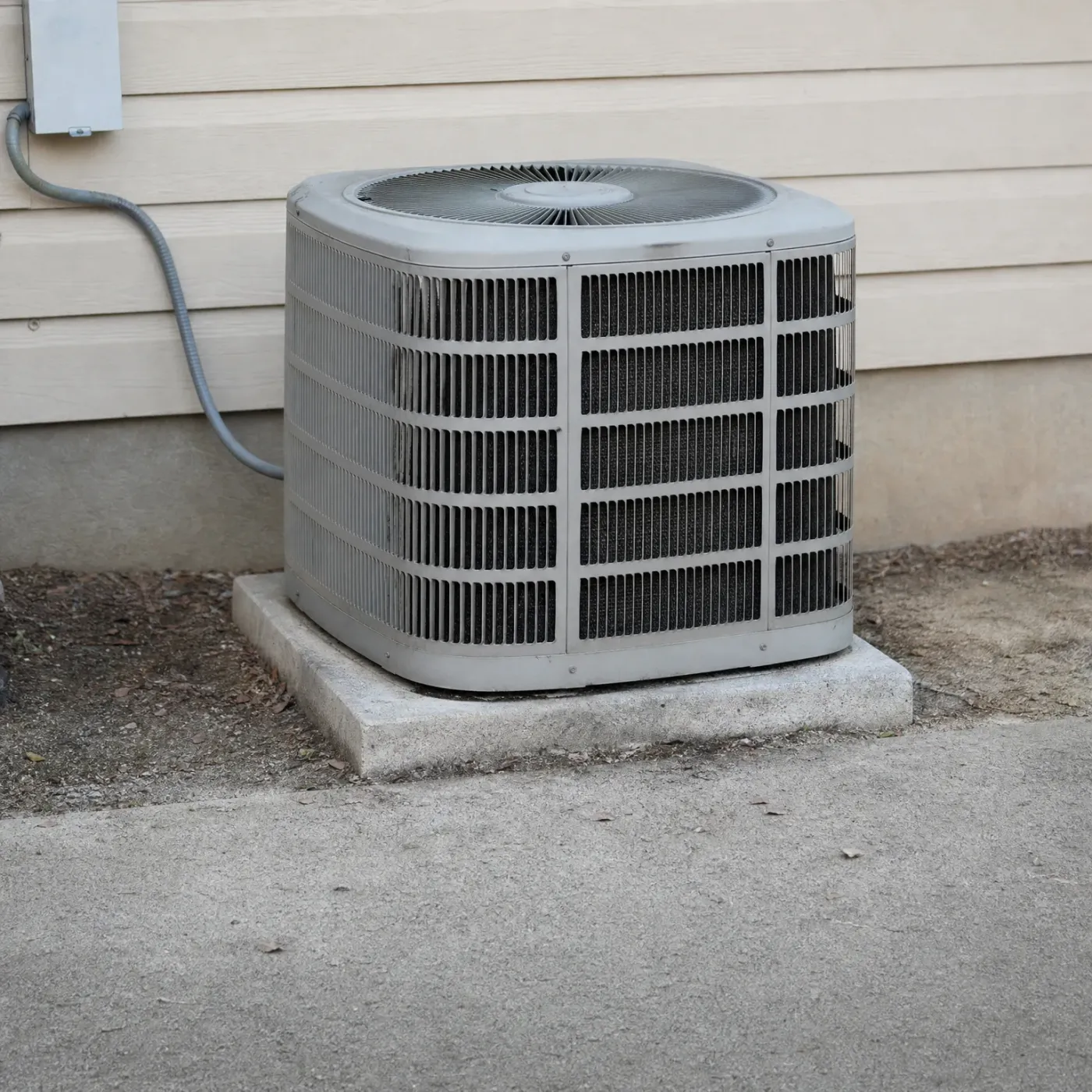
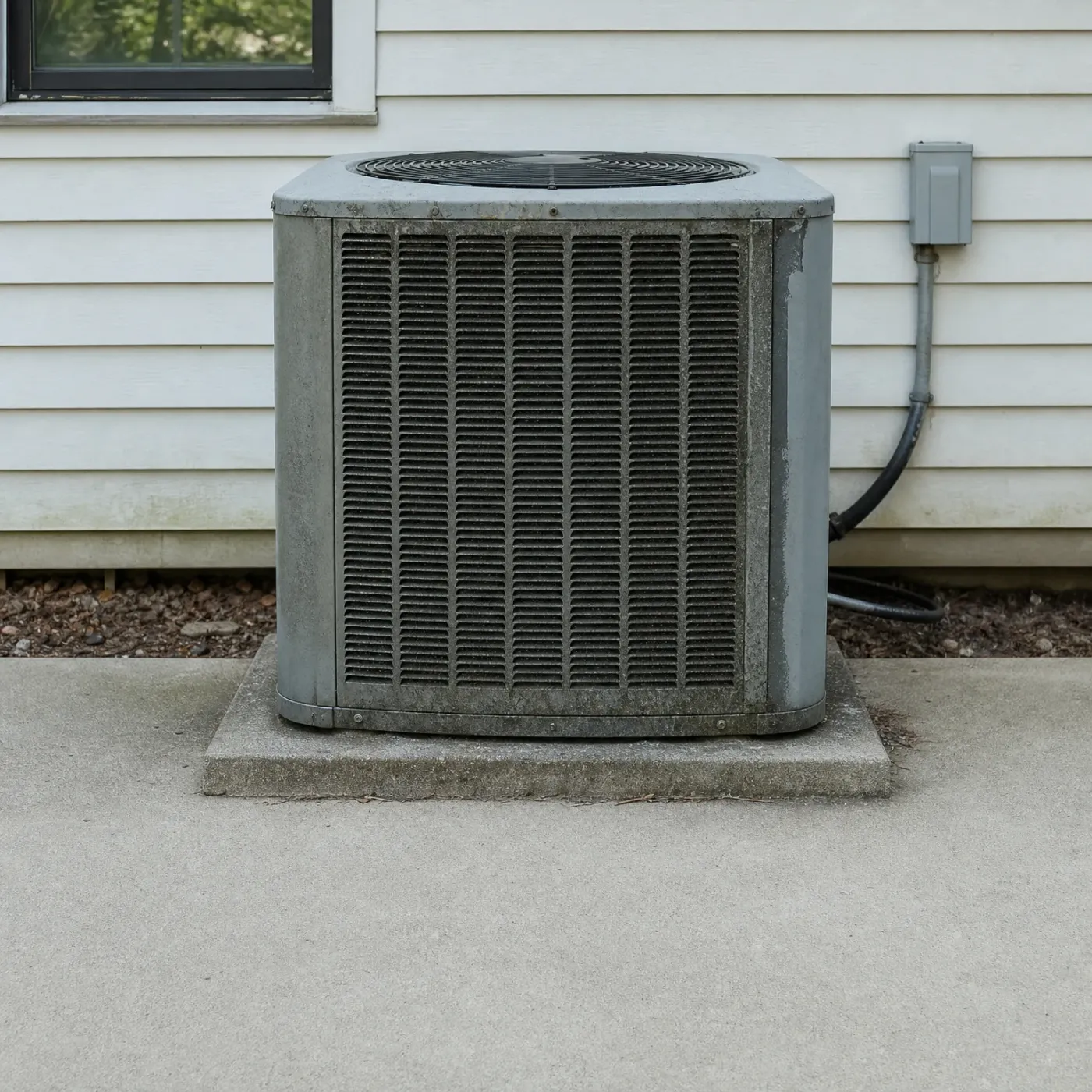
Same setup, but the temperature outside has dropped past what the unit can keep up with. The heat pump is still running, pulling what little heat it can from the air, and it isn't enough on its own anymore. This is when backup heat has to carry the load.
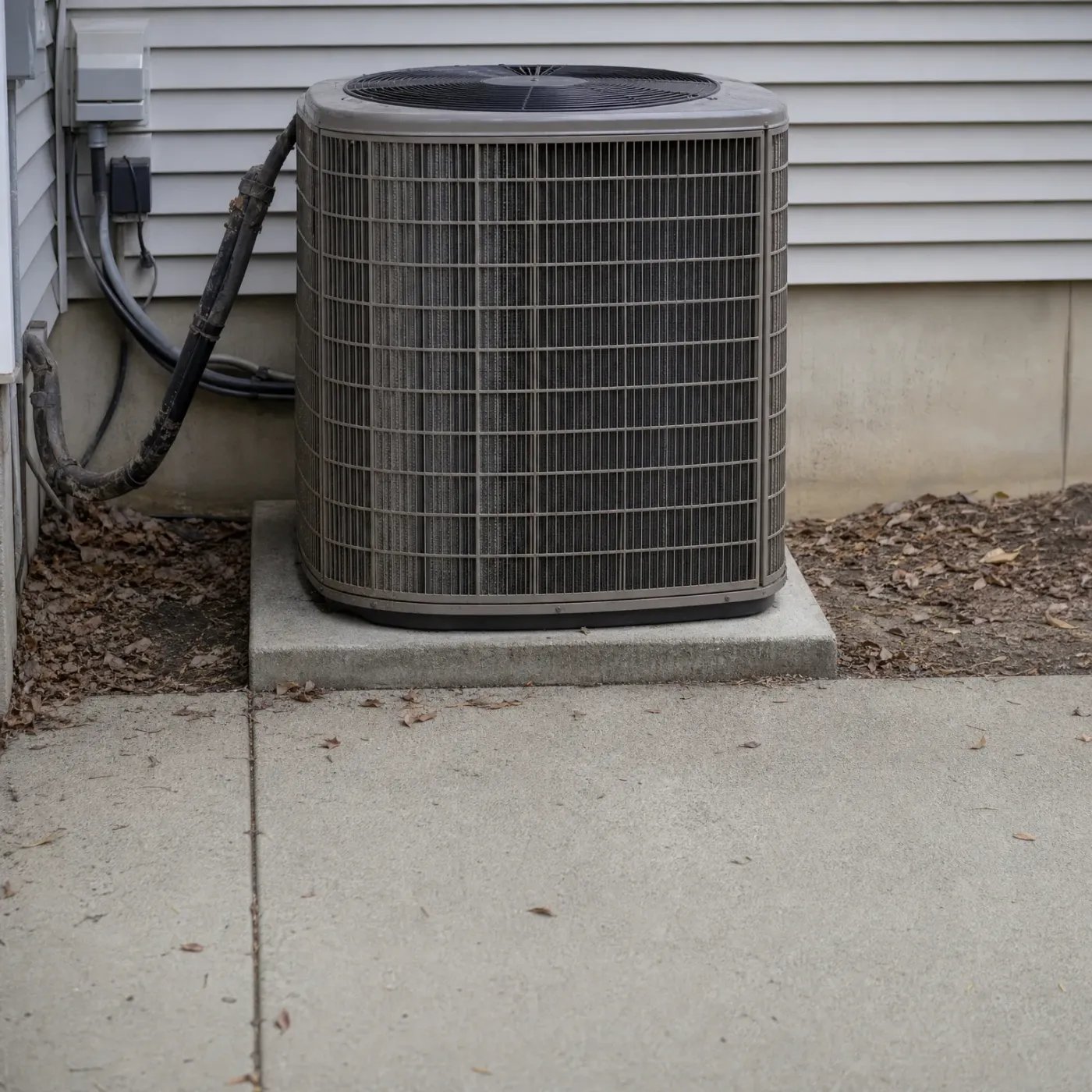
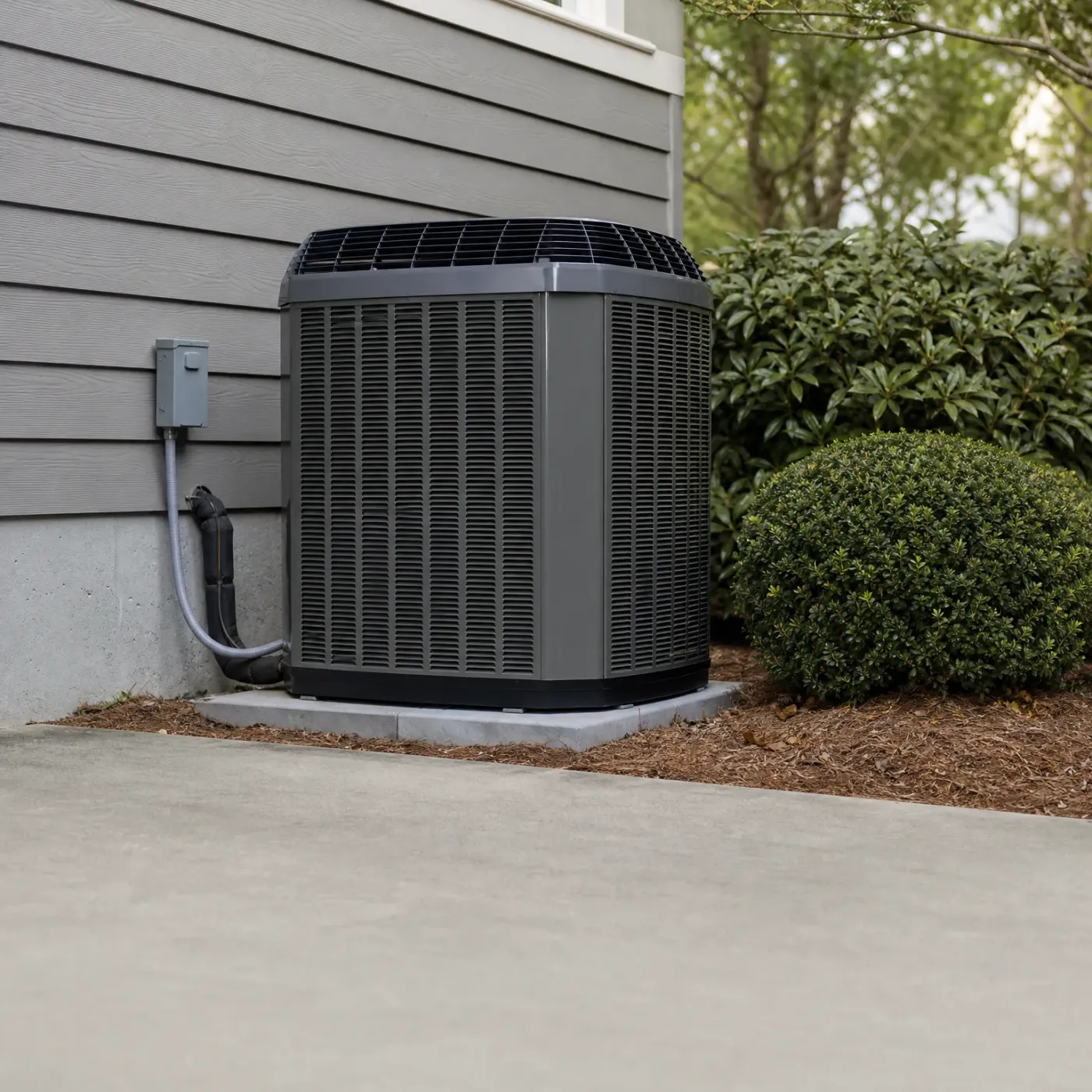
At 13.30 cents per kilowatt-hour, running electric resistance coils through a cold snap costs more than running a gas furnace for the same stretch. If your house already has a gas line, pairing the heat pump with a furnace instead of coils is the cheaper way to cover those hard nights.
EIA-861 2025 statewide residential average
Heat pump pulls warmth from outside air and sends it indoors
Outdoor temperature drops and the unit's heat output falls with it
Thermostat senses the house can't hold its set temperature
Backup heat, furnace or coils, switches on to cover the gap
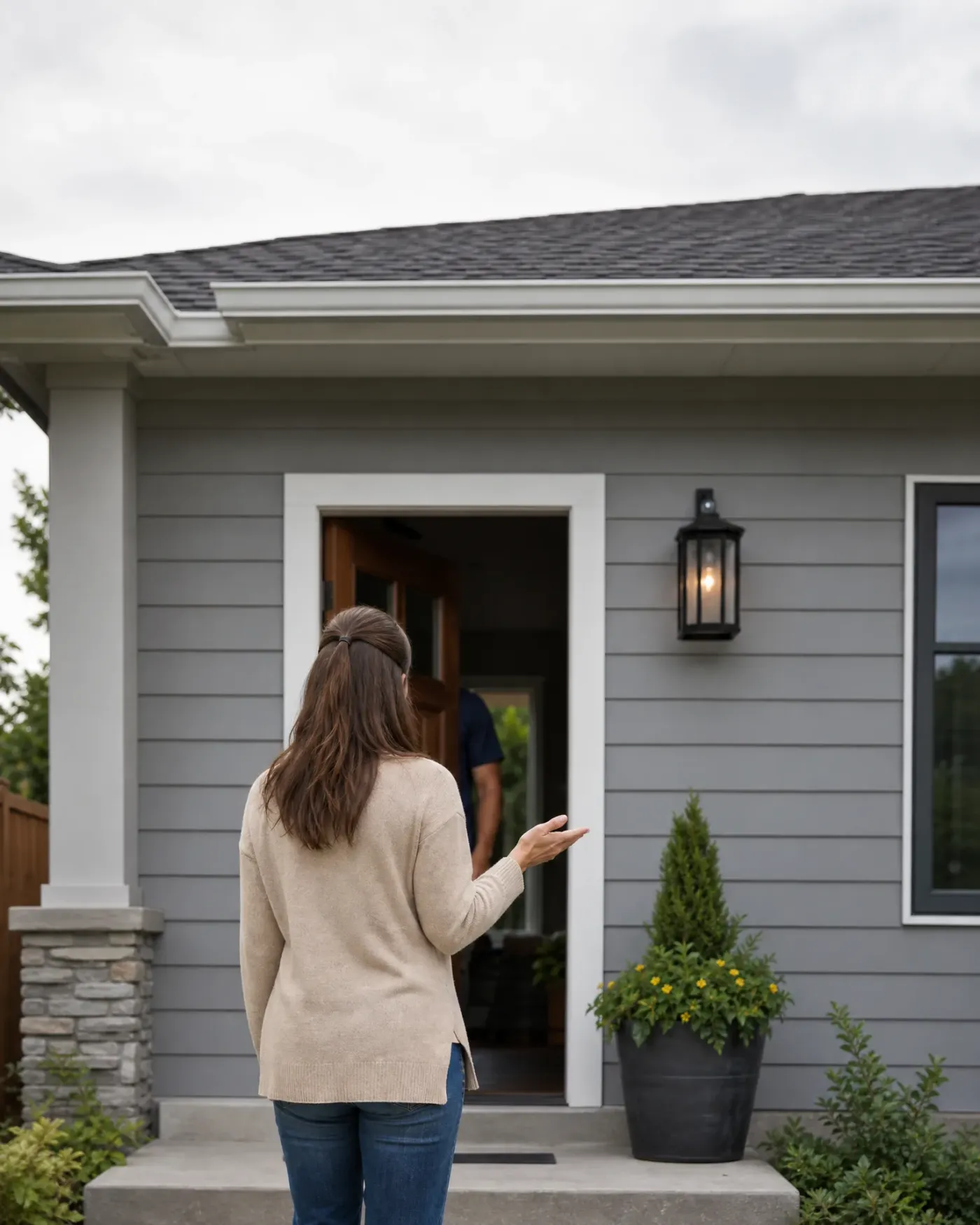
Most Missouri winters bring enough cold nights that a heat pump alone won't hold your house at temperature. Backup heat, a gas furnace or electric coils, covers the gap. Since most homes here already heat with gas, pairing the heat pump with a furnace is usually the way to go, and it costs less to run than coils through a cold snap.
What you still need to settle is how that backup should be sized and set up for your house. That depends on your ductwork, your existing furnace if you have one, and how your home holds heat, and it's not something to guess at. Getting matched with a contractor who installs heat pump systems in Missouri means you can describe your house once and get an answer suited to it, instead of calling around and explaining the same thing to every contractor in town.

The right pro for this job